
How smart swaps at the supermarket could save you big dollars


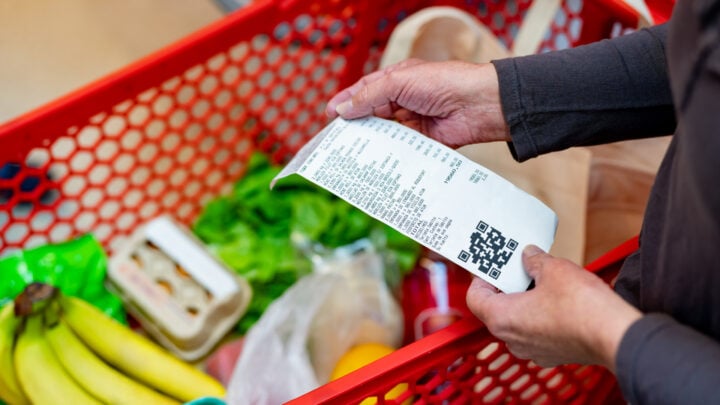
As cost-of-living pressures continue to bite, Aussie shoppers are searching for ways to stretch their dollar further at the supermarket. And it’s no wonder — Australians are forking out close to $200 on their weekly grocery shop, according to the latest research from Compare the Market.
But there’s good news: with a few simple swaps to cheaper alternatives, you could cut your weekly bill in half.
Compare the Market analysed 20 everyday household items across two major supermarkets to see just how much cheaper options could save shoppers.
The findings were striking: Australians could fork out around $164 for a trolley of brand-name items, but just $83 for a trolley of similar generic or home-brand items – a whopping 49 per cent difference
The analysis looked at pantry staples like bread, milk, eggs, and cheese, as well as household essentials such as washing powder, toilet paper, and multipurpose cleaners.
It’s clear that the weekly grocery shop remains Australia’s biggest household expense, with one in five Australians (21 per cent) naming groceries as their most worrisome bill. On average, Aussies are spending $198.16 each week, which adds up to $858.69 a month and an eye-watering $10,304.32 annually — an increase of 3.39 per cent, or $338 more a year.
However, Compare the Market’s Chris Ford says small changes at the grocery store could make all the difference.
“The proof is in the pudding! It pays to compare when shopping, as the savings can be significant,” Ford said. “
“We found that a shopper could stand to save up to $81 by ditching the big names with pretty packaging. If they did the same shop every week over a year, that’s an annual difference of $4,212.”
Savings were observed across all 20 items when switching from brand-name to home-brand products, with reductions ranging from as little as 30 cents to as much as $23 for laundry powder.
Some of the products with the biggest price differences included:
- Laundry powder 4kg – $23.00 difference
- Instant coffee 200g – $9.50 difference
- Body wash 1L – $7.20 difference
- Mouthwash 500mL – $6.00 difference
- Multipurpose cleaner spray 750mL – $5.00 difference
“Some of the biggest price gaps were in the bathroom aisle – things like mouthwash and bodywash – as well as cleaning products like washing powder and kitchen sprays,” Ford said.
For those looking to save more at the supermarket, Ford’s top tips are simple:
1. Plan before you shop.
Avoid impulse buying by doing your homework. See which stores are offering the best deals and remember to look beyond the major supermarkets. Spreading your shop across multiple retailers, including discount or department stores, may lead to greater savings, especially on items such as snacks, drinks, and household goods.
2. Don’t let brand loyalty cost you.
Sticking to the same brands or stores out of habit might be costing you more.
Switching brands or being open to different retailers could result in bigger savings, so always ensure you’re being rewarded if you are staying loyal to one store or brand.
3. Look beyond the sale signs.
A product marked “discounted” or “on sale” may not always be the best option.
Focus on the unit price to see what you’re truly paying. This helps you determine whether buying in bulk or opting for a smaller size offers better value.
4. Make the most of your loyalty programs.
Always scan your rewards cards and use your store apps to “boost” your offers.
Every point counts and many promotions are only available through the apps. Some programs also offer premium tiers that promise more discounts and faster point accumulation, but ensure these rewards outweigh the price you’re paying to be a member.
5. Check for hidden perks you’re entitled to.
Your energy retailer, insurance company or even mobile carrier might offer exclusive shopping discounts. Log in to your account to see if you have access to any shopping benefits you’re not already utilising.
With a little planning and a few smart swaps, you can keep your pantry stocked without letting your grocery bill drain your wallet.





 Proudly Australian owned and operated
Comments 0
Join the conversation. Comments are reviewed before they appear.
Be the first to comment.
Join the conversation
Tell us who you are to post a comment. We'll remember you next time.