
Consumers are growing tired of ‘checkout charity’


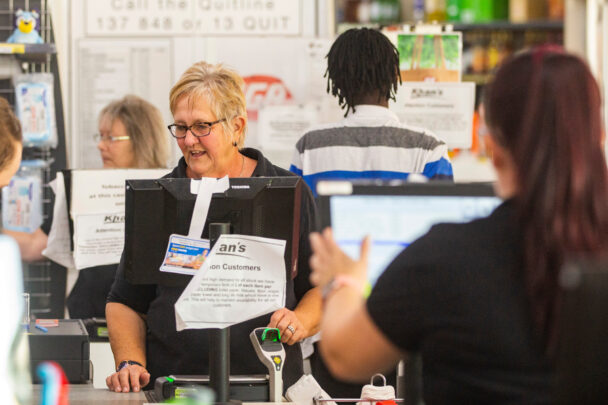
We’ve all experienced it and it’s becoming more frequent nowadays. You purchase something online or in-person at a store and at the checkout, you’re given an ‘opportunity’ to round-up your total or donate outright to a charity or a cause.
Worthy as these causes may all be, the feeling of pressure, guilt and potential regret is leading consumers to feel anxious about their decision in greater numbers, according to new market research from the University of Adelaide.
The practice, broadly speaking, is called ‘checkout charity’ and sees more and more stores asking either for an outright donation or for your total to be rounded up to the nearest dollar, with the difference being donated.
Overall, the strategy has worked well for decades, with large multinational corporations raising millions of dollars in some cases for worthwhile philanthropic endeavours around the world. In the United States, Dominos Pizza has raised US$126 million (AU$190 million) for St Jude Children’s Research Hospital.
Here at home, clothing retailer Cotton On last year generated more than $20 million for its own Cotton On Foundation, which funds education, mental health support and environmental causes for First Nations Australians and communities needing relief from natural disasters.
When prompted at the checkout, the study found participants feel pressured into donating or are left feeling regretful if they chose not to.
Led by University of Adelaide Professor of Marketing, Arvid Hoffmann, 329 participants were presented with a checkout scenario featuring a donation opportunity. In a survey, each was asked how they felt or thought about what was presented, how likely they may be to donate to the cause and whether it changed their view on the retailer overall or whether they would shop with them again in the future.
Results showed well-meaning charity requests can backfire, with some of the survey responses being:
“The grocery store has a lot more money than I do. Why am I the one expected to make a donation?”
“I feel like they are using the social construct of societal shame to coerce people into donating.”
“I generally don’t donate to them because I’m not sure exactly how the stores allocate the funds.”
Consumers who experienced negative feelings after being asked to donate said they were less willing to donate next time, less satisfied with their shopping experience and had a different view of the retailer.
Feelings of pressure were also evident at in-person checkout donation requests, with respondents saying the presence of customers in line behind them, especially those watching, made them feel not only rushed but also judged. This resulted in a lower likelihood they would feel good if they did choose to donate. Researchers called this the “warm glow” effect.
This discomfort also led participants to question the motives of the store, the real motives behind the request and whether the retailer was merely doing it in an effort to improve their image rather than genuinely help those in need.
Some respondents suggested companies were doing it to receive a tax break, however in many cases, donation amounts were less than one dollar, making them not tax deductible.
Professor Hoffman said checkout charity does not have to fail and can indeed be a positive way to make customers feel good about helping a worthwhile cause.
“Our findings suggest that stores should introduce information about the donation request early in the shopping journey using posters or flyers, so customers are not surprised at the checkout and feel less time pressure,” he said.
“Woolworths took this approach with its Easter appeal, flagging in advance that shoppers could donate at the checkout.”
Retailers can improve their process by designing payment screens that allow customers to choose privately, as is beginning to happen via self-service checkouts. Alternatively, the opportunity to donate can come earlier in the transaction. More information can also be provided about the benefiting charity or cause, with emotionally driven campaigns showing who is being helped, rather than presenting facts or figures, Professor Hoffman added.





 Proudly Australian owned and operated
Comments 0
Join the conversation. Comments are reviewed before they appear.
Be the first to comment.
Join the conversation
Tell us who you are to post a comment. We'll remember you next time.