
Magda Szubanski warns fans over AI-impersonation scam


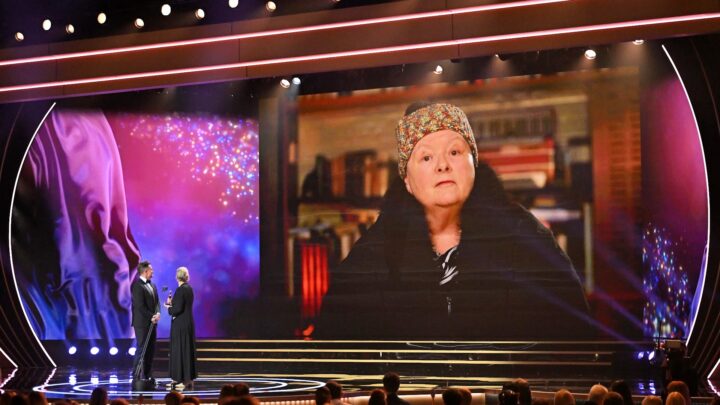
Australian comedy icon Magda Szubanski has taken to social media to warn fans about fake medical fundraising posts circulating online that use images not of her – but AI-generated visuals crafted to look like her in a hospital setting. In a post on Instagram, Szubanski made it crystal clear: “This lovely lady – whoever she is – is not me,” and urged people not to donate money to any fundraiser claiming to be on her behalf.
The actress, beloved for roles including Kath & Kim’s Sharon Strzelecki and recently inducted into the Logie Hall of Fame, is openly undergoing treatment for cancer – which makes this scam all the more cruel. The fake posts appeared on scammy social accounts and implied she was asking for financial support, tricking many well-wishers into believing the images were real.
But Szubanski’s warning isn’t just about one set of images. It shines a spotlight on a rapidly escalating issue: AI-generated content being used to deceive people, exploit emotions and, ultimately, steal money.
AI Makes Fakes More Convincing – and Dangerous
As artificial intelligence tools become more advanced and easier to use, scammers are leveraging them to create increasingly realistic fake images, videos and audio that are hard to distinguish from the real thing. Despite broad confidence among Australians that people can spot what’s fake, research shows that detection skills lag badly behind that confidence:
A study found that while 89 per cent of Australians believe they can identify AI-generated scams, only about 42 per cent were able to correctly distinguish real from AI-generated images under testing.
Older Australians aren’t immune – those over 65 performed only marginally worse than younger groups in spotting deepfakes, underscoring how sophisticated these fakes can be.
The implications go far beyond celebrity impersonation. AI-enhanced scams can include phishing emails, investment fraud, voice-cloning calls and romance scams, making them potentially costly and emotionally manipulative.
AI Scams and Older Australians: Why the Risk Is Higher
Australians aged 50 and over are encountering this threat regularly, and many feel ill-equipped to deal with it. The Australian Seniors Scams Report 2025 found:
About 25 per cent of people aged 50+ reported experiencing an AI-related scam, such as phishing emails or fake content.
22 per cent have lost money to scams, with losses ranging from small sums to tens of thousands of dollars.
About 38 per cent said they had encountered AI-generated content they initially believed was real, while 31 per cent weren’t sure – suggesting the true exposure might be even higher.
Nearly 9 in 10 older Australians feel left behind when it comes to understanding AI risks.
This vulnerability isn’t only about money – it’s about trust and digital confidence. A large proportion of seniors say it’s harder to trust information online than just a few years ago, and many still assume content is genuine without verifying it first.
Real-World AI Scams Hitting Australia
It’s not just celebrity scams. Major tech firms recently helped dismantle a global AI-enabled scam network that targeted Australians in property and financial transactions, with victims losing sums as high as $250,000 in individual cases. Overall, AI-powered scams were implicated in an estimated $260 million in losses in Australia during the first nine months of 2025.
Beyond finance, deepfakes are showing up in phishing scams, fake investment videos, and even impersonations of professionals meant to fool unsuspecting victims – illustrating how credible this technology can be.
How to Spot an AI Fake (And Protect Yourself)
As AI deception becomes more commonplace online, knowing how to recognise a fake is essential – especially for older Australians and those supporting them.
1. Check the source
Is the account verified? Does the fundraiser link to a recognised charity rather than a personal request? If it’s only appearing on obscure social pages, treat it with suspicion.
2. Look for inconsistencies in visuals
AI fakes often have subtle quirks – mismatched lighting, odd artefacts around edges, or unnatural facial features.
3. Watch for emotional pressure
Scammers rely on urgency: “Donate now – limited time!” If a message urges immediate action, pause and verify through trusted channels.
4. Use reverse image search tools
Search engines and tools like TinEye can help trace whether a photo appeared elsewhere before – a common sign of fake content.
5. Confirm through official channels
If someone claims to be a loved one or public figure asking for money, check their verified social accounts or contact the person directly.
6. Discuss with someone you trust
A second opinion from family or friends can help spot red flags you might miss.
Staying Vigilant in a World of AI
Magda Szubanski’s warning is a timely reminder that seeing is no longer believing online. As AI technology continues to evolve, so will the scams that exploit it. Being aware, cautious and ready to question what you see – especially when money is involved – is more important than ever.
For older Australians who might not have grown up with this technology, building confidence and skills around digital literacy isn’t just smart – it’s essential for safety in a world where AI can make the fake look frighteningly real.
If you encounter a suspicious post or scam, report it to ScamWatch and talk to loved ones about it – together, we can stay one step ahead of the latest tricks.





 Proudly Australian owned and operated
Comments 0
Join the conversation. Comments are reviewed before they appear.
Be the first to comment.
Join the conversation
Tell us who you are to post a comment. We'll remember you next time.