
From snug to comfy: 8 easy ways to make your shoes fit perfectly


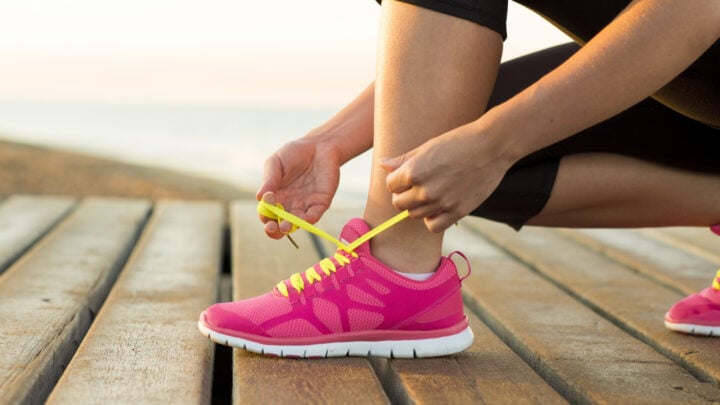
There’s nothing worse than falling in love with a pair of shoes, only to have them pinch, rub or feel just a little too snug the moment you get them home. The good news: a shoe that’s slightly too tight isn’t necessarily a lost cause. With a few simple tricks – and the right tools – you can often stretch, soften and reshape shoes to fit your feet properly, rather than the other way around.
Here are eight easy ways to get from snug to comfy.
1. The freezer bag trick
Fill two sealable freezer bags with water, place one inside each shoe in the tight spot (usually the toe box), and pop the shoes in the freezer overnight. As the water freezes, it expands and gently stretches the material. Let the shoes thaw for about 20–30 minutes before removing the bags. This works particularly well on leather and synthetic materials, though it’s best avoided on delicate fabrics.
2. The hairdryer and thick socks method
Pop on a thick pair of socks, put the tight shoes on over them, and use a hairdryer on a medium heat setting to warm the tight areas for around 30 seconds at a time. Flex and wiggle your toes as you go. The heat softens the material just enough to let it stretch slightly to accommodate the extra bulk of the socks. Avoid this method on very delicate or synthetic materials that could be damaged by heat.
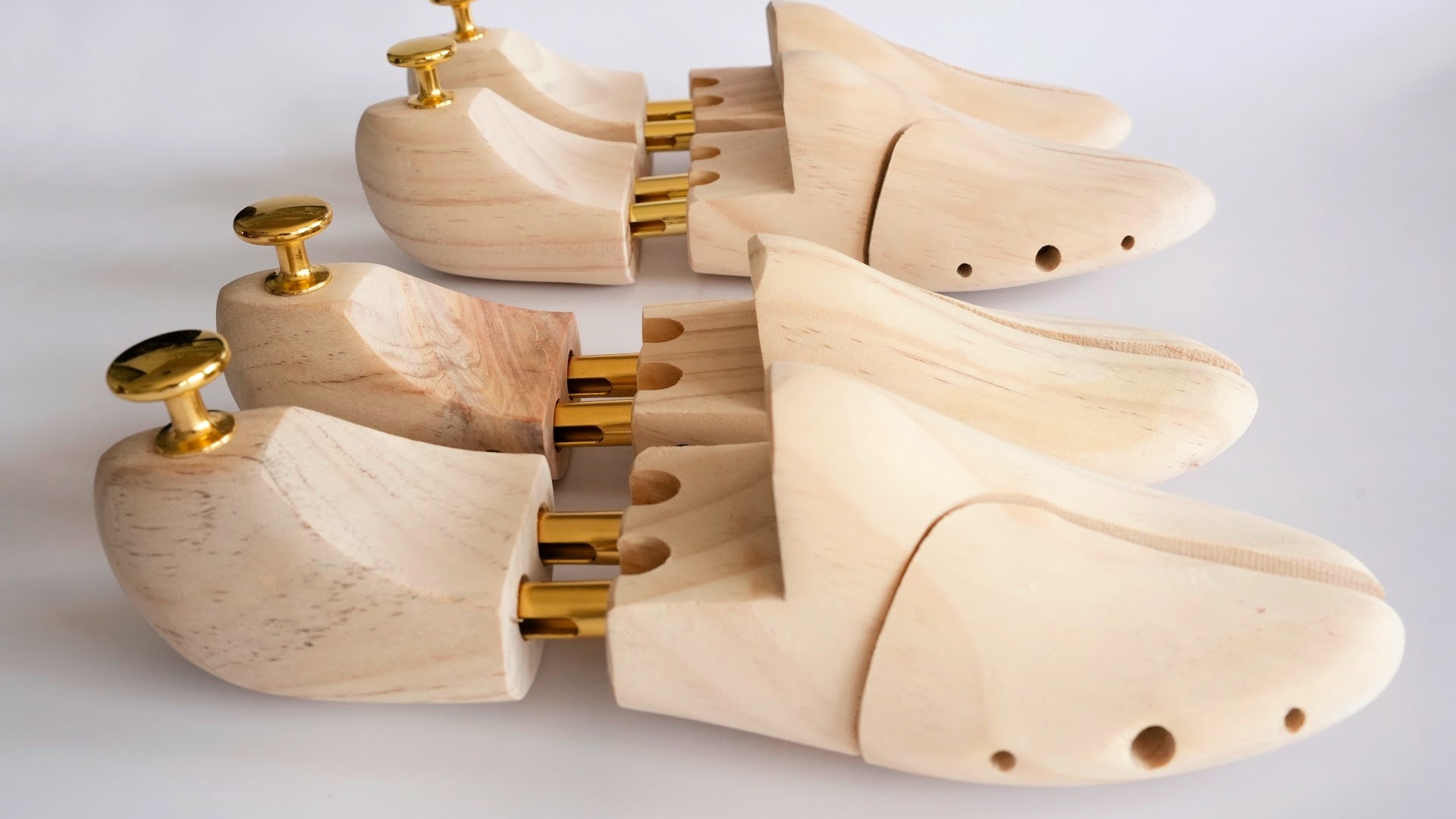
3. A proper shoe stretcher (wooden or adjustable)
If you want a more controlled, repeatable result, an adjustable shoe stretcher is one of the best investments you can make. These wooden or plastic devices are inserted into the shoe and gradually widened using a turn-screw, stretching the shoe evenly overnight. Many also come with optional plug-ins to target specific trouble spots, like a bunion or a particularly tight big toe area. They’re widely available at shoe repair shops, department stores and online for a reasonably modest cost, and are reusable for future pairs.
4. Leather stretching sprays
For leather and suede shoes, a leather stretching spray (available from shoe stores and supermarkets) can soften the fibres enough to allow a gentle stretch. Spray the inside of the tight area, then wear the shoes around the house with thick socks for 20–30 minutes while the leather is still pliable. This is a gentler alternative to heat and works well in combination with a shoe stretcher for stubborn spots.
5. Rubbing alcohol solution
Mix equal parts rubbing alcohol and water in a spray bottle, spritz the tight areas from the inside, and wear the shoes for 15–20 minutes while the mixture is still damp. Like the hairdryer method, this softens the material temporarily so it moulds slightly to your foot shape. Test on a small, hidden area first to make sure it won’t affect the colour or finish.
6. Toe protectors, cushions and heel grips
Sometimes a shoe doesn’t need to be stretched at all – it just needs a little extra padding in the right place to stop rubbing. Gel toe protectors, ball-of-foot cushions and heel grips are inexpensive and can transform how a shoe feels, particularly if the issue is a specific pressure point rather than an overall tight fit.
7. Let a professional do it
If a DIY method doesn’t quite do the trick – or if you’ve invested in a good pair of leather shoes or boots you’d rather not risk damaging – most shoe repair shops and cobblers offer a professional stretching service. They use specialised stretching machines that can widen a shoe more precisely and safely than a home method, and can target specific areas like a bunion, without affecting the overall shape or structure of the shoe.
8. Choose adjustable styles from the outset
If you regularly find yourself needing to stretch new shoes, it may be worth prioritising styles with laces, straps or Velcro closures over slip-ons – they allow you to fine-tune the fit around swelling or changes in width throughout the day, rather than being locked into a single fixed shape.
A word of caution: when tightness is about more than sizing
It’s worth remembering that as we get older, our feet can genuinely change shape – arches can flatten, fat padding can thin, and conditions like bunions, hammertoes or mild swelling become more common. Podiatrists commonly recommend trying on shoes later in the day, when feet have naturally swelled slightly, to get the truest sense of fit, and choosing a wider toe box if you find yourself consistently needing to stretch shoes across multiple pairs.
If you’re finding that shoes feel increasingly tight, uncomfortable, or specifically painful over a bony area at the base of your big toe, it’s worth a visit to a podiatrist rather than relying on stretching tricks alone. Persistent tightness, redness or swelling can be a sign of a bunion or other foot condition that’s better managed with proper footwear and, if needed, orthotics – rather than simply forcing an ill-fitting shoe to work.
The bottom line
A snug pair of shoes doesn’t have to mean an uncomfortable one. Whether you reach for a bag of ice, a hairdryer, or a proper shoe stretcher, there are plenty of simple ways to get a better fit from what you already own — and knowing when it’s time to call in a professional (or your podiatrist) can save you both money and sore feet in the long run.





 Proudly Australian owned and operated
Comments 3
Join the conversation. Comments are reviewed before they appear.
If your feet are painful becsuse of tight shoes it sure shows on your face ad its harder to keep smiling! and youʼre much more likely to be grimacing from the pain anebthe next thing youʼve got a flaming head ache and frown lines! Velcro is the answervto keep a happy face!!!
I find it is not the width of the toe box, but the height. I find a lot of shoes' toe boxes have a low height, which rubs on the top of the big toe toenail. It makes it hard to find shoes that don't rub.
I try to avoid buying shoes that are too tight- instead, once I find a brand that's comfy, i will keep returning to them so i know i will always be happy with my purchase. Also, never be shy to return shoes that are uncomfortable- life's too short for sore feet!
Join the conversation
Tell us who you are to post a comment. We'll remember you next time.