
The best dressed women in Australia aren’t trying to look younger


I want to tell you about something I noticed at a restaurant in Sydney last month. A woman walked in – I would guess somewhere in her mid-sixties – wearing wide-leg burgundy trousers, a cream silk blouse and a jacket that had clearly been with her for years and was considerably better for it. She moved through the room with the particular ease that has nothing to do with age and everything to do with knowing exactly who you are. Every person in the restaurant, without any apparent awareness of doing so, watched her cross the floor.
She was not dressed to look younger. She was dressed to look like herself. And it was one of the most compelling sartorial moments I can remember.
This is the fashion secret that nobody is selling you – possibly because there is nothing to sell. The women who consistently look most extraordinary in their 60s are the ones who have quietly stopped caring about looking any age at all.
The paradox of trying to look younger
Here is the uncomfortable truth that the fashion industry is built to obscure: when people try to dress in styles that would be more appropriate for someone much younger, they paradoxically make themselves look much older. It is a finding from what was one of America’s most watched makeover programs, but it holds up in real life with almost unsettling consistency.
You have seen it. The woman whose clothing choices read as a performance of youthfulness – the too-short hemline, the trend adopted straight from the Instagram algorithm, the general sense that she is dressing in apologetic quotation marks, as if to say I know this is for someone younger but please let me in. The effect, invariably, is the opposite of what was intended. It reads not as youth but as anxiety. And anxiety is genuinely ageing.
Ari Seth Cohen, the photographer behind Advanced Style – a global project dedicated to documenting the extraordinary personal style of women over 60 – has observed this dynamic for years. “Most importantly, the women I photograph dress for themselves more than anything else,” he says. “Showing these stylish women living vibrant lives focuses on the freedom and creativity of ageing that’s not shown in the media or popular culture. There’s a confidence and power in that – their style is a form of rebellion.”
A form of rebellion. That framing matters. Because what these women are rebelling against is not age itself but the cultural instruction to dress defensively – to apologise for your body, to minimise your presence, to make yourself smaller and quieter and less vivid as the decades accumulate.
What Australia’s best dressed women over 60 actually do
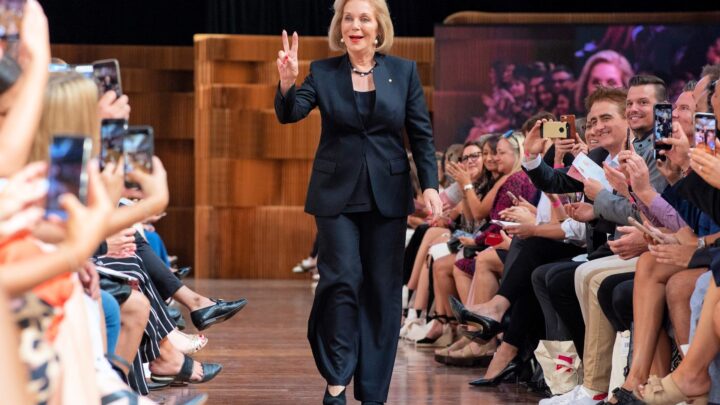
Ita Buttrose — founder of Cleo magazine, former editor of the Australian Women’s Weekly and chair of the ABC — is as close to a definitive Australian style icon as the country has produced. Her approach is instructive not for its glamour but for its clarity. Her wardrobe is built on five essentials – a black skirt, black top, black pants, black dress and black blazer – to which she adds colour through scarves and jewellery. It is a system so precisely calibrated to her specific life and aesthetic that it has required no revision in decades. It does not need to follow trends because it has never been built on them.
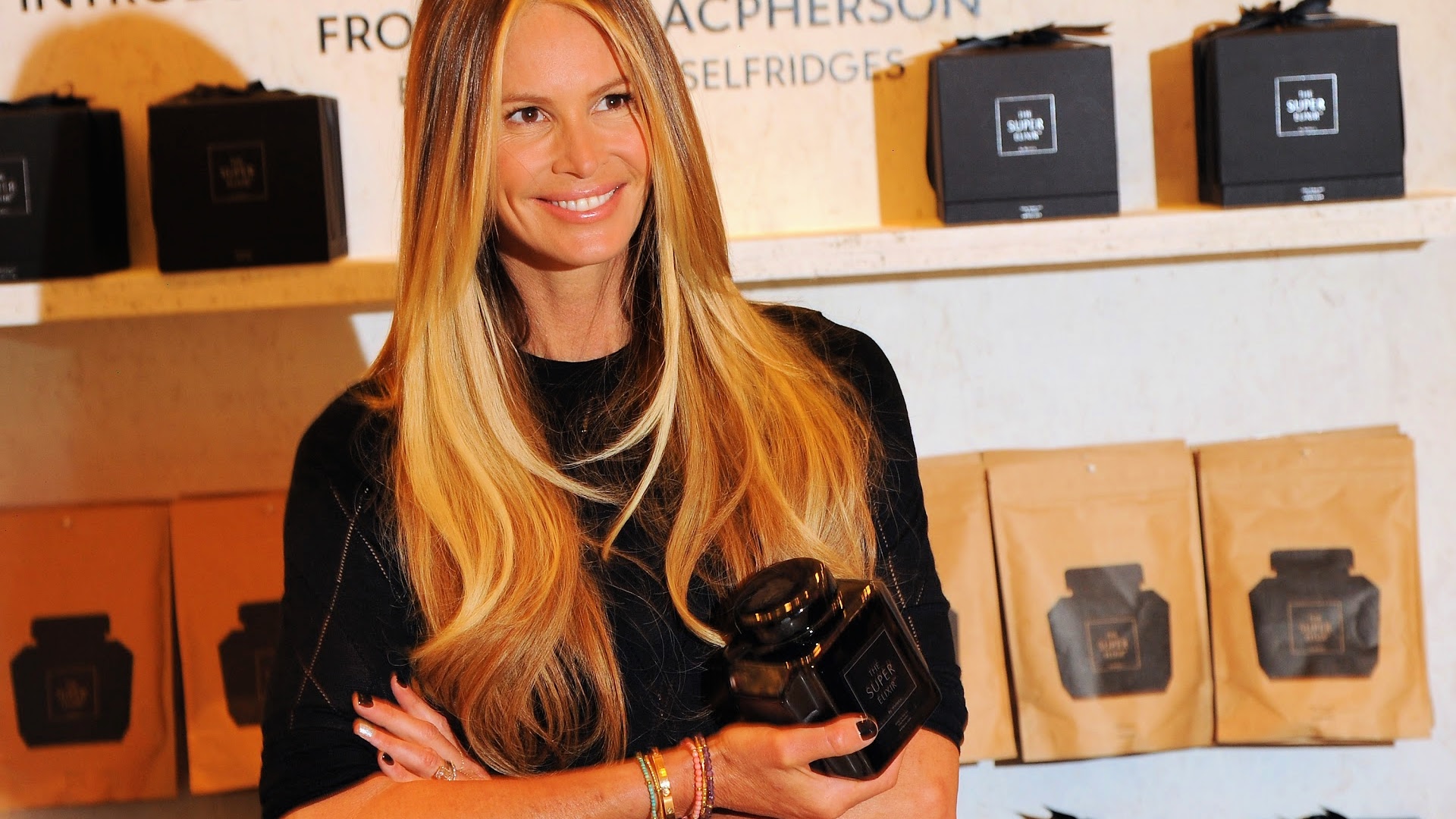
Elle Macpherson has maintained a similar philosophy across a career that has made her one of the most watched women in the world – sticking to coordinated neutral tones contrasted by statement gold pieces, maintaining a sophisticated consistency that has never wavered. There is no guessing in what she wears. There is only knowing.
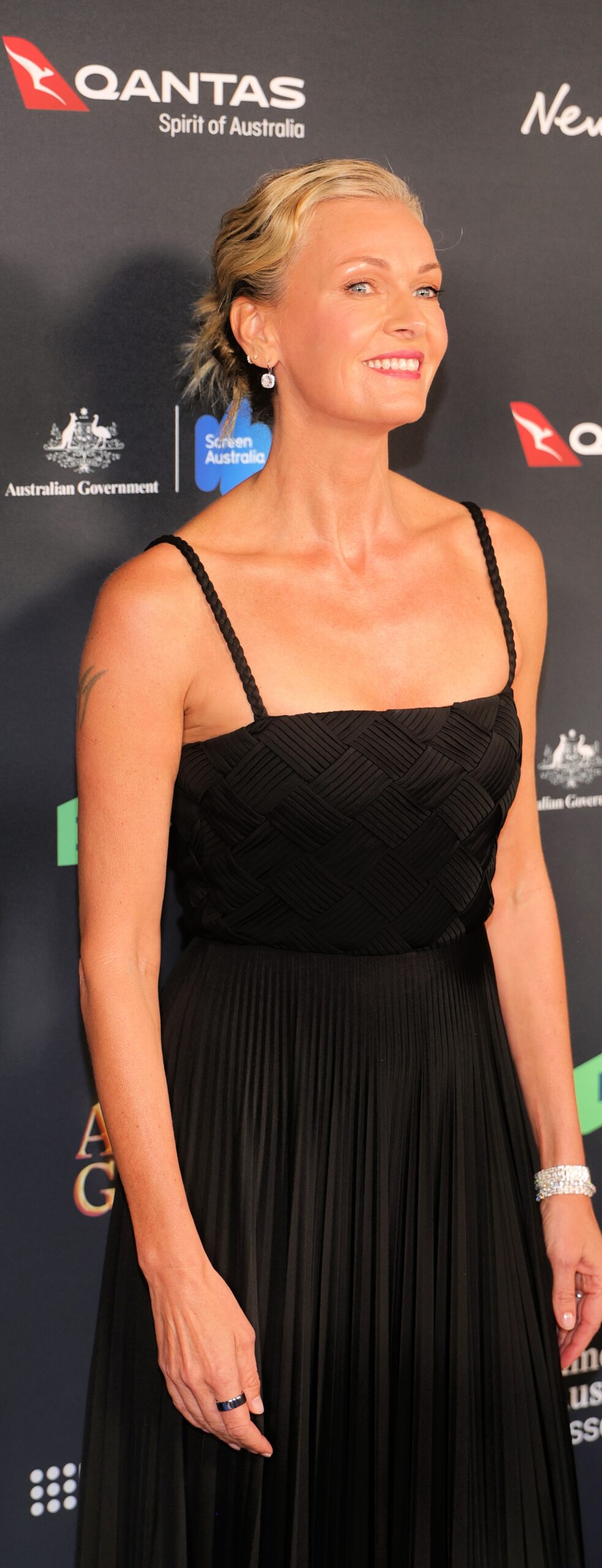
Deborah Hutton, Sarah Murdoch, Lisa Wilkinson – the Australian women who consistently appear on any credible best-dressed list share this quality. They are not chasing approval. They are not performing youth. They are wearing clothes that have emerged from a deep and genuine understanding of their own tastes, their own bodies and their own lives.
“Perhaps the most important rule of all,” writes one observer of enduring style: “elegant women dress for themselves, not for approval. They’re not chasing compliments or trying to look like someone else. They know what feels good and aligns with who they are. This is the confidence that comes with experience.”
The permission you are waiting for is not coming
“Here is what nobody tells you,” writes one woman who went through exactly this shift. “The permission you’re waiting for to dress how you want? It’s not coming. There’s no committee that meets when you turn sixty to hand you a certificate saying you can finally wear what makes you happy. People assume that dressing boldly after sixty requires confidence. They’ve got it backward. The confidence comes from finally dressing as yourself. It’s the relief of dropping a performance you didn’t realise you were giving.”
That is the shift. And it is not a small one.
Most women spend the first four or five decades of adult life dressing for a complicated audience – for workplaces that reward certain aesthetics, for social environments with unspoken rules, for partners and children and communities whose approval feels like it matters, for a version of themselves they are still becoming. The clothing can feel like costume more than expression.
A stylist and podcast host named Karen Arthur put it plainly: “I get more compliments on my style as a woman in my 60s than I did in my 20s or 30s.” Not because she is dressed more conventionally. Because something authentic shows through when you stop performing.
What this actually looks like in practice
It is not about abandoning colour or pattern or interest. It is not about retreating into safe, invisible neutrals. Some of the most extraordinary dressers over 60 are the boldest – the ones who have discovered that the rules they were following were never theirs to begin with.
The idea of “age-appropriate dressing” has faded, and the boundaries that once defined our style no longer exist. That means it is time to dress for your energy, not your age. Nobody knows your exact age, so there is no reason to limit yourself based on it. Focus instead on creating outfits that reflect your mood and energy levels.
Women over 60 are often more fashionable than they were when younger, because they have better self-confidence and a stronger sense of self – they know how to dress to show who they are.
What it looks like in practice is: asking yourself not “is this age-appropriate?” but “is this me?” Buying fewer things and wearing them more. Investing in fit rather than label. Discovering – or rediscovering – the colour that makes your face come alive. Wearing the thing that makes you feel like yourself even if you cannot quite explain why.
“The goal isn’t to look younger. It’s to look like the best version of yourself today. That authenticity reads as sophisticated.”
The thing nobody tells you about getting dressed after 60
The woman I watched cross that restaurant floor was not thinking about her age. She was not cataloguing her body’s changes or running a mental checklist of what she was supposed to cover up or play down. She was simply wearing clothes that were, unambiguously, hers.
That is available to every one of us. It does not require a personal stylist or a significant wardrobe budget or a particular body shape. It requires, as it turns out, the courage to stop dressing for an audience that was never paying as much attention as you thought — and start dressing for the one person whose opinion has always mattered most.
You have spent sixty-odd years becoming who you are. You might as well dress like it.





 Proudly Australian owned and operated
Comments 0
Join the conversation. Comments are reviewed before they appear.
Be the first to comment.
Join the conversation
Tell us who you are to post a comment. We'll remember you next time.