
Got a Garden? New Research Says It Could Be Lowering Your Diabetes Risk


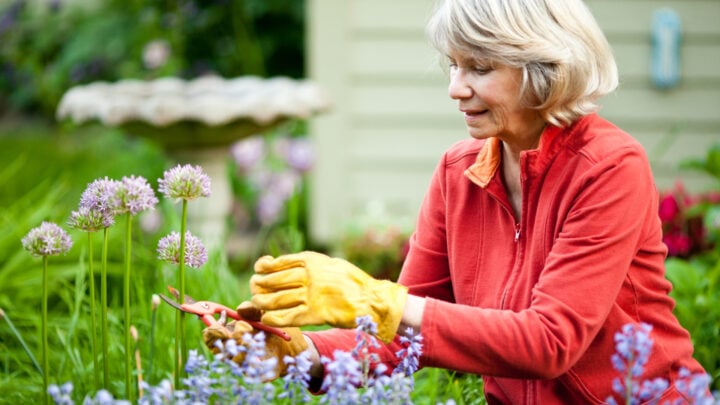
If you’ve ever needed a fresh excuse to get out into the garden this weekend, here’s a genuinely good one: new research from the University of Queensland has found that people with a home garden have a measurably lower risk of developing type 2 diabetes.
The UQ-led study found people with a substantial garden had a 6.8 per cent lower risk of developing type 2 diabetes compared with those who didn’t have one. Living near multiple parks made a difference too, with people 5.7 per cent less likely to develop the condition if they had several parks nearby.
What the researchers found
Lead author Dr Chinonso Odebeatu, from UQ’s School of Public Health, said the findings add fresh weight to the case for greenspace being treated as a genuine public health priority, not just a planning nicety.
“Current housing challenges means there are more high-density residential dwellings under development, and this research shows public health considerations need to be prioritised when planning greenspaces,” Dr Odebeatu said.
She said the findings showed a garden was about more than appearances. “The evidence shows having a garden is more than just aesthetics, because people’s health will be impacted if green space isn’t factored into residential developments.”
The study analysed data from more than 19,000 UK Biobank participants living with type 2 diabetes, assessing how much greenspace – including private gardens and parks within an 800-metre radius – was available at each person’s home address.
Why gardens might make such a difference
Associate Professor Nicholas Osborne said there were several plausible explanations for the link between gardens and lower diabetes risk. Beyond the physical activity gardening naturally involves, simply spending time outdoors helps boost vitamin D levels and delivers genuine mental health benefits through what researchers call the “restorative” effects of green space.
“Being outdoors also exposes people to a range of microbes that improve gut health and boost the immune system,” Dr Osborne said.
The stakes are significant on a global scale. Dr Osborne noted more than 500 million people worldwide currently live with diabetes, a figure projected to nearly double to 1.31 billion by 2050.
“The findings from this study show how public health needs to be considered in urban planning because the decisions we make today will impact our future health,” he said.
The research, published in BMC Public Health, was conducted in collaboration with Boston’s Channing Division of Network Medicine, the Dana-Farber Cancer Institute, and Portland State University.
Why this matters for Australian gardeners
For the many older Australians who already count gardening among their favourite pastimes, this research offers a genuine, evidence-based reason to keep at it – or to start, if you’ve been on the fence. It’s also a timely reminder for anyone downsizing into an apartment or townhouse to weigh up access to a balcony, courtyard or nearby park as more than just a lifestyle preference.
What to Do in the Garden This August
With spring just around the corner, August is a genuinely productive month in the garden – the perfect excuse to put this new research into practice. Here’s what to focus on, wherever you are in Australia.
Get planting. August is prime time for winter vegetables and herbs. Try beetroot, broad beans, carrot, kale, leek, lettuce, onions, parsnip, peas, radish, rocket, silverbeet and spinach, along with herbs like basil, chives, coriander, oregano, parsley, mint and thyme. In warmer, frost-free areas, you can also start tomato, capsicum, chilli and eggplant seeds indoors or under cover, ready for spring.
Finish your bare-root planting. This is the last real window for bare-rooted fruit trees, roses and deciduous plants before they begin shooting. If you’ve been meaning to add a new fruit tree or rose bush, get it in the ground now.
Prune and tidy. Finish pruning roses by mid-August, cut back passionfruit vines by around a third to encourage strong spring growth, and remove any spent or diseased flowers from azaleas and camellias after flowering finishes.
Feed and mulch. Top up mulch across vegetable patches, herb gardens and ornamental beds, and give tired winter soil a boost with a slow-release fertiliser or pelletised manure to wake plants up ahead of spring.
Watch for pests. Aphids often target the soft new growth on roses this time of year — a firm squirt with the hose is often all that’s needed, or encourage ladybirds into the garden as a natural, ongoing solution.
Look after your tools. On the cold, wet days that keep you indoors, take the opportunity to clean, sharpen and oil your garden tools. It’s a small job that saves both money and plant health in the long run.





 Proudly Australian owned and operated
Comments 0
Join the conversation. Comments are reviewed before they appear.
Be the first to comment.
Join the conversation
Tell us who you are to post a comment. We'll remember you next time.