
The healthiest ways to eat eggs after 60 – according to nutrition experts


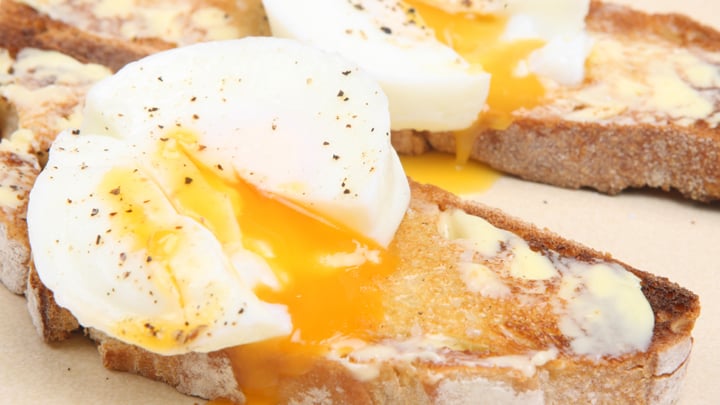
Eggs have had quite the reputation rollercoaster over the years.
One decade they were considered a cholesterol disaster. The next, they were hailed as the perfect protein-packed superfood. Thankfully, modern nutrition advice has become far less dramatic – and for most Australians, eggs are firmly back on the menu.
In fact, they may be one of the best foods you can eat as you get older.
Affordable, versatile and packed with nutrients, eggs contain high-quality protein, vitamin D, B vitamins, selenium and choline – an important nutrient linked to brain health and memory. They’re also one of the easiest ways for older Australians to maintain muscle mass, which naturally declines with age.
But while eggs themselves are nutritious, the way we cook and serve them can make a big difference.
Because let’s be honest – there’s a world of difference between poached eggs on grainy toast and a greasy full breakfast swimming in butter and bacon fat.
So what’s the healthiest way to eat eggs after 60?
Keep cooking methods simple
Nutritionists generally agree the healthiest egg preparations are those that use little added fat while preserving nutrients.
That means:
Poached eggs
Boiled eggs
Scrambled eggs with minimal butter or cream
Omelettes loaded with vegetables
Baked eggs
Deep frying eggs in lots of oil or pairing them regularly with processed meats like bacon and sausages can quickly turn a healthy breakfast into something much heavier in saturated fat and sodium.
Don’t fear the yolk
For years many people skipped egg yolks because of cholesterol concerns.
But current evidence suggests eggs can still fit comfortably into a healthy diet for most people. In fact, the yolk contains many of the egg’s most valuable nutrients, including vitamin D, healthy fats and choline.
Unless your doctor has specifically advised otherwise, there’s usually no need to eat egg whites only.
Pair eggs with fibre and vegetables
One of the healthiest things you can do is look at what goes alongside the eggs.
Instead of white toast or hash browns, try:
wholegrain bread
spinach
tomatoes
avocado
mushrooms
beans
roasted vegetables
This adds fibre, vitamins and longer-lasting fullness — all important for healthy ageing.
Watch the hidden extras
Eggs themselves are nutritious. It’s often the extras that cause problems.
Large amounts of:
butter
cream
cheese
bacon
processed meats
salt-heavy sauces
can push meals higher in calories, sodium and saturated fat.
That doesn’t mean you can never enjoy them – because honestly, life without the occasional bacon-and-egg breakfast would be rather grim – but balance matters.
Are eggs good for brain health?
Emerging research suggests eggs may support healthy ageing thanks to nutrients like choline and lutein, both linked to cognitive and eye health.
Protein is also increasingly important as we age, helping maintain muscle strength, balance and mobility.
For many older Australians who struggle to eat enough protein, eggs are one of the easiest and most affordable options available.
Three healthy egg recipes to try
1. Spinach and tomato breakfast omelette
A quick, protein-rich breakfast that feels far fancier than the effort involved.
Ingredients
2 eggs
Handful baby spinach
1 small tomato, diced
1 tablespoon reduced-fat feta
Olive oil spray
Pepper
Method
Whisk eggs in a bowl.
Lightly spray a non-stick pan with olive oil.
Add spinach and tomato and cook for 2 minutes.
Pour in eggs and cook gently until almost set.
Sprinkle over feta and fold omelette in half.
Serve with wholegrain toast.
2. Poached eggs with smashed avocado
Simple, filling and packed with healthy fats and fibre.
Ingredients
2 eggs
1 slice wholegrain sourdough
Half an avocado
Lemon juice
Cherry tomatoes
Cracked pepper
Method
Toast sourdough.
Mash avocado with a squeeze of lemon juice.
Poach eggs in gently simmering water for 3–4 minutes.
Spread avocado on toast and top with eggs.
Add tomatoes and cracked pepper to serve.
3. Baked veggie egg cups
Perfect for make-ahead breakfasts or light lunches.
Ingredients
6 eggs
1 zucchini, grated
Half capsicum, diced
Handful spinach
2 tablespoons grated cheese
Pepper
Method
Preheat oven to 180°C.
Grease a muffin tray.
Divide vegetables between muffin holes.
Whisk eggs and pour over vegetables.
Sprinkle with cheese.
Bake for 20–25 minutes until set.
These keep well in the fridge for several days and are ideal for quick meals.
The bottom line
Eggs can absolutely be part of a healthy diet after 60 – and for many Australians, they’re one of the easiest ways to get more protein and important nutrients.
The healthiest approach isn’t about avoiding eggs. It’s about cooking them simply, pairing them with nutritious foods and not undoing all the goodness with a mountain of processed extras.
And really, when a food is affordable, filling and can become breakfast, lunch or dinner in under ten minutes, it’s hard not to love eggs a little.





 Proudly Australian owned and operated
Comments 5
Join the conversation. Comments are reviewed before they appear.
I love them. I eat at least six eggs a week poached scrambled and boiled.
I love them. I mix chopped boiled eggs with curry powder, pepper and low fat mayo and put on healthy grain bread for breakfast. Four eggs last for three breakfasts. Spinach and tomato omelette makes a quick evening meal too.
I love eggs and usually have two boiled eggs with one slice of toast every morning, my doctor said that was fine
I make a vegetable frittata , it’s a great lunch or dinner
Thank you for sharing. I will try all of the recipes as they are a more interesting then mine.I love my eggs but they get a bit boring
Join the conversation
Tell us who you are to post a comment. We'll remember you next time.