
Tips for cutting back ultra-processed foods


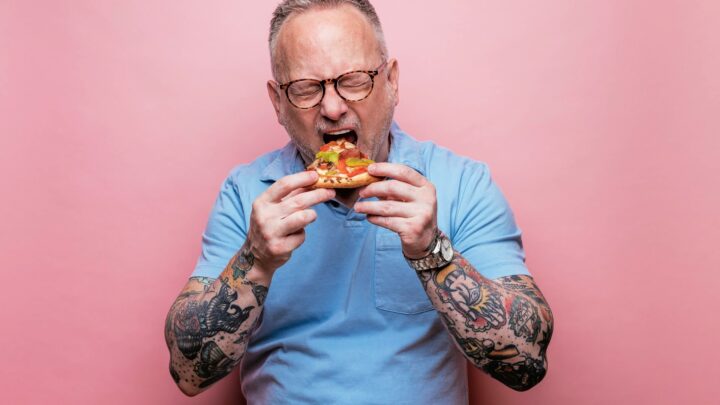
Let’s be honest. Most of us love a shortcut now and then. Who wouldn’t, after of a lifetime of packed lunches, midnight snacks and scoffing whatever’s handy in front of the telly? But there’s a world of difference between a cheeky cheese toastie and what the experts now waggle a finger at: “ultra-processed foods.” You’ve probably heard the phrase, maybe dismissed it as the latest health panic. Sadly, this one’s legit – and it’s more important than ever if you’re over 60.
What actually are ultra-processed foods?
Ultra-processed foods (UPFs for short) sound like something invented by a bloke in a lab coat with too much time on his hands – and, frankly, that’s not far off. These aren’t your humble batch of Anzac biscuits or a roast chook from the local deli. We’re talking about edible inventions loaded with preservatives, sweeteners, emulsifiers, colourings and whatever else science can cook up. There’s little “real food” left by the time they hit your plate: think packaged snacks, frozen pizza, instant noodles, sugary drinks, processed meats and those breakfast cereals that promise to make you run like Cathy Freeman but leave you needing a nap by 10am.
Put simply: if it comes wrapped in crinkly plastic, lasts until the next federal election, and contains words you can’t pronounce, it’s probably a UPF.
Why are they worse for us when we’re older?
Here’s the big concern: the older we get, the more these ultra-processed foods kick us in the health department. Fancy studies keep popping up pointing the finger at these “foods” for increasing our risk of heart disease, diabetes, high blood pressure, cancer and even dementia. Worse still, eating lots of UPFs may accelerate what the boffins call “biological ageing” – basically, your insides clocking up miles faster than your birth certificate says you should.
They pile on too much salt, sugar and dodgy fats – loading the dice against your blood pressure and cholesterol. Plus, they’re usually short on fibre, vitamins and all the good stuff that keeps our bodies ticking over as the decades roll by. For those of us over 60, that means less resilience to illness and a tougher fight recovering from setbacks.
Why do we keep eating them?
Convenience, mate. Ultra-processed foods are everywhere – and let’s be real, cracking open a bag of chips or slapping cheese on a sausage roll is easier than prepping a veggie stir fry. Supermarkets make it tempting and the price isn’t bad, either, especially now everyone’s counting pennies. And then there’s marketing: when was the last time you saw a sexy billboard for lentil soup?
How can we cut back?
It’s not a crime to have the odd shortcut. But if ultra-processed foods have become your go-to, it’s worth having a look at a few swaps and small tweaks to rescue your next snack from the clutches of the food labs.
Get Savvy with Labels. If the back of the packet reads like a chemistry set, put it back. Look instead for ingredients you’d actually cook with at home: whole grains, nuts, olive oil, eggs, fresh or frozen veggies.
Choose Real Food First. Shop for ingredients, not “products.” A banana and a handful of unsalted nuts are a better bet than a muesli bar with 28 ingredients. Go for bread that goes mouldy before you finish it, not one that could outlast your houseplants.
Prep, Don’t Stress. It doesn’t have to mean hours in the kitchen. Prepare extra portions to freeze for another day. Chop veggies ahead, boil a dozen eggs and cook once, eat twice. Convenience doesn’t have to mean ultra-processed.
Cook Simple Meals at Home. Fried rice, soups, salads – they’re quicker (and tastier) than you remember. Dust off the old recipe book and befriend your freezer.
Rethink Snacks. Swap out biscuits for fruit or a sliver of real cheese. Ditch those colourful packets of “crisps” for popcorn you make yourself, or roasted nuts.
Watch the Drinks. Sugary soft drinks slip in more UPF than you’d think. Stick to water, black tea, or a squeeze of lemon in soda water.
Final Thoughts
At our age, your body deserves better tools for the next leg of the journey. You don’t have to go full rabbit-food, but eating less ultra-processed food and more real ingredients is a ticket to a sturdier, more satisfying life. Even small changes – a few more home-cooked meals a week, a couple of label checks at the shops – can add up.
Your 60s and beyond should be about feeling good, not fighting the science experiment that’s overtaken the grocery aisles. Treat yourself to food your grandmother would recognise – and, if you can, keep the sausages and two-minute noodles for special occasions, not every lunch.
If you need me, I’ll be the bloke peeling carrots and eyeing off the biscuit barrel with heroic self-restraint. Good luck out there.





 Proudly Australian owned and operated
Comments 0
Join the conversation. Comments are reviewed before they appear.
Be the first to comment.
Join the conversation
Tell us who you are to post a comment. We'll remember you next time.