
At 70, Sarath’s stopped feeling he has to prove himself


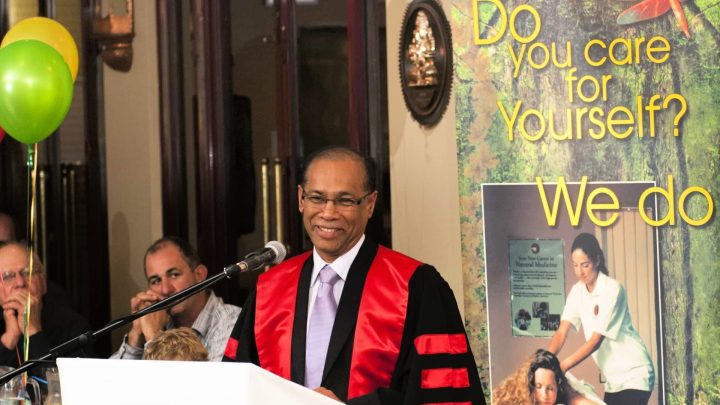
When Dr Sarath Jayawardana returned to university to study law in his late 50s, he was revisiting an ambition he’d held since he was a schoolboy in rural Sri Lanka.
He had enjoyed debating and once imagined a future as a lawyer, but chose medicine instead. Decades later, after rebuilding his life in Australia and establishing a career in education, he decided to find out whether that early interest could still lead somewhere.
In 2018, he was admitted as a lawyer by the Supreme Court of Western Australia.
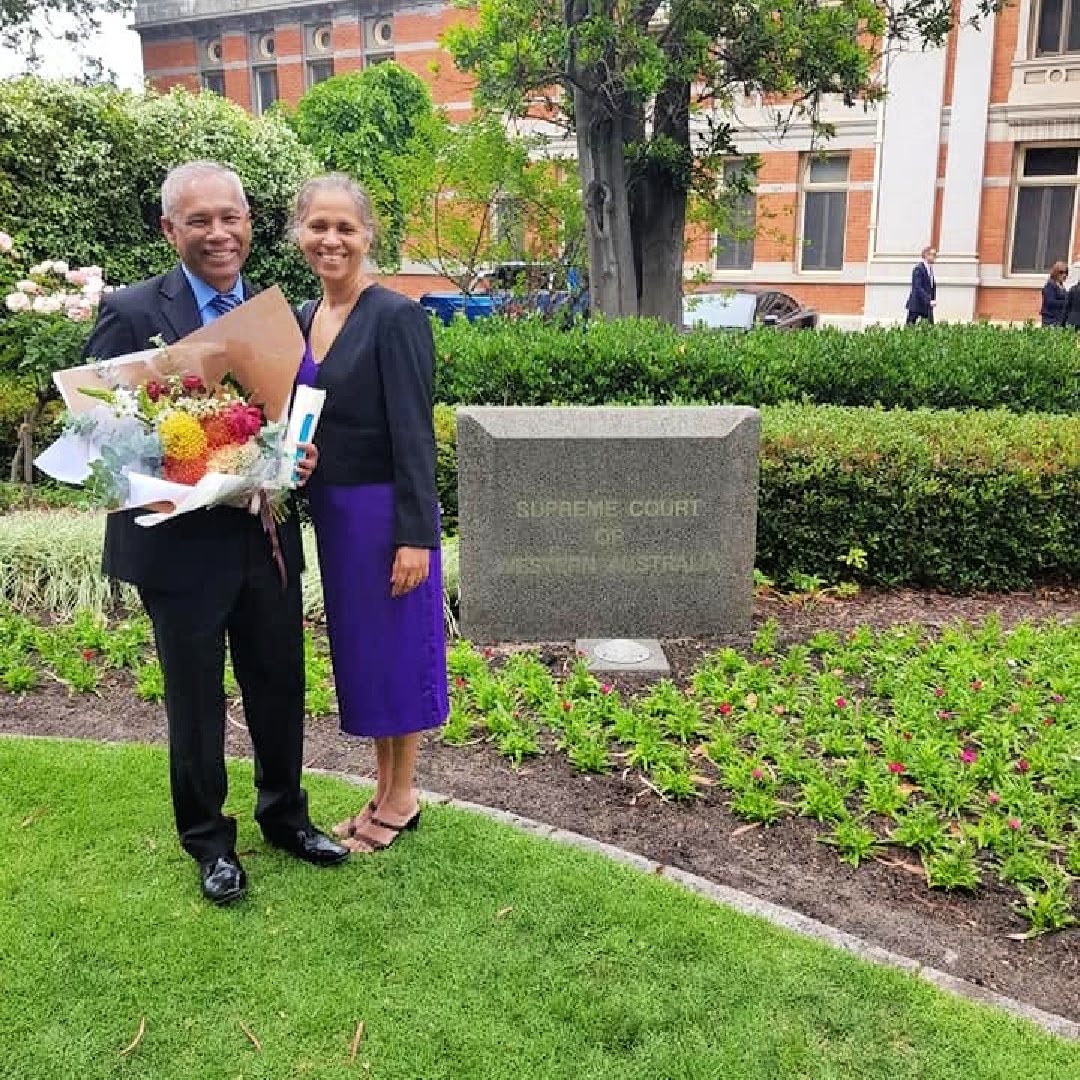
“For me, the greatest reward was not the title,” Sarath says. “It was the realisation that a dream I had carried since childhood could still be fulfilled decades later.”
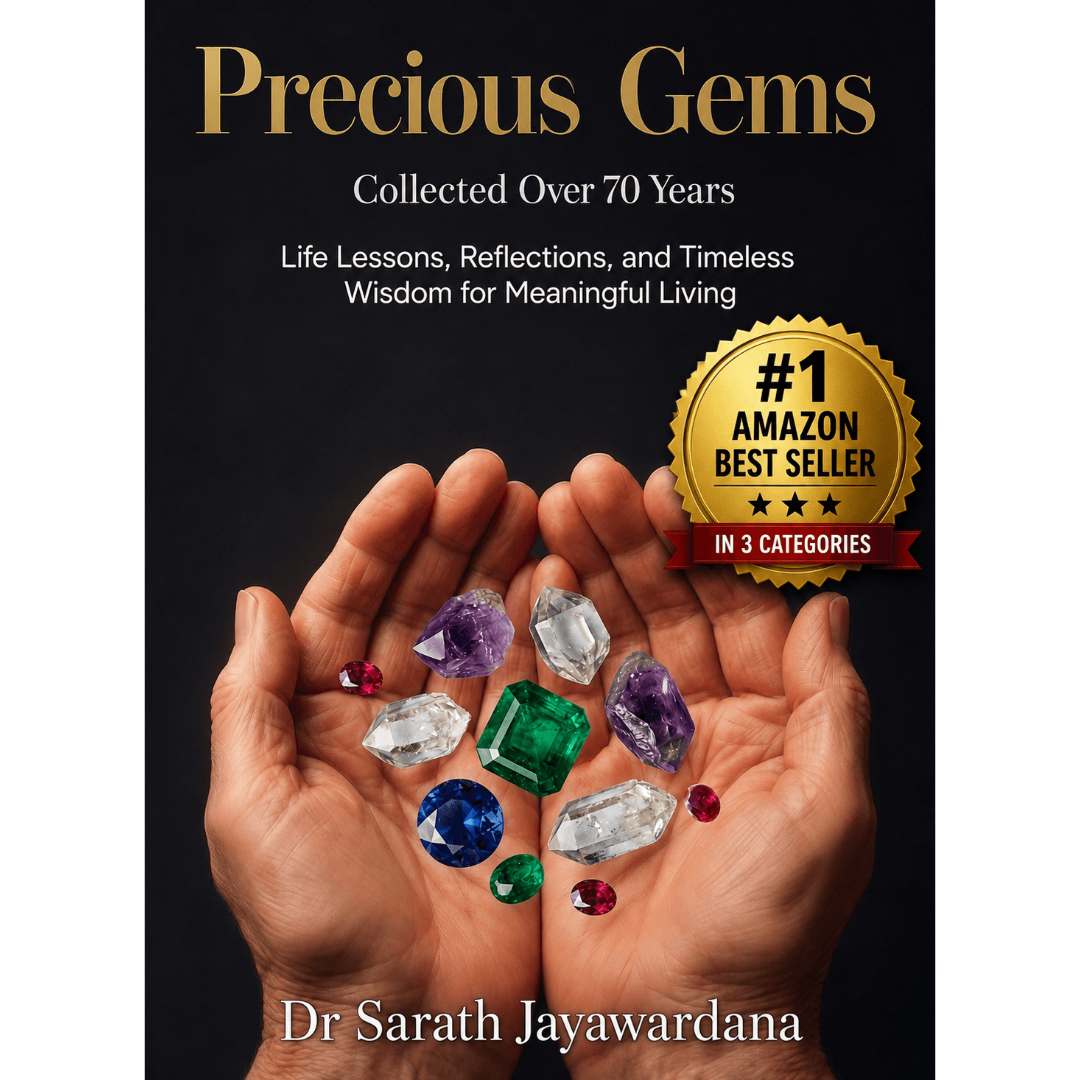
Now 70, Sarath has collected his reflections in Precious Gems Collected Over 70 Years. While he still enjoys taking on something new, he has also come to appreciate the freedom of doing things without needing to prove himself.
“Perhaps the most pleasant surprise about getting older is discovering that life can become more enjoyable when we feel less pressure to prove ourselves or meet other people’s expectations.”
It’s a perspective shaped by a life in which starting again wasn’t always a choice.
While working as a doctor in Sri Lanka during a period of intense political violence, Sarath was woken one night by banging on his bedroom window. His wife and their two young children were asleep when he went to investigate.
“Suddenly, the barrel of a gun was pushed through the window and pointed directly at me. I was ordered to open the door.”
Militants brought in a man with gunshot wounds to his thigh. Sarath provided initial treatment, but told them the patient needed hospital care. They subsequently ordered him to drive the injured man to hospital himself and arrange his admission.
He feared that transporting a wounded militant during curfew would expose him to suspicion from the security forces, while refusing could endanger his family.
He got the patient to hospital and returned home safely, but says the incident left him fearful of being targeted by either side. With help from colleagues and others, he eventually secured an opportunity to travel to Australia in 1990.
What has stayed with him, alongside the fear, is the generosity of those who helped.
“Some were close friends, while others were people I hardly knew,” he says. “Some took personal risks to assist me.”
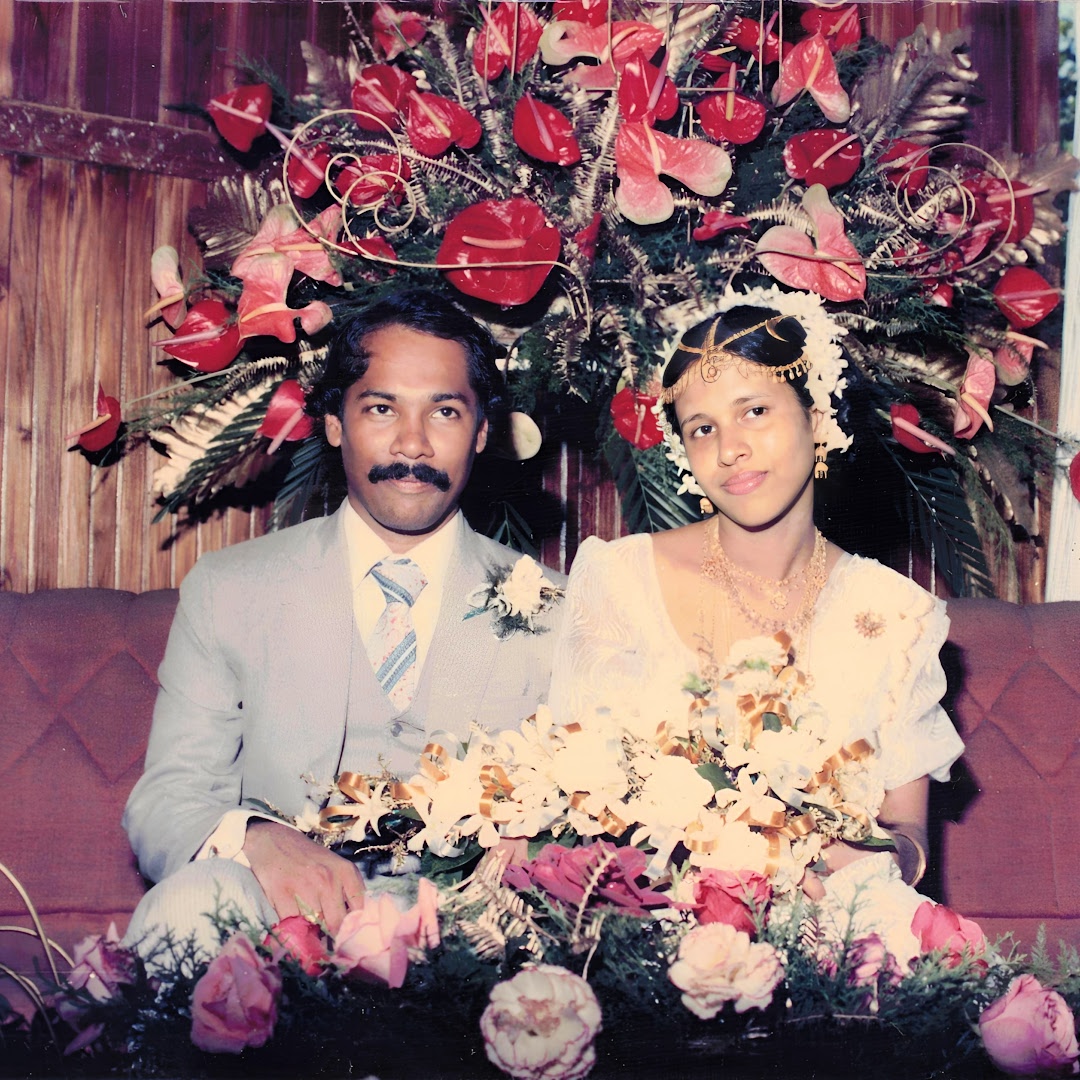
His wife and children joined him in 1991, a reunion he describes as one of the happiest moments of his life.
After initially staying with his wife’s brother, the family rented a small two-bedroom apartment in Lynwood, Perth. Their weekly income was approximately $300, which his wife stretched to cover the household expenses while managing to save a little.
Their youngest daughter was born about a year after the reunion.
“Some of our most precious memories were created when we had very little, but appreciated what we had,” Sarath says.
Over the following decades, his work in education helped hundreds of students gain qualifications and improve their employment prospects. Yet the interest in law never disappeared.
Returning to formal medical study in his early 50s helped build his confidence. Later, he enrolled in law at the University of New England, both for the enjoyment of learning and because the knowledge would be useful in his educational work.
It wasn’t effortless. The reading was extensive, and some aspects of technology took him longer than they did younger students. Experience, however, helped him connect what he was studying with situations he had encountered in his working life.
“I was not studying to achieve the highest marks or compete with younger students,” he says.
After his degree, he completed a Graduate Diploma in Legal Practice and the requirements for admission.
For readers with an ambition they have kept putting off, Sarath suggests beginning by asking why it matters to them. A meaningful reason can help make the first step possible, even when the whole path isn’t clear.
“I would encourage them not to allow their chronological age to make the decision for them.”
He acknowledges that health and personal circumstances can affect what is possible, but believes age alone shouldn’t determine whether someone pursues an interest.
“Had I believed that I was too old to study law in my late 50s, I would never have experienced the satisfaction of completing that journey.”
There is also permission to enjoy something without turning it into another test of achievement.
That has become increasingly relevant in his own life. Since stepping away from regular professional responsibilities, Sarath has been learning music and exploring new technology. Being a beginner still requires patience, but he feels less urgency to demonstrate that he is good at something.
“I can simply enjoy learning,” he says.
“I no longer see learning primarily as preparation for life. I see it as one of the pleasures of living.”
His 60s brought a welcome change in how he thought about his time. After years of professional demands and family responsibilities, he began to feel less pressure to justify each day through what he accomplished.
“I no longer feel the same need to rush through life or constantly achieve something to justify how I spend my time.”
He now enjoys time with his grandchildren and the freedom to follow his interests. There are still things he hopes to do, including further travel, but he is less preoccupied with reaching the next milestone.
“At 70, I value the people who have shared my journey far more than the titles or achievements I have accumulated.”
Meditation and reflection have also helped him understand his expectations of other people. He says becoming more comfortable with himself has made him less dependent on their approval for his happiness.
That doesn’t mean he has finished making plans.
“I do not see turning 70 as the beginning of a period of withdrawal from life,” Sarath says. “I see it as an opportunity to live with greater awareness and freedom.”
To purchase Dr Sarath Jayawardana’s click here.





 Proudly Australian owned and operated
Comments 0
Join the conversation. Comments are reviewed before they appear.
Be the first to comment.
Join the conversation
Tell us who you are to post a comment. We'll remember you next time.