


Tea, Titles & Tiaras Special Edition: with Emily Darlow
Before we begin, a small but important caveat. I am not inside Sandringham on Christmas Eve, perched on a brocade sofa with a sherry. So no, I do not know exactly what happens once the doors close and the family is out of public view.
What I do know is that the royal family is famously wedded to tradition. Christmas, more than almost any other moment in the royal calendar, follows a familiar rhythm shaped by history, habit and a healthy dose of family dynamics. Which means that while I may not see it, I can imagine it with a fair degree of confidence.
Sandringham has been the royal Christmas headquarters since Edward VII bought the estate in 1862, and it has hosted generations of Windsors ever since. Once something becomes tradition with the Windsor’s, it tends to stay that way.
Christmas Eve sees the house slowly fill with family, arriving in carefully managed order, with junior royals and extended relatives settling in well before the most senior figures arrive. Sandringham itself is vast but famously homely by royal standards, with long corridors, uneven heating and rooms that feel lived in rather than museum perfect.
It is also where the royal children are traditionally allowed a little more freedom.
Despite the formality that surrounds royal life, Christmas at Sandringham has long been described as surprisingly lively, particularly when there are children in residence. Over the years, staff have spoken of young royals running through corridors, playing with cousins and treating the house like a slightly eccentric country retreat.
Prince William and Prince Harry have both spoken fondly in the past about Christmases spent surrounded by cousins, with the atmosphere loosening once the adults retreated to other rooms. More recently, Prince George, Princess Charlotte and Prince Louis have become part of that picture, joining cousins like Mia, Lena and Lucas Tindall for games and general festive chaos.
It is one of the few times of year when royal children are allowed to simply be children, albeit ones in very smart coats with very good manners.
One of the most charming and often misunderstood royal Christmas traditions is the gift exchange, which takes place on Christmas Eve rather than Christmas morning. This tradition was introduced by Prince Albert and Queen Victoria and has remained firmly in place ever since.
Even more surprising is the nature of the gifts. Despite extraordinary wealth, royal Christmas presents are famously modest, practical and often deliberately silly. This is not the moment for diamonds or couture.
Over the years, reported gifts have included joke books, novelty mugs and everyday household items. Prince Harry once famously gave the late Queen a novelty shower cap with a cheeky slogan, which she reportedly found genuinely amusing. Kate is said to favour thoughtful but inexpensive gifts such as books, while Queen Elizabeth herself was known to enjoy a well-judged gag gift.
For a family surrounded by priceless heirlooms, the emphasis on humour and practicality feels oddly grounding.
Christmas Eve dinner is traditionally the most formal moment of the royal Christmas, with evening dress and a very traditional menu. This was particularly true during Prince Philip’s lifetime, when the Duke of Edinburgh took a keen interest in standards and routines.
Philip was also known for injecting a slightly more relaxed edge into Sandringham life. He reportedly enjoyed barbecuing when weather allowed and was famous for his competitive streak during post dinner games. Charades were said to be fiercely contested, with Philip enforcing rules strictly and expecting everyone else to keep up.
It is easy to imagine him presiding over proceedings with dry humour and the occasional sharp comment, keeping the evening lively and everyone slightly on edge.
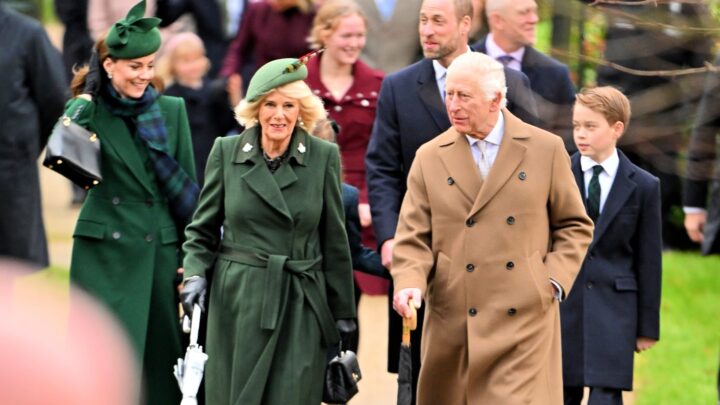
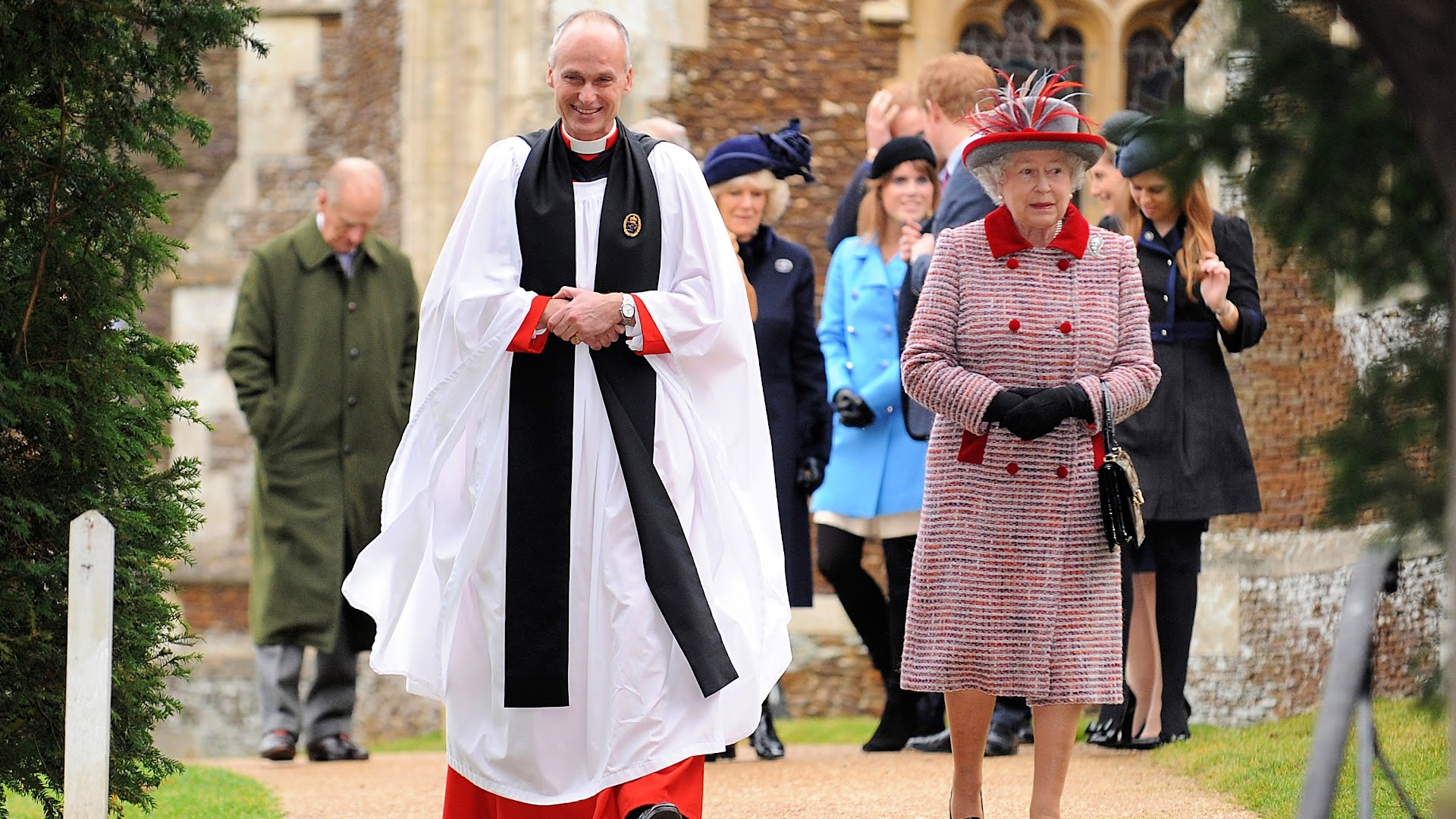
Christmas Day begins with a service at St Mary Magdalene Church on the Sandringham estate, a tradition dating back to Queen Victoria’s reign. The church itself is modest by royal standards, but it is steeped in family history and closely associated with generations of royals.
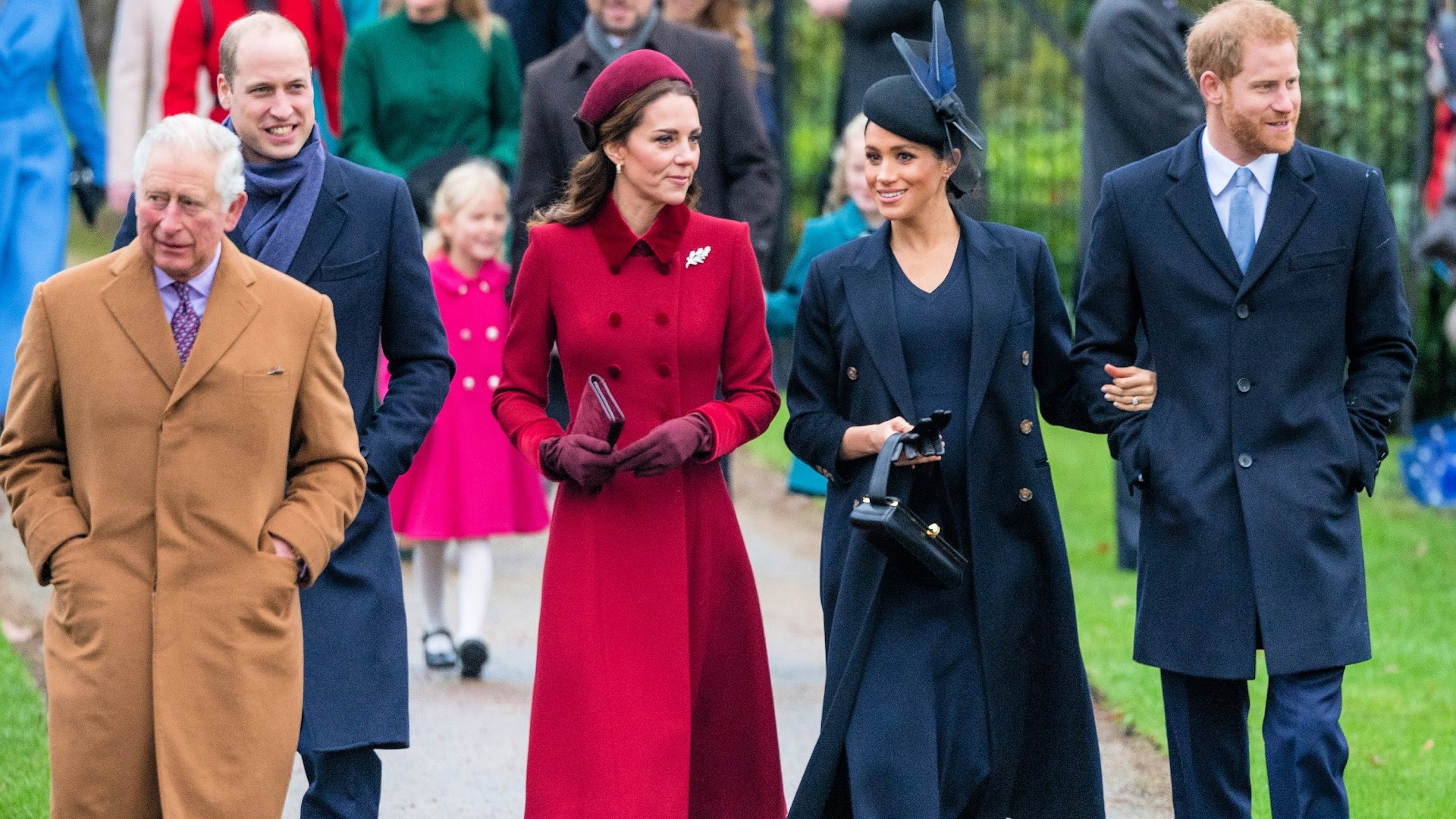
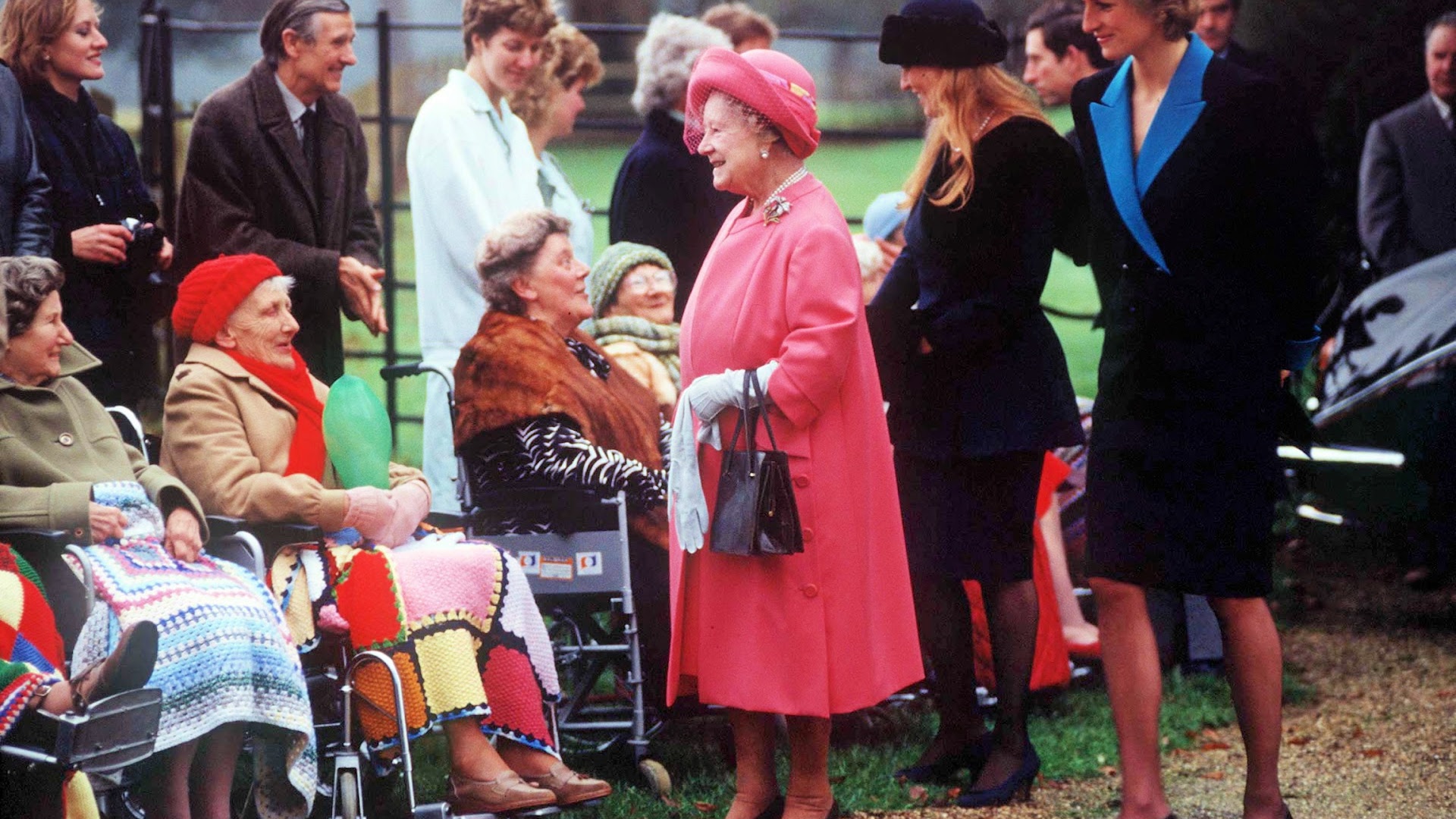
The walk to and from church is one of the most revealing moments of the royal year. Who walks together, who brings their children, who stops to greet well wishers and who is absent altogether are details that never go unnoticed. When Prince George first joined the walk, it was widely seen as a significant moment. When other family members have not appeared, speculation has followed swiftly.
It may look relaxed, but nothing about that walk is accidental, personally it’s also one of my favourite days on the royal calendar.
After church, the family returns to Sandringham for Christmas lunch, followed by the King’s Christmas message. First delivered by King George V in 1932, the broadcast has become one of the monarchy’s most enduring traditions.
Recorded in advance and carefully crafted, it remains the moment when the monarch speaks directly to the nation. No matter what tensions may exist behind the scenes, this message is designed to project continuity, reassurance and calm.
Once lunch is over, the atmosphere is said to relax, at least by royal standards. Board games and charades have long been part of Sandringham Christmases, with multiple generations often taking part.
That said, this is still a family raised on competition, hierarchy and rules. Former staff have hinted that these games can become surprisingly intense, with nobody particularly keen to lose and everyone very clear on how the game should be played.
Oh to be a fly on the wall during a round of monopoly between royal cousins!
Then there is the tradition that refuses to disappear. Stories persist of guests being weighed before and after Christmas to ensure they had eaten well, a practice linked to King Edward VII.
Whether this still happens is open to debate, but the tale has endured for more than a century. Like many royal traditions, it has become part myth, part folklore and part irresistible Christmas story.
Of course, not everyone will be at Sandringham.
Across the Atlantic, Harry and Meghan’s Christmas looks very different. Public glimpses from recent years suggest a far more Californian approach, centred on creating magical traditions for their children, Archie and Lilibet.
Meghan has spoken about her love of festive decorating and home centred celebrations, while their Netflix projects have offered carefully curated glimpses of holiday life. Where Sandringham Christmas is rooted in hierarchy and symbolism, Montecito Christmas appears intentionally cosy, child focused and styled for warmth.
If history is any guide, Christmas at Sandringham will be traditional, structured and quietly revealing. There will be formal dinners, familiar rituals, children racing through corridors, competitive games and at least one novelty gift that makes no sense to anyone outside the room.
There will also be meaning in who attends, who walks where and who is missing. Because when it comes to royal Christmas, nothing is ever just Christmas.
And that, of course, is exactly why we keep watching.





 Proudly Australian owned and operated