
Study shines light on sleep and Alzheimer’s risk in women


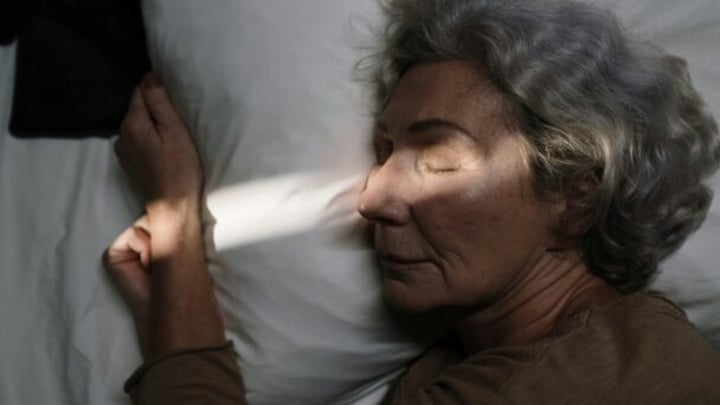
A new study from researchers at the University of California San Diego is adding weight to growing concerns about the link between poor sleep and Alzheimer’s disease, particularly for older women with a higher genetic risk.
Published via Neuroscience News, the research followed 69 women aged over 65 who took part in the Women Inflammation Tau Study. Participants completed sleep surveys, memory assessments and brain scans tracking tau, a protein associated with Alzheimer’s disease.
Researchers found women with a stronger genetic predisposition to Alzheimer’s who also reported poor sleep showed greater tau accumulation in key brain regions, alongside weaker visual memory performance. Interestingly, the same pattern was not seen in women considered at lower genetic risk.
The findings add to evidence suggesting sleep problems and Alzheimer’s may feed into each other over time. Disturbed sleep may reduce the brain’s ability to clear harmful proteins, while changes linked to Alzheimer’s can further disrupt healthy sleep cycles.
With women making up almost two-thirds of Alzheimer’s diagnoses worldwide, researchers believe sleep quality could become an important early indicator worth monitoring more closely.
Health experts say improving sleep habits may help support long-term brain health. Common recommendations include keeping a regular bedtime, limiting screen use late at night, reducing caffeine and alcohol intake in the evening, maintaining a cool and dark bedroom, eating your last meal 2-3 hours before sleep, and getting regular daylight exposure and exercise during the day.
While more research is needed, the study highlights a simple message often overlooked: persistent sleep problems shouldn’t just be brushed aside as part of ageing.
IMPORTANT LEGAL INFO This article is of a general nature and FYI only, because it doesn’t take into account your personal health requirements or existing medical conditions. That means it’s not personalised health advice and shouldn’t be relied upon as if it is. Before making a health-related decision, you should work out if the info is appropriate for your situation and get professional medical advice.





 Proudly Australian owned and operated
Comments 0
Join the conversation. Comments are reviewed before they appear.
Be the first to comment.
Join the conversation
Tell us who you are to post a comment. We'll remember you next time.