
Sonia Kruger on Watching Loved Ones Face Dementia: “It Does Change the Way You Think About Ageing”


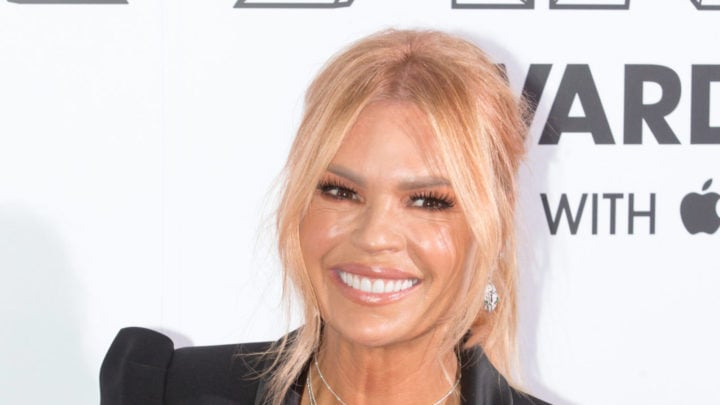
Gold Logie winner Sonia Kruger says watching close family members diagnosed with dementia has prompted her to take a genuinely serious look at her own lifestyle and health.
The former professional dancer and host of The Voice and Dancing With the Stars said seeing firsthand the toll dementia can take on elderly loved ones has pushed her to pay closer attention to emerging research on preventative measures, and to make real changes now rather than waiting.
“When you watch people that you love lose aspects of their memory and their independence and connection with the world, it does change the way you think about ageing,” the 61-year-old said.
“It’s in everybody’s mind probably past the age of 50. You start to look at your own lifestyle and we have a desire for longevity… but nobody wants to lose independence. It’s a natural drive for us to remain independent for as long as we can.”
Why Kruger is speaking out now
Kruger has lent her support to the Think Again dementia campaign, run by news.com.au and The Australian, drawing on her own family’s experience to help raise awareness of the condition and the genuine, evidence-based steps people can take to reduce their risk.
According to the Australian Institute of Health and Welfare’s most recent Dementia in Australia report, a striking 43 per cent of the dementia burden in this country can be attributed to just six modifiable risk factors: being overweight or obese, physical inactivity, high blood sugar, high blood pressure in midlife, smoking, and impaired kidney function. It’s a genuinely significant proportion, and one that puts real weight behind the idea that lifestyle changes can make a meaningful difference.
What Kruger is actually doing differently
Kruger said she’s made a conscious effort to eat well, exercise consistently, and stay socially engaged, three pillars increasingly backed by dementia prevention research.
“I’m trying to eat the right things,” she said. “I stick to a Mediterranean diet and exercise regularly, consistently. A couple of times a week I’ll do strength training, and then I’ll dance as much as I possibly can. I like to play tennis and social connections are important too.”
She was careful to note that social connection doesn’t need to be a grand gesture to count. “It’s not necessarily just catching up with friends, it could be people that you’re working with or just talking to the barista every day if you’re going to get coffee.”
Kruger isn’t the only Australian public figure speaking up
Kruger joins a growing number of Australian celebrities who’ve chosen to speak openly about dementia’s impact on their own families, helping shift the condition out of the shadows and into genuine public conversation.
Country music star Adam Harvey, a nine-time Golden Guitar Award winner, wrote the heartfelt ballad Remember Me after his own mother’s dementia diagnosis, a song later nominated for Song of the Year at the Golden Guitar Awards. Harvey has said watching his mother face the condition has been incredibly tough, but has also highlighted just how important support, compassion and awareness genuinely are.
Radio and TV personality Woody Whitelaw, from KIIS FM’s Will & Woody, has an especially personal connection to the cause: all four of his grandparents lived with dementia. He’s said the condition has touched every part of his family, and that watching its impact firsthand is what drove him to become a Dementia Australia Ambassador, helping keep the conversation going for the next family facing a diagnosis.
Television presenter Stephanie Bendixsen has also spoken publicly about losing her mother to Alzheimer’s disease in 2018, and has since lent her voice to Dementia Australia resources aimed at helping other families navigate a diagnosis with far more information than her own family had at the time.
Why this matters
With dementia remaining one of the leading causes of death and disability among older Australians, the willingness of high-profile figures like Kruger, Harvey, Whitelaw and Bendixsen to speak candidly about their own family experiences plays a genuine role in reducing stigma, and in encouraging everyday Australians to take modifiable risk factors seriously, well before a diagnosis ever becomes a possibility.
For information and support, contact the National Dementia Helpline on 1800 100 500, available 24 hours a day, seven days a week.
IMPORTANT LEGAL INFO This article is of a general nature and FYI only, because it doesn’t take into account your personal health requirements or existing medical conditions. That means it’s not personalised health advice and shouldn’t be relied upon as if it is. Before making a health-related decision, you should work out if the info is appropriate for your situation and get professional medical advice.





 Proudly Australian owned and operated
Comments 0
Join the conversation. Comments are reviewed before they appear.
Be the first to comment.
Join the conversation
Tell us who you are to post a comment. We'll remember you next time.