
Michael lived independently, then came the phone calls


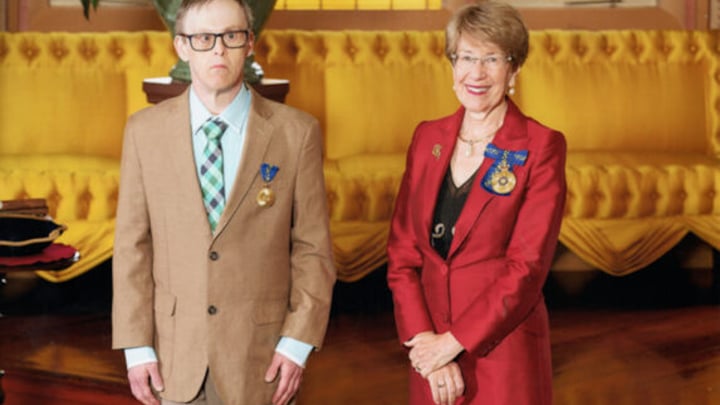
About half of people with Down syndrome develop Alzheimer’s disease by age 60. For Michael Sullivan and his sister Anita, the first warning signs were subtle… until the day he disappeared.
Michael Sullivan was used to running his own life.
For more than a decade, he lived independently in his own apartment in Lindfield, on Sydney’s North Shore. He worked with the Teachers Federation into his 50s, sat on disability advocacy boards and worked with Down Syndrome Australia.
He was also an advocate during the formation of the National Disability Insurance Scheme.
His sister Anita remembers a capable, outgoing man who valued his independence. So when Michael began to change, the people who knew him well noticed.
“Funnily enough, it was people on his boards who first noticed things were changing,” Anita said.
“He started questioning things more, his confidence slipped, and he needed reassurance with everything he was doing.”
Michael was diagnosed with dementia in 2021.
His experience also highlights a little-known connection between Down syndrome and Alzheimer’s disease.
According to Dementia Australia, about half of people with Down syndrome will develop Alzheimer’s disease by the age of 60, with symptoms beginning on average in the early-to-mid 50s.
The link is partly associated with chromosome 21. People with Down syndrome have an extra copy of chromosome 21, which carries the gene for amyloid precursor protein. Dementia Australia says this results in about one-and-a-half times as much of the protein being produced, which is thought to contribute to the earlier onset of Alzheimer’s disease.
By 40, almost all people with Down syndrome have changes in their brains associated with Alzheimer’s disease, although this does not mean everyone will develop dementia.
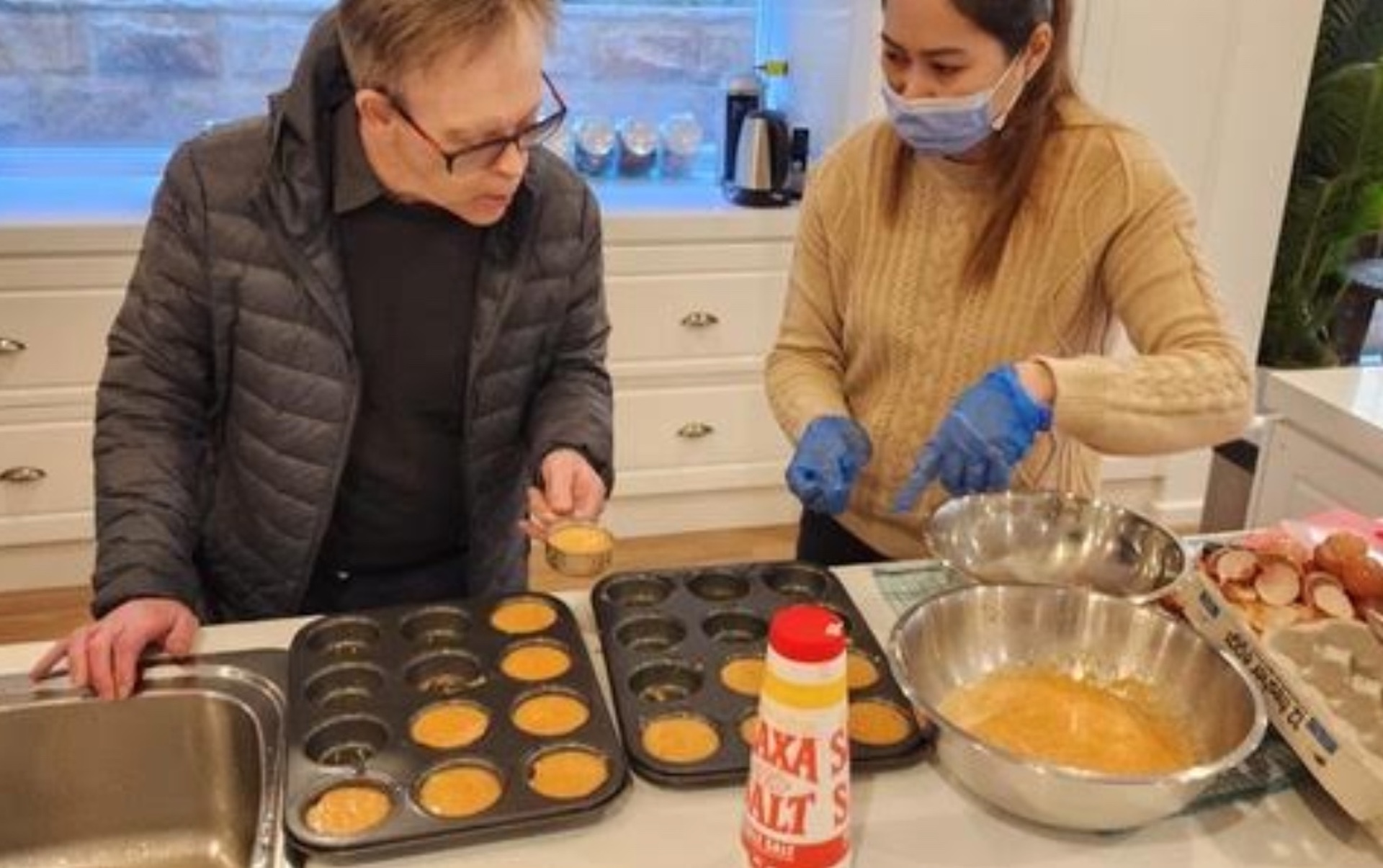
The signs were easy to dismiss
Looking back, one change stands out for Anita.
“The phone calls are the main one for me,” she said.
“Michael started to ring at all hours of the day and night, and it often wasn’t urgent. He’d simply lost his sense of time.
“On their own, things like that are easy to brush off, but the loss of confidence, the change in his personality and the constant need for reassurance were all part of the same picture.”
Dementia Australia says possible signs among people with Down syndrome can include difficulty with familiar daily tasks, reduced short-term memory, confusion, changes in motivation, less interest in social activities, communication difficulties, altered sleep and increased anxiety.
Recognising those signs isn’t always straightforward and what matters is identifying a decline from the person’s previous abilities and behaviour.
Down Syndrome Victoria recommends regular health checks and says establishing a baseline of cognitive function from around age 30 can help families and health professionals identify changes later.
Then, in May 2022, something happened that left Michael’s family in little doubt that he needed more support.
He went missing.
“He’d left without his phone, and it took a long time to find him, so we knew he needed more support,” Anita said.
Finding somewhere that understood both
Michael already had NDIS-funded carers visiting for several hours on weekdays, while Anita and her husband also visited.
But the family now had to find somewhere he could live safely without unnecessarily stripping away the independence he had enjoyed for so long.
That wasn’t easy.
“Group homes for people with disabilities aren’t set up for dementia, because they often don’t have the specialist staff,” Anita said.
Michael was also younger than the typical aged-care resident.
Anita began looking for somewhere that could support someone living with both an intellectual disability and dementia. Her search eventually led her to Videri, a provider operating small dementia-care homes.
Videri had not previously cared for a resident with Down syndrome, Anita said, so representatives met Michael in his apartment.
The family also had valuable connections within the disability sector.
“We were lucky to have people in the disability sector who helped us speak to the right people, who put his NDIS case forward, and it was approved in six weeks,” Anita said.
“That network played a massive role in helping us find our way.”
Michael moved into a small home with other residents, including younger people receiving NDIS support.
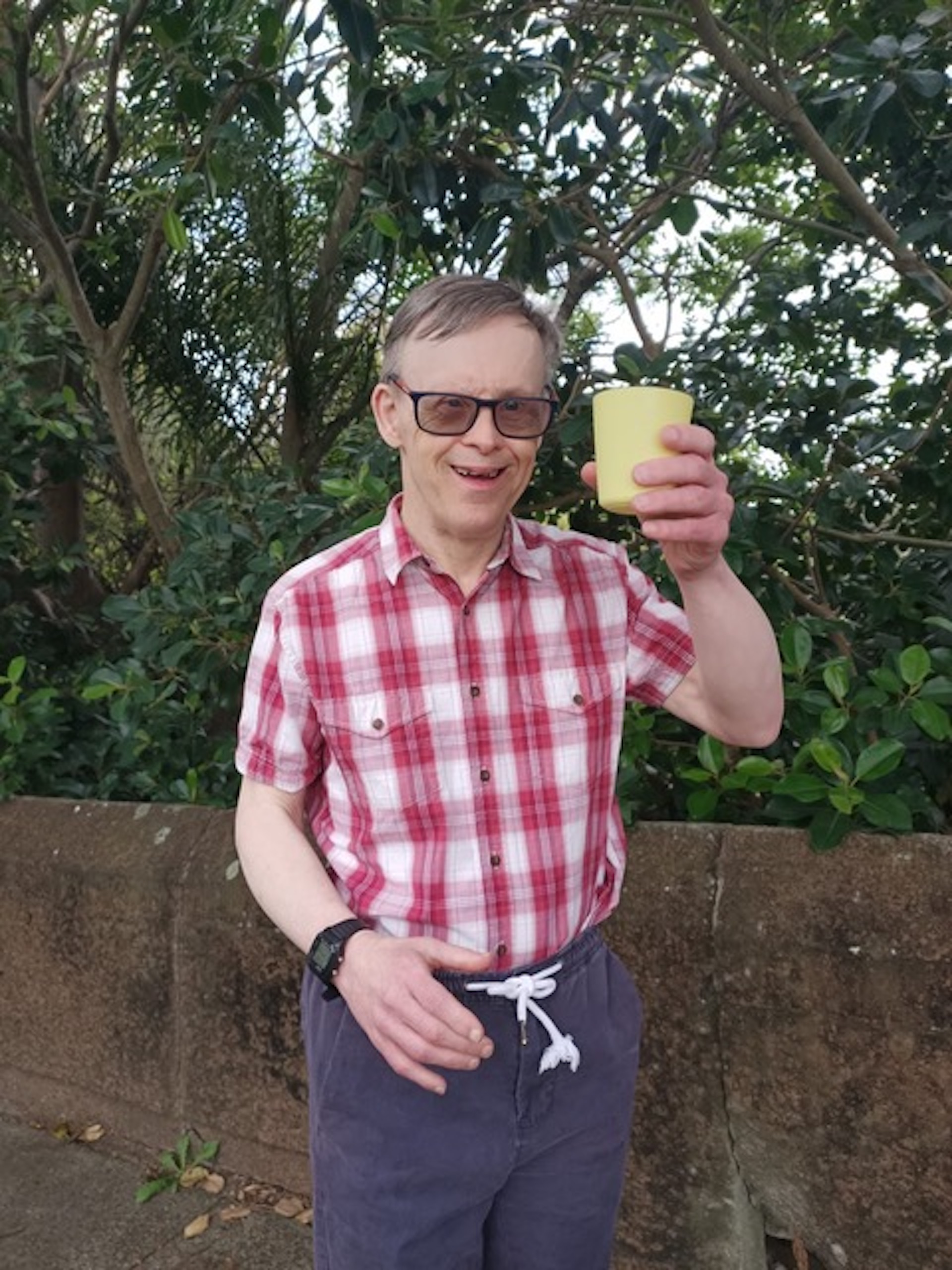
“He was comfortable from the very first day,” Anita said.
“He loved the company, and he loved that Videri let him keep his independence while giving him help with things like meals, which he couldn’t prepare himself.
“He bonded with the other residents and enjoyed the outings every day that kept him active.”
About five-and-a-half months later, Michael said something Anita has never forgotten.
“He said, ‘I want to go home.’
“He meant Videri, and he never once asked to go back to his old place, which for me was very comforting.”
Michael remained there as his health declined. He died in April 2025.
‘Trust what you are noticing’
Anita now wants other families to pay attention when someone they know well begins behaving differently, even when the changes seem relatively minor.
“I wish someone told me to trust what I was noticing,” she said.
“Changes in confidence and personality, confusion about time, and needing reassurance can all be early signs. See a GP early and push for answers.
“It’s also tremendously important to search for places that understand dementia and disability, because the right environment can change everything.”
Down Syndrome Victoria advises families to speak with a GP about suspected changes and to investigate other health conditions that could be contributing to them. Further assessment may involve a psychologist, psychiatrist, memory clinic or specialist intellectual disability health clinic.
Michael’s changes began quietly: more questions, less confidence, phone calls at strange hours and a growing need to be reassured. They were small things, but his sister now knows they were telling her something.
ALSO CHECK OUT DEMENTIA BECOMES AUSTRALIA’S LEADING CAUSE OF DEATH
IMPORTANT LEGAL INFO This article is of a general nature and FYI only, because it doesn’t take into account your personal health requirements or existing medical conditions. That means it’s not personalised health advice and shouldn’t be relied upon as if it is. Before making a health-related decision, you should work out if the info is appropriate for your situation and get professional medical advice.





 Proudly Australian owned and operated
Comments 1
Join the conversation. Comments are reviewed before they appear.
I am so glad that Videri were able to accommodate Michael, they are a wonderful provider for people with dementia. My husband, also named Michael, was there for two years and the care was outstanding, he also asked to "go home" and I think that indicates what a wonderful place their residences are. He passed in 2020 whilst receiving every kindness and care.
Join the conversation
Tell us who you are to post a comment. We'll remember you next time.