



Joint pain impacts as many as 3.8 million Australians and many more around the world. While many people have experienced the agony associated with stiffness, swelling and weakness around the joints, there are plenty of things people living with the condition can do to prevent joint pain.
And, with a change in season fast approaching and usually known to trigger joint pain, now is as good a time as any to consider lifestyle choices that can positively impact your joints.
Amcal Senior Pharmacist James Nevile says while short-term measures can help, people should be looking at long-term measures to assist with their overall health.
“We all too often ignore the early signs of joint pain, and as the change of season approaches, it’s a timely reminder to check in on your personal health,” he said.
“There are a number of easy and simple ways to manage pain and while a number of these ways provide short term relief, we also encourage all Aussies to undertake long-term measures. As most pain sufferers know, if you do experience persistent pain it’s still important to seek support from a GP or pharmacist to understand the full spectrum of relief options available to you.”
The first tip Nevile and Amcal’s Accredited Practising Dietitian Megan Alsford suggest is the use of heat and cold packs. This technique is one of the easiest and well-known measures, given that it can quickly ease pain.
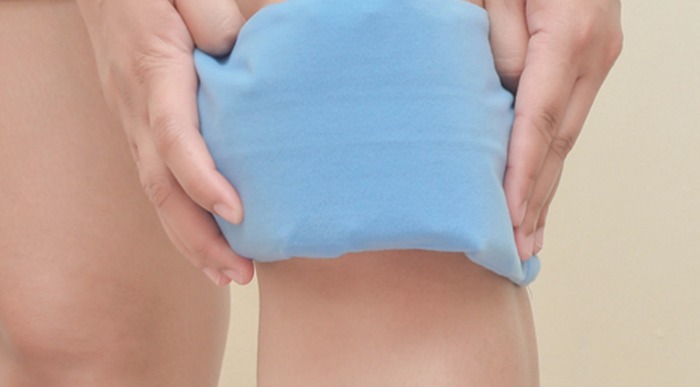
The use of a cold pack is particularly useful when applied immediately after an injury. This not only prevents swelling and inflammation, but also numbs the pain associated with a strain or a sprain.
On the other hand, heat packs are most effective in the days following joint pain. The added heat to joints can increase blood flow to the area and provide ongoing pain relief. Nevile suggests that in addition to the use of heat and cold packs, it’s important to stay active to avoid muscle pain.
“The easiest way to avoid consistent muscle pain is by getting up and moving,” he said. “Even something as simple as walking around the block or around the house can help to relax your muscles and when used in conjunction with cold and heat packs, may significantly reduce symptoms associated with joint pain.”
A more long-term solution is controlling weight. While Alsford acknowledges it can be difficult to manage weight, there are plenty of programs and diets on the market that assist. To see benefits, large amounts of weight don’t need to be lost, however, shedding the kilos can lead to improvements in knee and hip pain.

She suggests looking for programs or diets that don’t eliminate whole food groups and ones that include not only realistic exercise regimes, but also offer ongoing support.
For some people, the pain can be so intense that they need medication to ease it. When taken correctly, a number of anti-inflammatory medicines can help assist pain, while reducing typical symptoms such as swelling and inflammation.
In most cases, an array of options, including those of the herbal and natural variety, are available, although patients should discuss this specifically with their GP for the best results. Alsford said that some foods are also naturally anti-inflammatory. “Nutritionally, foods known for their anti-inflammatory properties can provide additional benefits to traditional treatments,” she explained.
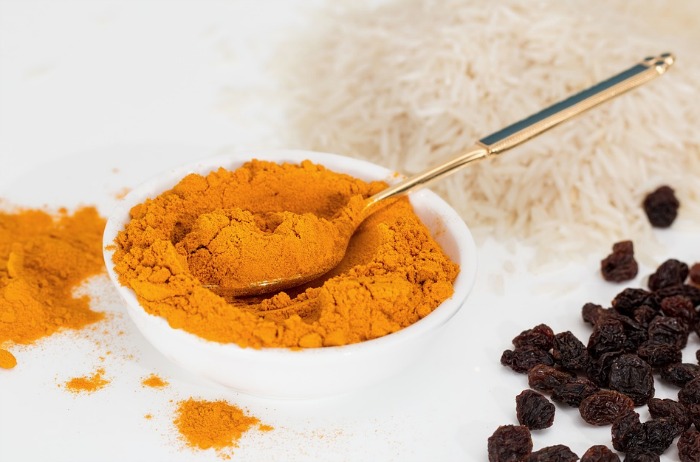
“For example, omega-3 oils, turmeric and oleocanthal found in extra virgin olive oil have been shown to reduce inflammation and are good additions to the diet.”
Furthermore, meditation is another method that can assist with pain management. While it may not be as well-known as other pain-relief options, studies have found it can help reduce pain.
“More often than not, the effects of joint pain are described in physical terms like soreness and stiffness,” Nevile explained. “While these are the more common ways in which joint pain affects Australians, what often goes less noticed is the mental impacts of such pain. Meditation and mindfulness may provide a natural way to manage the anxiety around chronic pain, as well as helping to minimise depression commonly associated with on-going joint pain issues.”






 Proudly Australian owned and operated