
The Six-Week Wellbeing Plan, Week Two: What You Eat and How You Age


Welcome back to The Six-Week Wellbeing Plan. Last week, we looked at why learning something new is one of the best things you can do for your brain, and we hope you’ve had a go at picking up a small new habit, whatever that looked like for you. This week, we’re turning to the plate: how the food you eat genuinely shapes the way you think, remember and age, and a handful of “superfoods” worth having in regular rotation.
Why diet matters more than most of us realise
Too much salt, sugar and fat in our diets has long been linked to obesity and type 2 diabetes, but the effect on the brain specifically is less widely understood. Diets high in ultra-processed foods have been shown to impair memory and appetite regulation in as little as a week, and over the longer term, they’re linked to cognitive decline and an increased risk of stroke.
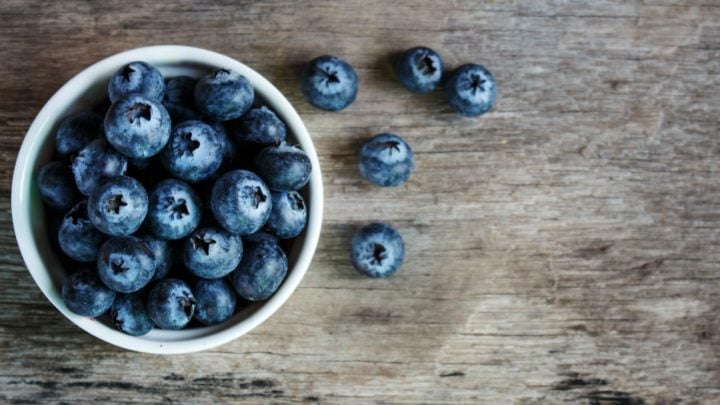
The flip side is genuinely encouraging: certain foods have been shown to slow cognitive decline, and some may even offer protection against diseases like Alzheimer’s. Berries and purple grape juice, for instance, have both been linked to better memory and learning.
We know changing the way you eat isn’t simple, particularly when ultra-processed foods, think supermarket meat pies, packet chips and plenty of breakfast cereals, are cheap, filling and available on every aisle. The good news is that meaningful change doesn’t require an overhaul. Small, consistent swaps genuinely add up.
Simple habits worth building
Add a little protein to every meal. This can be as simple as a spoonful of pepitas or sunflower seeds on your morning yoghurt, or a boiled egg added to lunch.
Sneak more colour into your meals. Add fruit to your morning porridge, or make vegetable-packed stir-fries and curries your default for dinner, even if the original recipe doesn’t call for quite so many.
Keep your kitchen stocked ahead of time. A bag of frozen spinach in the freezer, a jar of nuts in the pantry, or pre-chopped vegetables in the fridge make the healthy option the easy option on a busy evening.
Make your own snacks where you can. Homemade oat and fruit slice or a batch of roasted chickpeas beats most packaged options, and is often just as quick once you’ve got the habit down.
Eat when you’re genuinely hungry, not simply bored. This one takes practice, but reaching for something that keeps you fuller for longer, like carrot sticks and hummus, rather than snacking out of habit, makes a real difference. And treats still have their place – enjoying a piece of good chocolate is genuinely good for your overall wellbeing too, in moderation.
The foods worth eating, and why
Berries, for memory. Flavonoids, the compounds found in berries, grapes and dark chocolate, have been shown to improve memory and reasoning, and may help protect against neurodegenerative diseases including Alzheimer’s. A cup of Tasmanian or Victorian berries in season, fresh or frozen, is an easy way to get a regular dose.
Green tea, for focus. Research links green tea to sharper attention and better short-term memory, making it a genuinely useful swap for your second or third cuppa of the day.
Protein, more than you’d think. As we age, muscles naturally weaken and the body becomes less efficient at using the protein we eat. Standard guidelines recommend 0.8g of protein per kilogram of body weight daily for all adults, but experts suggest older adults may need around 50 per cent more than that to maintain muscle properly. Chicken, legumes, eggs and cottage cheese are all excellent, affordable sources, and bring along useful vitamins, minerals and fibre too.
Omega-3s, for brain and heart. Fish like salmon and Tasmanian ocean trout are excellent sources, and for those who don’t eat seafood, walnuts are a solid alternative, with some studies showing they can help boost memory too.
Antioxidants, for cell protection. Found throughout fruit and vegetables, particularly the carotenoid-rich ones like carrots, mangoes and tomatoes, antioxidants help protect cells from damage and have been linked to improved cognitive function.
Vitamin E, often overlooked. Found in almonds, avocado and other nuts, vitamin E helps protect skin from cellular damage as we age, and a daily dose has been associated with reduced cognitive decline in people living with dementia.
Three tips to make it stick
Don’t shop hungry. Keep the kitchen stocked with healthy snacks like nuts and seeds so the easy option is already there when you need it.
Chase colour on the plate. Colourful fruit and veg bring antioxidants, vitamins, minerals and fibre all in one go.
Remember moderation, not perfection. The old advice still holds true — the more consistently you eat well, the more you’ll naturally crave it, but balance matters more than being strict.
Next Saturday, we’ll move into week three of The Six-Week Wellbeing Plan, looking at exactly what kind of movement makes the biggest difference as we age. We’d love to hear how you’re finding the series so far, and what changes you’re planning to make to your own plate this week. Write to us at [email protected]
IMPORTANT LEGAL INFO This article is of a general nature and FYI only, because it doesn’t take into account your personal health requirements or existing medical conditions. That means it’s not personalised health advice and shouldn’t be relied upon as if it is. Before making a health-related decision, you should work out if the info is appropriate for your situation and get professional medical advice.





 Proudly Australian owned and operated
Comments 1
Join the conversation. Comments are reviewed before they appear.
Loving this six week wellbeing plan. Happy that I am already doing some suggestions mentioned. Will add more fruit and vegetables to the diet plan. Looking forward to week 3.
Join the conversation
Tell us who you are to post a comment. We'll remember you next time.