


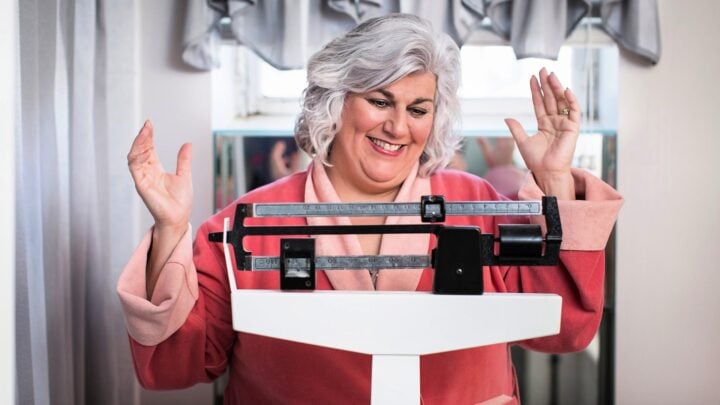
It’s never too late to make a difference
For many Australians over 60, managing weight can feel harder than it used to. Slower metabolism, changing routines, and health conditions can all play a role.
But when it comes to type 2 diabetes, even small changes can have a big impact.
Carrying extra weight – especially around the middle – can make it harder for your body to use insulin properly. Over time, this can lead to higher blood sugar levels and increase your risk of serious complications, including heart disease, nerve damage and joint issues.
The encouraging news? You don’t need to overhaul your entire life. Research shows that losing just 5–10 per cent of your body weight can significantly improve blood sugar control and reduce your risk.
Why weight and diabetes are so closely linked
Excess body fat doesn’t just sit there – it actively affects how your body works.
Fat tissue releases hormones and inflammatory chemicals that interfere with insulin, making it harder for glucose to move from your bloodstream into your cells. This process, known as insulin resistance, is a key driver of type 2 diabetes.
There’s also a bit of a vicious cycle at play. Diabetes itself can sometimes lead to weight gain, and certain medications may contribute as well. It’s a two-way relationship that can feel frustrating – but it’s not irreversible.
5 practical tips to help manage your weight
The key is consistency, not perfection. These simple strategies can make a meaningful difference over time.
1. Focus on what’s on your plate
You may have heard the saying: you can’t out-exercise a poor diet. There’s truth in it.
Highly processed foods and refined carbohydrates – like white bread, pastries and sugary snacks – can cause rapid spikes in blood sugar.
Instead, aim to fill your plate with:
- Plenty of vegetables and some fruit (think leafy greens, berries, apples)
- Whole grains such as oats, brown rice and barley
- Lean protein like fish, eggs, legumes and yoghurt
- Healthy fats including olive oil, nuts and avocado
It’s not about strict dieting – just making better everyday choices.
2. Keep an eye on portion sizes
Portion creep is real – and it’s easy to underestimate how much we’re eating.
A simple approach is to build meals around protein first. A serve about the size of your palm is a good guide. Then add vegetables, a small portion of carbohydrates, and some healthy fats.
This can help you feel fuller for longer without overeating.
3. Eat more fibre and whole foods
Fibre plays a surprisingly powerful role in managing blood sugar.
It slows down how quickly glucose is absorbed and helps keep levels stable. It also supports gut health and can help control appetite.
Try to include:
- Whole fruits instead of juices
- Vegetables at most meals
- Whole grains over refined options
Cutting back on ultra-processed foods – even gradually – can make a noticeable difference.
4. Move more – your way
Exercise doesn’t have to mean long gym sessions or high-intensity workouts.
In fact, simple, regular movement can be just as effective – especially if you stick with it.
You might try:
- A short walk after meals
- Gentle strength exercises like squats or wall push-ups
- Increasing your daily steps
Strength-based movements are particularly helpful, as muscles use glucose for energy—helping to lower blood sugar naturally. The best activity is the one you’ll actually keep doing.
5. Don’t overlook sleep and stress
Sleep and stress have a bigger impact on your health than many people realise.
Poor sleep and high stress levels can raise blood sugar and make it harder to maintain a healthy weight. They can also leave you feeling too tired to stay active.
Simple habits can help:
- Go to bed and wake up at consistent times
- Limit screens before bed
- Try gentle relaxation techniques like deep breathing or meditation
- Cut back on late-night caffeine or alcohol
Why quick fixes often don’t last
It’s tempting to look for a fast solution – but extreme diets rarely work in the long term.
When you drastically cut calories, your body can go into “survival mode”, slowing your metabolism and increasing hunger hormones. That’s why weight often comes back once normal eating resumes.
Medications for weight loss and diabetes management are becoming more common, but they’re not suitable for everyone. It’s important to speak with your GP before considering any new treatment.
Small steps, lasting results
Managing your weight – and your diabetes risk – isn’t about perfection.
It’s about making small, sustainable changes that fit your lifestyle.
A short walk, a better breakfast choice, an earlier night – these things may seem minor, but over time, they can add up to real improvements in your health and wellbeing.
And at any age, that’s worth investing in.
IMPORTANT LEGAL INFO This article is of a general nature and FYI only, because it doesn’t take into account your personal health requirements or existing medical conditions. That means it’s not personalised health advice and shouldn’t be relied upon as if it is. Before making a health-related decision, you should work out if the info is appropriate for your situation and get professional medical advice.





 Proudly Australian owned and operated
Comments 0
Join the conversation. Comments are reviewed before they appear.
Be the first to comment.
Join the conversation
Tell us who you are to post a comment. We'll remember you next time.