
It’s Time to Talk About Dementia and Travel – Before It’s Too Late to Ask



There’s a particular kind of grief that comes before the grief itself, one that many families living with a dementia diagnosis know intimately: the quiet decision to stop planning trips, stop booking flights, stop imagining a future that includes the places you always meant to see together. It happens gradually, almost without anyone deciding it out loud. And for many families, once travel stops, it never quite starts again.
A new national survey suggests it doesn’t have to be this way, and the timing couldn’t be more relevant, landing just ahead of Dementia Action Week (21-27 September) and World Tourism Day on 27 September.
The scale of the issue in Australia
According to Dementia Australia’s most recent figures, an estimated 446,500 Australians are currently living with dementia in 2026, a number projected to more than double to over one million by 2065. Around 1.7 million Australians are involved in caring for someone living with the condition, and significantly, two in three people with dementia are living in the community, not in residential care, meaning the vast majority of families facing this diagnosis are still very much living ordinary lives, including the ones that involve travel. Dementia also isn’t confined to old age alone, with an estimated 29,000 Australians currently living with younger onset dementia, diagnosed between the ages of 18 and 65.
Given how many families this touches, the question of whether travel is still possible after a diagnosis isn’t a niche concern. It’s one an enormous number of Australian families are quietly grappling with, often without anyone telling them there might be another way to think about it.
What the new survey found
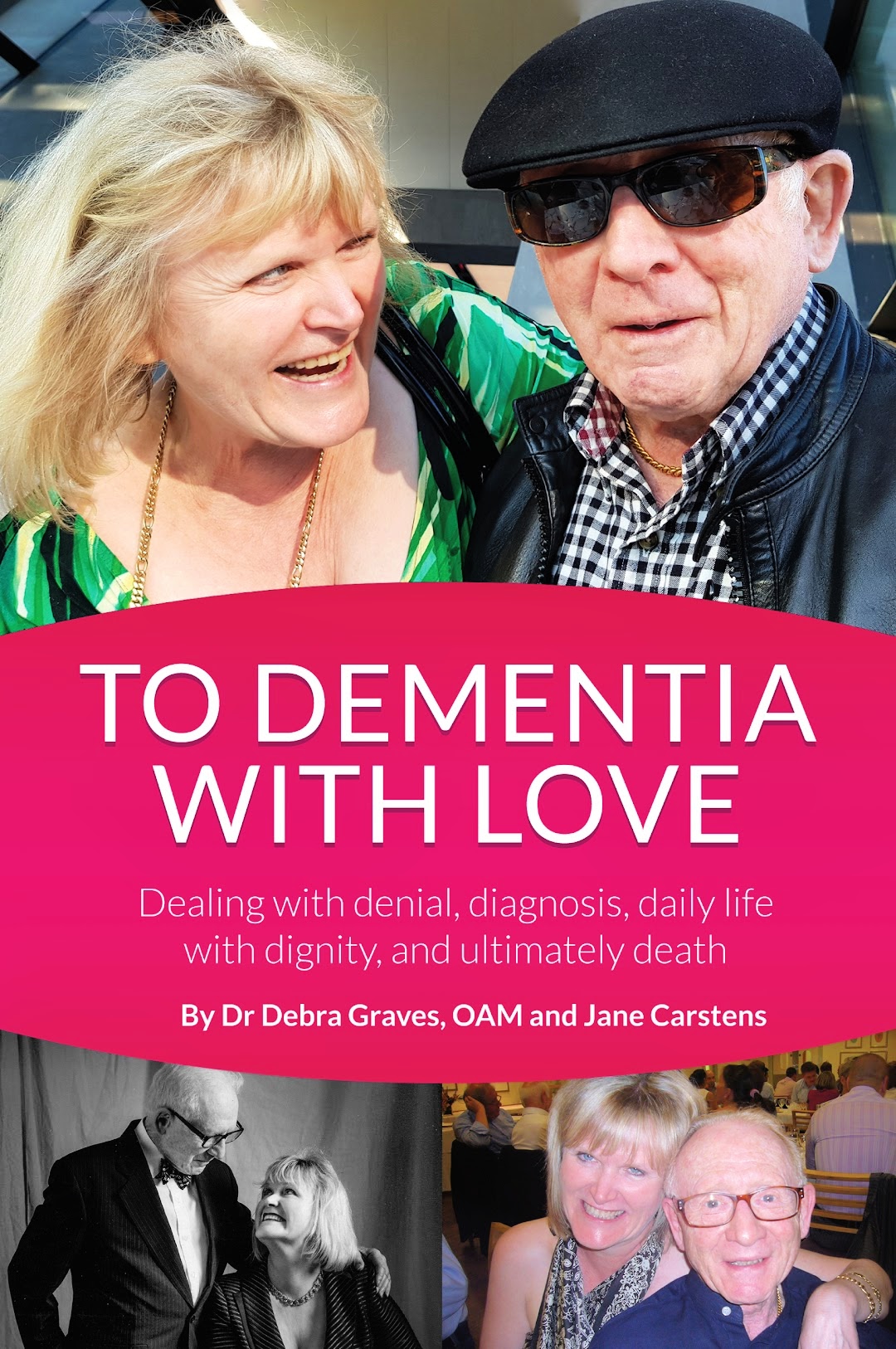
The survey, commissioned by dementia and carers’ advocate Dr Debra Graves OAM, co-author of To Dementia With Love, surveyed more than 1,000 Australians on their attitudes toward travelling with someone living with dementia. The results challenge the common assumption that a diagnosis automatically means travel has to stop.
More than eight in ten respondents, 83.47 per cent, said they would consider some form of travel with someone who has dementia. Preferences leaned toward shorter, local trips, with 42 per cent favouring this option, while 17.43 per cent would consider longer regional trips of a few hours, and 14.54 per cent would consider domestic travel between major Australian cities. Close to 10 per cent said they’d consider international travel, including 4.48 per cent open to nearby destinations like New Zealand and the Pacific Islands, and 4.98 per cent willing to consider long-haul travel to destinations such as Europe, Asia or North America.
The survey also found strong support for personalised dementia care, with more than 66 per cent of respondents saying an approach that takes a person’s individual interests, likes and dislikes into account would be either “very” or “extremely” beneficial.
Why the question itself needs to change
For Dr Graves, the real opportunity here isn’t simply proving that people are willing to travel with someone who has dementia. It’s changing the conversation entirely.
“Too often, the conversation starts with what someone can no longer do,” Dr Graves said. “I’d much rather we started asking what is still possible, and what would make it possible for more people.”
She believes the more useful question isn’t whether people would travel with someone who has dementia, but what would actually give them the confidence to do it. For some families, she suggests, that might simply be better preparation and information. For others, it could be more understanding from airline and airport staff, genuinely dementia-friendly accommodation, greater flexibility, or simply knowing other families have successfully done it before them. She also points out that the travelling companion deserves just as much consideration as the person living with dementia, given the very real uncertainty and pressure that role can carry.
A personal journey, not just a professional one
For Dr Graves, this isn’t simply an area of advocacy. After her husband Don was diagnosed with dementia, the couple made a deliberate choice to keep travelling together.
“Of course, travelling with dementia wasn’t always easy,” she said. “We had to adapt and we had to think ahead. But we also had wonderful experiences together.”
That’s really the heart of the message she hopes families take from this research. A diagnosis doesn’t have to mean the immediate cancellation of the things that bring genuine joy. Dementia may well change how you travel. It doesn’t automatically mean the journey itself has to end.
Why this matters right now, not eventually
Here’s the part worth sitting with honestly: unlike many other life circumstances, there often isn’t a “we’ll get to it later” with dementia. The condition is progressive, and the window during which travel remains genuinely manageable, even with the adjustments Dr Graves describes, doesn’t stay open indefinitely. Waiting for the “right time” can very easily mean the time quietly passes altogether, and the trip that was always meant to happen simply never does.
Dr Graves’ call to the tourism industry, and to families themselves, is a simple reframe: stop starting with “can they travel?” and start asking “how can we help them travel?”
If you’re navigating a dementia diagnosis in your own family and travel has felt like something you’ve had to quietly give up, this research is a genuine invitation to ask the question again, properly, rather than assuming the answer is already no.
This article is general in nature. If you or someone you love is living with dementia, the National Dementia Helpline (1800 100 500) is available 24 hours a day, seven days a week, for free and confidential information and support.
IMPORTANT LEGAL INFO This article is of a general nature and FYI only, because it doesn’t take into account your personal health requirements or existing medical conditions. That means it’s not personalised health advice and shouldn’t be relied upon as if it is. Before making a health-related decision, you should work out if the info is appropriate for your situation and get professional medical advice.





 Proudly Australian owned and operated
Comments 1
Join the conversation. Comments are reviewed before they appear.
My husband was diagnosed with MCI eight years ago and it progressed to Vascular Dementia three years later. We have continued to travel both locally and internationally. For the overseas travel we prefer cruising and have visited Canada and Alaska, cruised to Tasmania and twice to NZ. With cruising I get a decent holiday too. My husband wears his Sunflower Hidden Disability lanyard which is well recognised these days. This helps greatly when going through airport security.
Join the conversation
Tell us who you are to post a comment. We'll remember you next time.