
Age-related forgetfulness or dementia? What to watch for


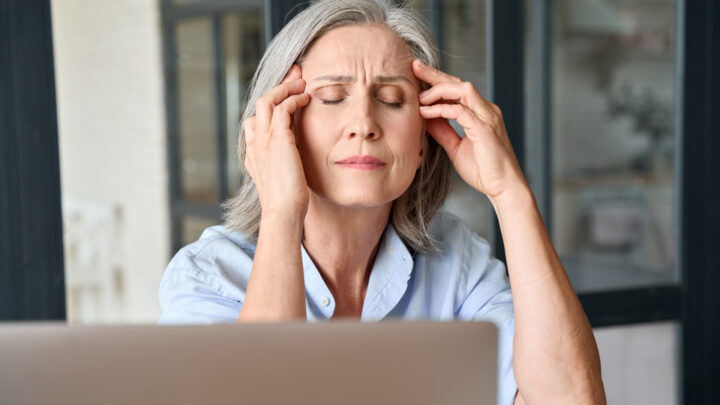
As we get a little older, it’s not unusual to have the odd lapse in memory. Forgetting where you left the keys or pausing to remember a name or word is something most of us experience from time to time.
But telling the difference between normal forgetfulness and the early signs of dementia isn’t always easy. The symptoms can look quite similar, even though ordinary memory lapses are usually just a natural part of ageing, while dementia is a more serious and ongoing decline in memory and thinking skills.
At Starts at 60, we’ll walk you through the key differences between forgetfulness and dementia and how to seek a proper diagnosis.
Age-related forgetfulness and dementia: An overview
A little forgetfulness is a normal part of ageing. As our brains change, we might process information more slowly or find memory slips happening more often.
These lapses can be frustrating, but they usually don’t affect daily life or independence. Dementia, however, is different — it involves a more serious and progressive decline in memory, thinking, and reasoning.
By understanding the difference between everyday forgetfulness and dementia, we can better recognise what’s normal and what might need attention.
Clinical Psychologist and Author, Dr Tracey Zielinski shed some light on both forgetfulness and dementia, explaining that “forgetfulness, as we get older, is largely due to normal age-related changes in the brain.”
“These changes mean that you process new information more slowly, need to concentrate more to remember someone’s name when you’re first introduced, and have reduced working memory space,” Zielinski says.
Dementia, on the other hand, is “not the same as normal ageing”, according to Zielinski.
“While dementia can strike different people in different ways, affecting different parts of the brain at different times and progressing at different rates, the most common and well-known type of dementia is Alzheimer’s disease,” she explains.
“Alzheimer’s progresses gradually and typically impacts the memory early on.
“Symptoms of Alzheimer’s disease include repetition of conversations without awareness of having said the same thing to the same person earlier. There might be problems learning new information, such as how to use a new device, or remembering something you told them.
“They may struggle with remembering where information came from – the source of the information – so they may not recall who said what. They may also have difficulty remembering the order in which things happened. They may get lost or disoriented in a relatively familiar place.”
How to tell the difference
So how do we separate ordinary forgetfulness from dementia in everyday life?
Zielinski tells Starts at 60 that a key determining factor in knowing the difference is that forgetfulness “doesn’t last”.
“Your memory clicks into gear with a prompt or cue, the word you were looking for turns up in your mind a little later, when you find your keys you can remember the circumstances that led you to leaving them there in the first place,” Zielinski says.
“If you are experiencing normal age-related forgetfulness, you are likely still functioning well, still capable of learning new information and adapting to new situations. It just takes a little more time and effort to learn new stuff or to come up with the solution to a problem than it did when you were younger.”
However, if you are experiencing the symptoms of dementia then “cueing or prompting is less likely to help them remember. They won’t necessarily recall having said the same thing previously.”
“New learning is problematic, and they are less likely to adapt readily to new situations or be able to problem-solve complex issues,” Zielinski explains.
“Often, if a person has a well-entrenched routine, it may not be obvious they have dementia until they have to adapt to a new situation. So, for example, if asked to make a cup of tea and piece of toast in a strange kitchen, they may struggle to do so.”
When to seek professional help
If your forgetfulness feels like more than the usual lapses, or you simply want peace of mind, it’s worth knowing that help is available.
Speaking with a doctor is a proactive step. Your GP — or a specialist such as a geriatrician or neurologist — can run checks to see what’s really going on. These may include memory tests, physical exams, or brain scans.
Getting assessed not only helps distinguish between normal forgetfulness and dementia but also provides reassurance, guidance, and, if needed, the right treatment or support.
A Mini-Mental State Examination (MMSE) is often the go-to when screening for dementia. The test includes a set of 11 questions that medical professionals will use to determine any cognitive impairment.
There are also a number of other cognitive screens that may be carried out, some of which include:
- The Alzheimer’s Disease Assessment Scale
- Montreal Cognitive Assessment
- Rowland Universal Dementia Assessment Scale (RUDAS),
- Addenbrooke’s Cognitive Assessment (ACE).
Zielinski suggests that “if you suspect a family member is experiencing dementia, you might ask their GP for a referral to a Memory Clinic.”
“At a memory clinic, a geriatrician will carry out a range of screening tests and possibly refer the person for a neuropsychological assessment which includes comprehensive testing of cognitive function and is helpful in providing a definitive diagnosis,” Zielinski says.
It’s normal to have the odd memory slip as we age, but dementia is different — it’s a more serious and ongoing decline in memory and thinking.
By recognising the difference, we can better understand our brain health and know when to seek help. Catching dementia early makes a big difference, giving us more options for care and helping to protect quality of life for ourselves and our loved ones.
Read more: Supporting a loved one with dementia: Family strategies for connection and understanding
IMPORTANT LEGAL INFO This article is of a general nature and FYI only, because it doesn’t take into account your personal health requirements or existing medical conditions. That means it’s not personalised health advice and shouldn’t be relied upon as if it is. Before making a health-related decision, you should work out if the info is appropriate for your situation and get professional medical advice.





 Proudly Australian owned and operated
Comments 0
Join the conversation. Comments are reviewed before they appear.
Be the first to comment.
Join the conversation
Tell us who you are to post a comment. We'll remember you next time.