
Bladder leaks? 10 practical ways to manage them


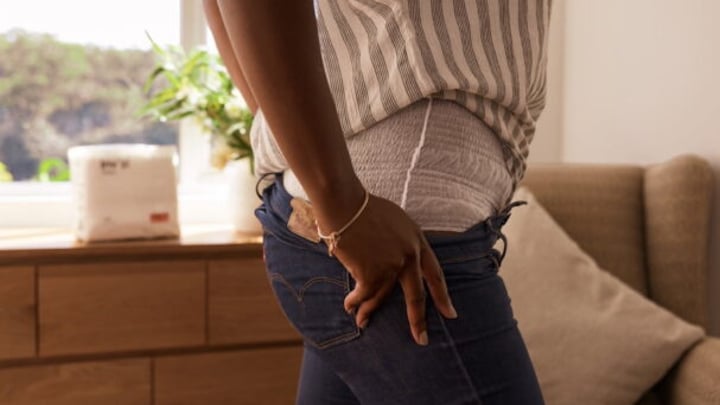
You laugh. You sneeze. You lift a grandchild, get out of the car or suddenly realise the nearest toilet is considerably further away than you’d like.
Then comes that little leak.
If it sounds familiar, you’re in very large company. Continence Health Australia estimates one in three Australians aged over 15 experiences incontinence — more than 7.2 million people. Almost four in 10 Australian women and two in 10 men are affected.
Bladder leakage also becomes more common as we age, but that doesn’t mean you simply have to accept it as another inevitable part of getting older.
There are different types and causes of urinary incontinence, and there are treatments and practical changes that can help. In the meantime, the right protection can make the difference between staying home and getting on with your day.
Here are 10 sensible places to start.
1. Keep a bladder diary
For a few days, write down what and how much you drink, when you go to the toilet, when leaks occur and what you were doing at the time.
Patterns can emerge surprisingly quickly.
Healthdirect says doctors may also ask patients to keep a bladder diary when investigating urinary incontinence, so taking one to an appointment can provide useful information.
Explore the Invizi range and receive 20 per cent off using the exclusive code LINKI20.
2. Don’t simply stop drinking
Drinking less might seem like the obvious answer. Less in, less out, right?
Unfortunately, it’s not quite that simple.
Healthdirect advises drinking enough fluid throughout the day and warns against making major changes without medical advice. For many people, around 1.5 to two litres a day is typical, although individual needs vary and some medical conditions require fluid restriction.
Rather than drinking large amounts at once, spread your fluids across the day.
3. See what happens when you cut back on coffee and alcohol
That morning flat white may not be helping.
Caffeine and alcohol can irritate or stimulate the bladder in some people. Fizzy drinks and some acidic or spicy foods can also cause trouble.
You don’t necessarily need to abandon your morning coffee forever. Try reducing potential triggers one at a time and use your bladder diary to see whether anything changes.
4. Use protection that matches what’s actually happening
There can be a reluctance to buy continence products because it somehow feels like admitting defeat.
It isn’t.
Protection simply lets you keep doing what you want to do while you address the underlying problem.
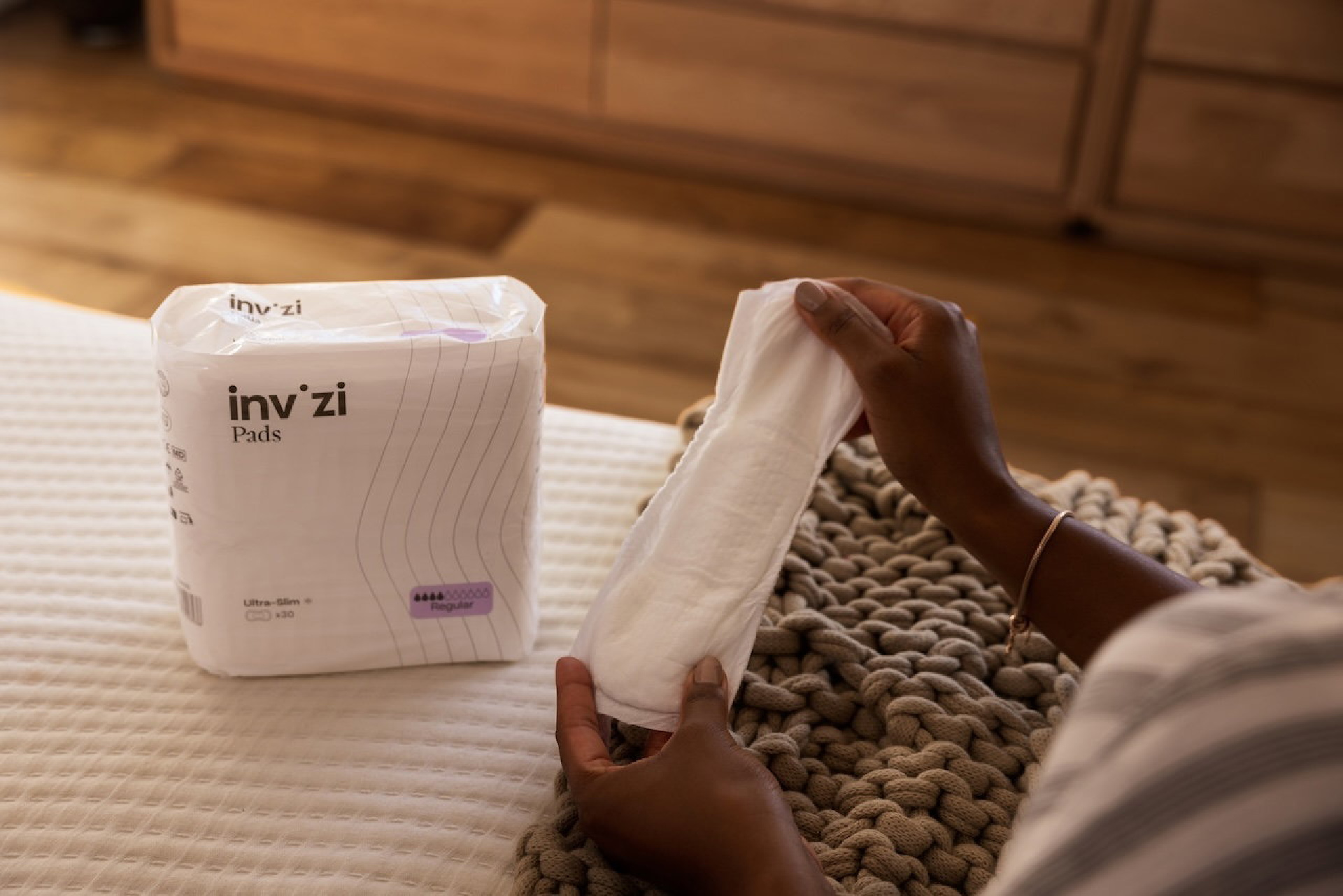
Australian-owned Invizi, for example, offers different options depending on what you’re experiencing. Its pads come in four absorbency levels for different degrees of leakage, while its male guards are shaped specifically for men and worn inside normal underwear.
For heavier leaks or full bladder voids, Invizi also makes pull-up pants that are worn much like ordinary underwear.
The point isn’t to buy the biggest product available. It’s to find protection appropriate for your needs.
5. Give your pelvic floor some attention
Pelvic floor exercises aren’t just for women after childbirth.
The pelvic floor muscles support the bladder and bowel, and Healthdirect says regular pelvic floor exercises can strengthen these muscles and may improve bladder-control symptoms.
Technique matters, though. If you’ve been diligently squeezing away without knowing whether you’re exercising the right muscles, a pelvic health physiotherapist, continence nurse or GP can help.
And don’t expect overnight results. Consistency is more useful than occasionally attacking the exercises with enthusiasm.
6. Stop going ‘just in case’
Heading to the toilet before leaving home makes sense. Going every time you pass one because you might need it later can be another matter.
Healthdirect specifically advises against routinely going to the toilet “just in case”, apart from before bed.
Bladder training can also help some people gradually improve control and increase the amount their bladder can comfortably hold. A doctor or continence health professional can advise whether it’s appropriate for you.
7. Don’t overlook constipation
Your bowel and bladder are close neighbours, and problems with one can affect the other.
Constipation can contribute to urinary incontinence and put additional pressure on the pelvic floor. Drinking appropriate amounts of fluid, eating enough fibre, staying active and avoiding straining on the toilet can all help.
A small footstool can also improve your position when opening your bowels.
8. Take some pressure off the pelvic floor
Carrying excess weight can place additional pressure on the bladder and pelvic floor and is recognised as a risk factor for urinary incontinence.
That doesn’t call for a crash diet.
If weight is contributing to the problem, gradual, sustainable changes to food and physical activity may help your bladder as well as your broader health.
9. Learn to deal with the sudden urge
That desperate “I need a toilet now” feeling can trigger panic and a dash for the bathroom.
Bladder training and pelvic-floor techniques may help people manage urgency. Instead of immediately rushing, try to remain calm, breathe slowly and use the pelvic floor muscles you’ve been practising.
Once the initial urge settles, walk normally to the toilet rather than making a frantic sprint for it.
10. Talk to someone who deals with this every day
Perhaps the most important step is also the one many of us postpone.
See your GP if you’re having difficulty controlling your bladder.
Incontinence has different causes, from weakened pelvic floor muscles and prostate problems to constipation, urinary tract infections, medications and other health conditions. Treatment depends on what’s causing yours.
Your GP can also refer you to a pelvic health physiotherapist, continence nurse or specialist if needed.
Protection while you work on the problem
Pelvic floor work, bladder training and lifestyle changes can take time. Life doesn’t have to go on hold while you’re working on them.
Invizi’s range is designed around different needs rather than a one-size-fits-all approach.
Its pads range through four absorbency levels, with the Maxi Plus holding up to 1000mL under ISO testing. Male Guards come in two levels, with Level 3 holding up to 650mL. For heavier leakage and full bladder voids, Invizi Maxi Pull-Up Pants offer up to 2200mL of ISO-tested absorbency.
The products are designed to sit discreetly under clothing, and Invizi offers home delivery and subscriptions.
Which brings us back to where we started.
The coffee with friends. The walk. The grandkids. The road trip. An afternoon at the movies without spending half of it wondering where the toilets are.
Bladder leaks are common, but they don’t need to quietly dictate what you do or where you go.
Ready to find the right protection for you? Explore the Invizi range and receive 20 per cent off using the exclusive code LINKI20. You can also contact the Invizi team on 1800 86 11 99 or [email protected].
This article contains sponsored links. If you have new, persistent or worsening bladder-control problems, speak with your GP or another qualified health professional.
IMPORTANT LEGAL INFO This article is of a general nature and FYI only, because it doesn’t take into account your personal health requirements or existing medical conditions. That means it’s not personalised health advice and shouldn’t be relied upon as if it is. Before making a health-related decision, you should work out if the info is appropriate for your situation and get professional medical advice.





 Proudly Australian owned and operated
Comments 0
Join the conversation. Comments are reviewed before they appear.
Be the first to comment.
Join the conversation
Tell us who you are to post a comment. We'll remember you next time.