


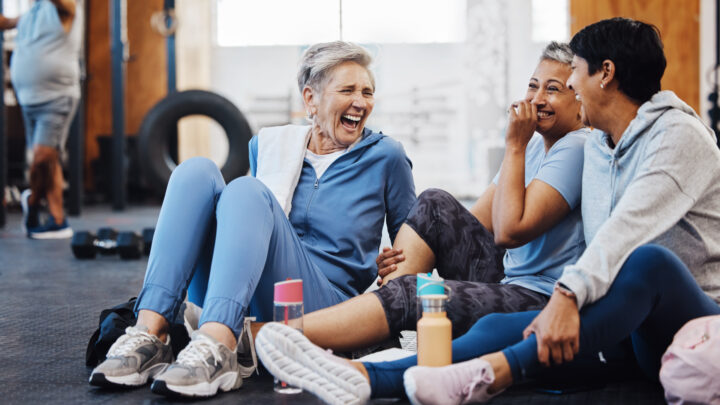
For many of us, getting older means looking forward to retirement, more time spent with family, and new adventures – and ageing well is the key to enjoying it all.
Now, researchers from Nottingham Trent University (NTU) have explored what ageing well looks like as part of a new study in which 15 participants aged between 56 and 86 took part in interviews with psychologists to share how they were living well as they age.
While good health plays a role, the findings reveal that ageing positively involves a mix of emotional, social, and mental factors that work together to create a fulfilling later life.
Close relationships: Supportive bonds with partners, family, and friends gave participants a sense of security and freedom to be themselves.
Intergenerational connections: Spending time with both older and younger people brought joy, energy, and a deeper sense of purpose.
Keeping the mind active: Engaging in hobbies, learning new skills, or exploring personal interests helped participants stay mentally sharp and curious.
Giving back: Volunteering, caring for loved ones, or contributing to the community provided a strong sense of fulfilment and meaning.
Interestingly, participants who aged positively didn’t shy away from the realities of getting older.
Dr Miriam Sang-Ah Park, lead researcher and principal lecturer at NTU’s School of Social Sciences, said the findings highlight just how powerful our mindset can be.
“Our findings suggest that how older adults feel and think about their ageing is more important than the actual physical changes they go through. We see that positive feelings come from their own thoughts and interpretations, not just from the reality of getting older,” she said.
“Our interviewees told us that they often felt overlooked and negatively viewed or patronised, particularly by younger generations, but, despite this, they accepted themselves as they are and weren’t confined by the age-related expectations that society puts on them.”
The study suggests that policies and programs supporting older adults should go beyond focusing solely on physical health and instead take a person-first approach – recognising the greater needs that shape positive ageing.
Read more: The art of ageing gracefully: How wellbeing in later life could be just a brushstroke away
IMPORTANT LEGAL INFO This article is of a general nature and FYI only, because it doesn’t take into account your personal health requirements or existing medical conditions. That means it’s not personalised health advice and shouldn’t be relied upon as if it is. Before making a health-related decision, you should work out if the info is appropriate for your situation and get professional medical advice.





 Proudly Australian owned and operated