
7 habits worth changing for a healthier liver


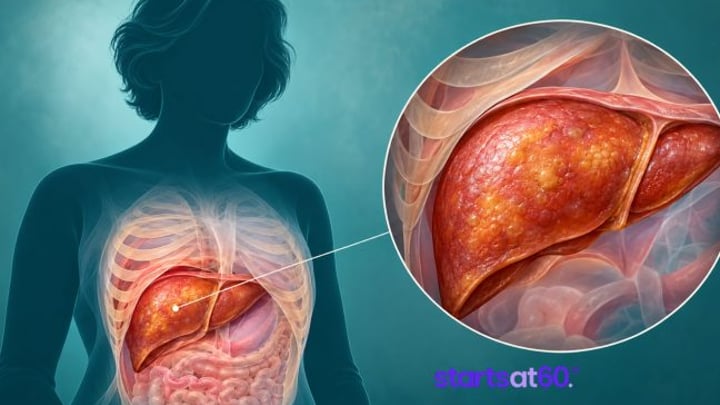
From evening snacking to what’s in your glass, everyday choices can help you look after your liver. But how much does meal timing really matter?
Dinner’s over and the kitchen is clean, but the biscuit tin is still doing business. A couple with a cuppa, something else during the next show, then a final rummage before bed. Sound familiar?
We tend to think about liver health in terms of alcohol, yet our eating habits deserve attention too. Researchers are investigating how the timing of meals interacts with the body’s internal clock, including the way we process food and regulate blood sugar.
That doesn’t mean dinner at eight is dangerous or that everyone should start fasting. In a 12-month trial involving 88 adults with obesity and fatty liver disease, an eight-hour eating window offered no significant additional reduction in liver fat compared with daily calorie restriction. Both groups improved.
For those of us over 60, there are useful changes to consider without making every meal an exercise in clock-watching.
1. Give your meals some structure
When work stops setting the timetable, it’s easy for meals to drift. Lunch becomes toast at three, then dinner arrives before you’ve had much chance to get hungry.
Choose approximate mealtimes that fit your day. Planning lunch before heading out, or having something ready when you get home, can help you avoid grabbing whatever’s handy.
Treat this as a practical way to organise your eating.
Evidence that a particular schedule will prevent or treat liver disease is still developing.
2. Rethink the very late dinner
If your biggest meal regularly lands just before bedtime, try bringing it forward a little.
Earlier eating is being studied for its possible metabolic benefits, but researchers haven’t established a universal dinner deadline for liver health. There’s no reason to worry about the occasional late meal with friends.
If evenings are always a scramble, cooking an extra portion the night before could make an earlier dinner easier. Pick a time that works with your appetite and any medicines you take. As an alternative, go down the YouFoodz, Marley Spoon or Hello Fresh path for cooking, nutrition and easy reheat for the ultimate convenience and no excuse to not stop to a regular earlier time for dinner.
3. Notice what happens after dinner
There’s a difference between enjoying dessert and working your way through the pantry without giving it much thought.
For a few nights, pay attention to what you eat after dinner. Are you hungry, or does sitting down with the television automatically mean opening a packet?
Putting a portion on a plate can help you see how much you’re having. If you’re hungry, eat something satisfying; if you’re simply in the habit of reaching for another biscuit, that’s something you can change.
Anyone with a poor appetite or a medical need for regular snacks should keep those needs in mind.
4. Look at what you’re drinking
An earlier dinner won’t compensate for what’s poured beside it.
Sugary drinks are a useful place to start, so swap a regular soft drink for water with a squeeze of lemon juice or pinch of Celtic salt to help replenish lost electrolytes and promoting better water absorption .
Alcohol also deserves an honest look. If you have fatty liver disease (especially), ask your doctor what’s appropriate for you, because alcohol can cause further liver damage. Having your wine earlier in the evening doesn’t remove that risk.
5. Improve the meal you already enjoy
You don’t have to abandon familiar dinners to eat better. Add more vegetables to the plate, use beans or lentils in a casserole, or choose wholegrain bread when it suits.
Replacing some saturated fat with unsaturated fats, such as those in olive oil, is another change recommended in dietary guidance for fatty liver disease.
Keep meals satisfying, with a source of protein such as eggs, fish, chicken or legumes. Some greens (vegetables) and tinned beans make this easier without adding much preparation.
If you’re eating poorly or losing weight without trying, get advice before cutting back further.
6. Make movement a regular appointment
Choose a time you’re likely to keep, whether that’s a morning walk or a swim at the local pool.
Physical activity can benefit liver problems even when the scales don’t shift. If your doctor recommends weight loss, gradual changes are preferable to crash dieting, which can worsen liver disease when it leads to rapid weight loss or malnutrition.
Start with an activity that suits your mobility and fitness. Meeting someone for a walk can make it easier to get out the door on the days you’d otherwise stay on the couch.
7. Check before buying a liver supplement
Before spending money on a product promising “liver support”, ask your pharmacist or GP whether it’s suitable. Some herbal products can damage the liver, and supplements may interact with medicines.
Get individual advice before trying a fasting regime, too, especially if you take diabetes medicines, need food with medication or have an existing liver condition. Research on fasting has largely involved younger and middle-aged adults with excess weight, so the findings don’t automatically apply to everyone over 60.
You could begin by planning tomorrow’s lunch or swapping your usual soft drink for water. Give yourself time to see how the change fits before adding another.
IMPORTANT LEGAL INFO This article is of a general nature and FYI only, because it doesn’t take into account your personal health requirements or existing medical conditions. That means it’s not personalised health advice and shouldn’t be relied upon as if it is. Before making a health-related decision, you should work out if the info is appropriate for your situation and get professional medical advice.





 Proudly Australian owned and operated
Comments 0
Join the conversation. Comments are reviewed before they appear.
Be the first to comment.
Join the conversation
Tell us who you are to post a comment. We'll remember you next time.