
Fate of many species rests on stemming bush bulldozing


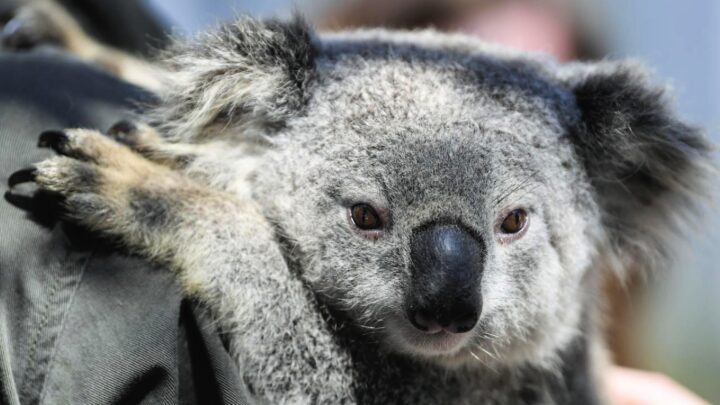
Ten Sydney harbours worth of threatened-species habitat was approved for destruction in 2025 – twice as much as the previous year – to make way for development green-lit under federal environment protections.
Representing the Australian Conservation Foundation’s last audit under the old nature laws, which will finally be toughened up in 2026, the environmental group is hoping for an improvement in habitat loss rates.
“Things are certainly going in the wrong direction,” ACF’s new chief executive officer Adam Bandt said.
“This is a critical opportunity to turn things around,” the former federal Greens leader said.
More than 57,000 hectares of threatened species habitat was approved for bulldozing under the Environment Protection and Biodiversity Conservation Act, double the area green-lit in 2024, and five-and-a-half times more than in 2023.
The federal-approved threatened species habitat loss in 2025 was the worst since 2010.
Total habitat figures are calculated by adding up the land that has been granted approval under federal law for each threatened species, so there is potential for overlap if particular animals call the same areas home.
Mines, energy projects and other development must seek approval under federal environment laws if deemed likely to threaten an endangered species or ecosystem.
Green groups have long warned the laws fail to protect nature and businesses have reported lengthy waits for approval.
The complaints set the scene for landmark reforms that were eventually finalised in late 2025.
Under the changes, Australia will get standardised criteria for assessing projects and a national Environment Protection Agency to enforce better-defined regulations.
Mr Bandt said much hinged on the next six months as the environmental protection standards were written and the EPA set up.
“If the new rules are strong enough to protect species that are currently marching towards extinction, and the national watchdog has some real teeth, then this ship could be turned around.”
Australia is a known global extinction hotspot.
The federal government promised to end the crisis in 2022.
Yet native plants and animals continue to edge closer to extinction, with 42 new species added to Australia’s threatened list.
Five moved closer to the extinct category, including the night parrot, which is now listed as critically endangered.
More than 6000 hectares of the elusive nocturnal bird’s habitat made it through federal environmental protections in 2025, making it the second worst hit by EPBC Act approvals.
The northern quoll, already under pressure from climate change and pests, had the most habitat federally-approved for bulldozing.
One of the areas the carnivorous marsupial calls home is the remote Pilbara region of northern Western Australia, a region with nearly 35,000 hectares of bush approved for bulldozing.
Mr Bandt said the Pilbara accounted for the majority of area approved for bulldozing in 2025 and drove WA’s ascent to the top state for threatened species habitat destruction.
The annual report covers bulldozing approved under federal laws, but represents only a fraction of habitat loss, with vastly more land clearing flying under the radar.
A federal government spokesperson was confident the changes to the environmental laws and other measures, such as a recent purchase of a cattle farm to expand a national park, would do more to protect threatened species and their habitat.
“Under the reforms, projects will need to demonstrate a net gain for nature to receive approval, providing stronger protections for threatened species and their habitats.”





 Proudly Australian owned and operated
Comments 0
Join the conversation. Comments are reviewed before they appear.
Be the first to comment.
Join the conversation
Tell us who you are to post a comment. We'll remember you next time.