
Barry Creyton: Beyond Togetherness – A Life on Stage, Screen and His Own Terms


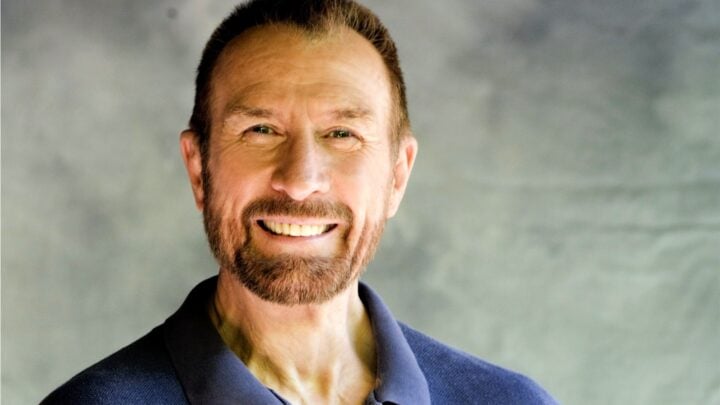
Brisbane in the 1940s and ’50s was a city of contradictions – quiet, conservative, and sprawling, yet rich with possibility for those willing to seek it out.
For a young Barry Creyton, growing up in a household untouched by books or theatre, the dream of performance seemed almost implausible. And yet, tucked within the city were lifelines: matinees at His Majesty’s Theatre, afternoons spent in the public library, and the discovery – almost by accident – of a thriving amateur theatre scene. These became his education, his escape, and ultimately, his beginning.
It was here, in a place that outwardly resisted ambition, that Creyton’s creative instincts took root. By his late teens, he was not only performing but earning recognition, laying the groundwork for a career that would take him far beyond Queensland – to Sydney, London’s West End, New York, and Los Angeles. Brisbane, in all its restraint, had quietly done its job.
His last visit, decades later, was marked by reflection rather than reinvention. Returning for his mother’s funeral, Creyton revisited the streets and landmarks of his youth with his brother – schools, holiday houses, fragments of memory both tender and difficult. It was, in many ways, a closing chapter: a final, complex farewell to the city that shaped him, even as his life had long since unfolded elsewhere.
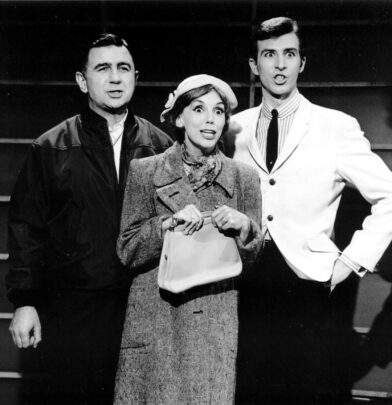
Celebrating the publication of Barry Creyton’s memoir ‘Beyond Togetherness – A Life’; dear friends Maggie Dence, Jonathan Biggins and Phil Scott came together to create this 2026 take on the classic Mavis Bramston Show satirical ditty “Togetherness”. Some sharp new lyrics created by Phil Scott – added to Barry’s original composition.
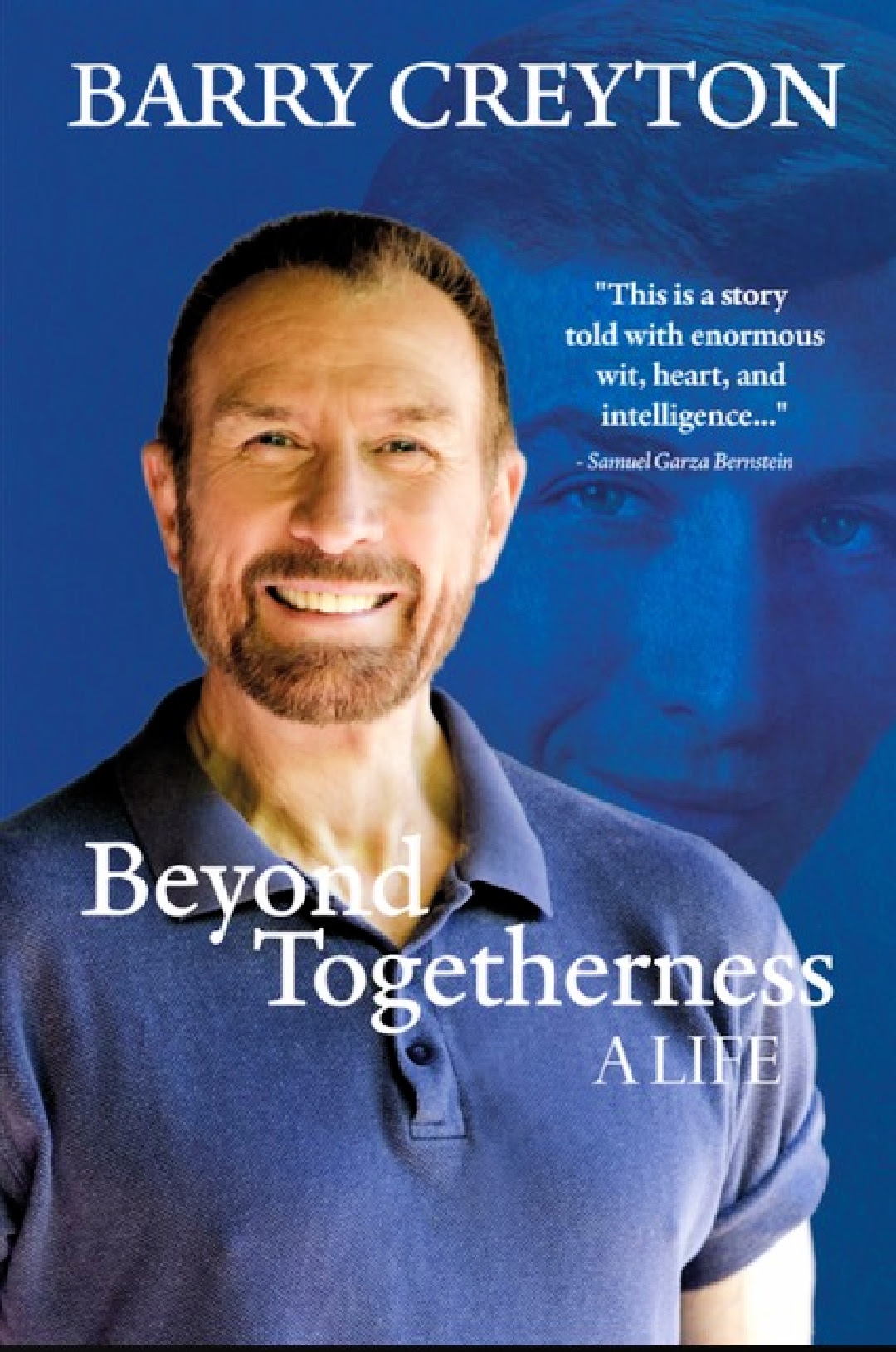
Now, with more than 70 years in the arts behind him, Creyton reflects on identity, resilience, and a life lived unapologetically on his own terms with the publication of his book – Beyond Togetherness A LIFE
Q: You grew up in Brisbane at a time when it wasn’t exactly a cultural hub. What do you remember most about those early years?
A: Brisbane in the ’40s and ’50s felt conservative and limiting on the surface – hardly the ideal place for a budding actor. My parents had no interest in theatre or books, which made my curiosity all the more puzzling to them. But I found my own way through libraries, galleries, and theatre matinees. The turning point came at 16 when I discovered Brisbane’s amateur theatre scene. Suddenly, it felt possible. From there, everything changed.
Q: You’ve spoken openly about being a young gay man in that era. How did you navigate that?
A: It wasn’t easy, but I learned quickly how to protect myself. I was aware of my sexuality quite young and understood the risks. What mattered was that I never carried guilt or shame – that was never part of my story. Once I gained independence, my late teens were genuinely happy years.
Q: What pushed you to leave Australia and pursue your career abroad?
A: After television success in Australia, I was being offered hosting roles rather than acting work. Acting was always my goal, so I left for London in 1968 to start again. That decade in the UK was invaluable – stage, television, radio. It expanded my range and gave me the grounding I needed.
Q: And then came the United States?
A: Yes, initially New York, which had extraordinary energy – especially Broadway at the time. Then Los Angeles, almost by accident, after a screenplay opportunity. California became home. Each country shaped me differently, not just professionally but personally. Living within different cultures teaches you how to write – and live – with nuance.
Q: The Mavis Bramston Show remains iconic. Did you realise its impact at the time?
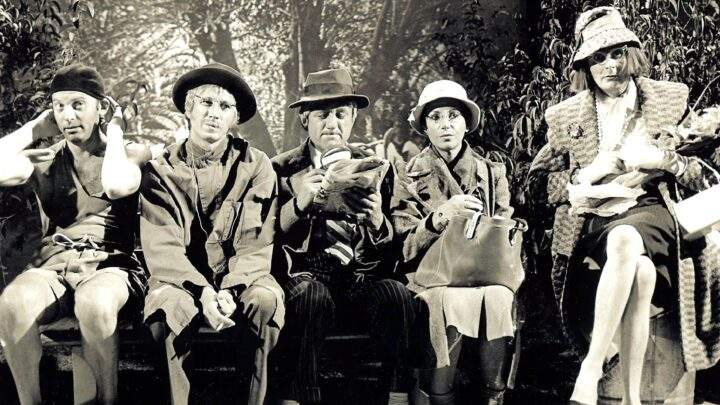
A: Not at all. We assumed it would fade like most television. But it struck a nerve – it challenged conservative attitudes with satire. The chemistry between the cast was key. We looked like establishment figures delivering anti-establishment material. That contrast made it powerful.
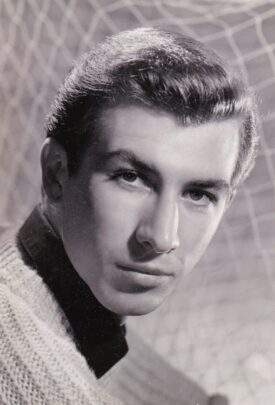
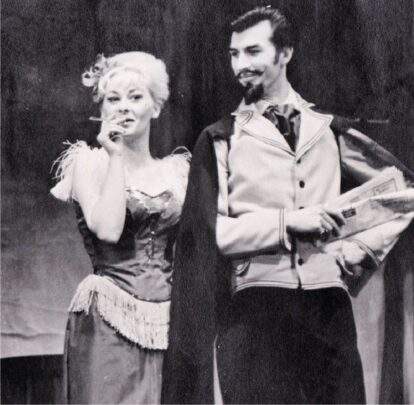
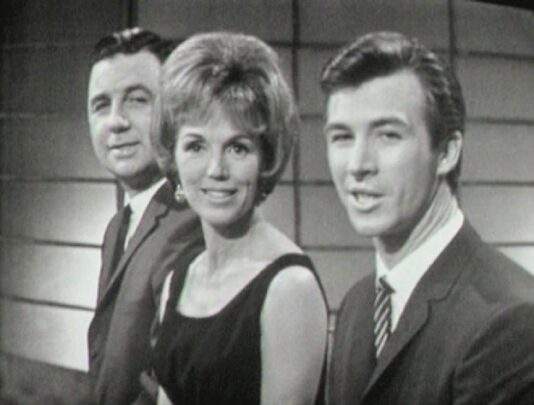
Q: You’ve worked across so many creative fields. How do you see your career?
A: As one continuous journey. Acting, writing, directing – they’re all connected. I was warned about being a “jack of all trades,” but I think I’ve managed to build depth across several areas.
Q: What inspired you to write your memoir?
A: A push from Noeline Brown, quite frankly. I hadn’t planned to write about my life, but she convinced me I had something worth saying.
Q: Was there anything difficult to revisit?
A: Yes – the year I experienced a nervous breakdown in London. It was a painful period, and I tend to look forward, not back. But it was essential to include.
Q: You’ve lived through enormous social change, particularly around sexuality. How has that shaped you?
A: Interestingly, much of that change passed me by personally – I was already living my life as I chose. But I recognised its importance for others. Marriage equality, I admit, I embraced with a touch of practicality – “joint taxes” came to mind.
Q: What would you say to people later in life who still feel there’s more to do?
A: There always is. Creativity doesn’t have an expiry date. There’s always more to explore, express, and discover.
Q: If you could speak to your younger self in Brisbane, what would you say?
A: Then: this will pass. Now: stay for the next chapter.
Q: Finally, when was the last time you were in Brisbane, and what did you do?
A: Sadly it was for my mother’s funeral. Against her wishes, the funeral directors had given us an open coffin. All my life, my mother and I had had a very shaky relationship, yet to see this bitter, irrational, angry woman in such a state of peace at last was very moving. On that trip, I spent a great deal of time with my brother as we drove around all the haunts of our childhood – primary school, high school, the seaside house we rented at Christmas, and so on. It reminded me of the good and the bad times – a kind of final farewell to the city as my home was already in California.
CLICK HERE to buy Barry Creyton’s new book: Beyond Togetherness A LIFE





 Proudly Australian owned and operated
Comments 0
Join the conversation. Comments are reviewed before they appear.
Be the first to comment.
Join the conversation
Tell us who you are to post a comment. We'll remember you next time.