
“Don’t cancel the journey”: Why this carer says a dementia diagnosis doesn’t mean the end of travel



With the Easter break fast approaching and many Australians planning an April getaway, one dementia advocate has a timely message for carers: a diagnosis doesn’t automatically mean the end of travel.
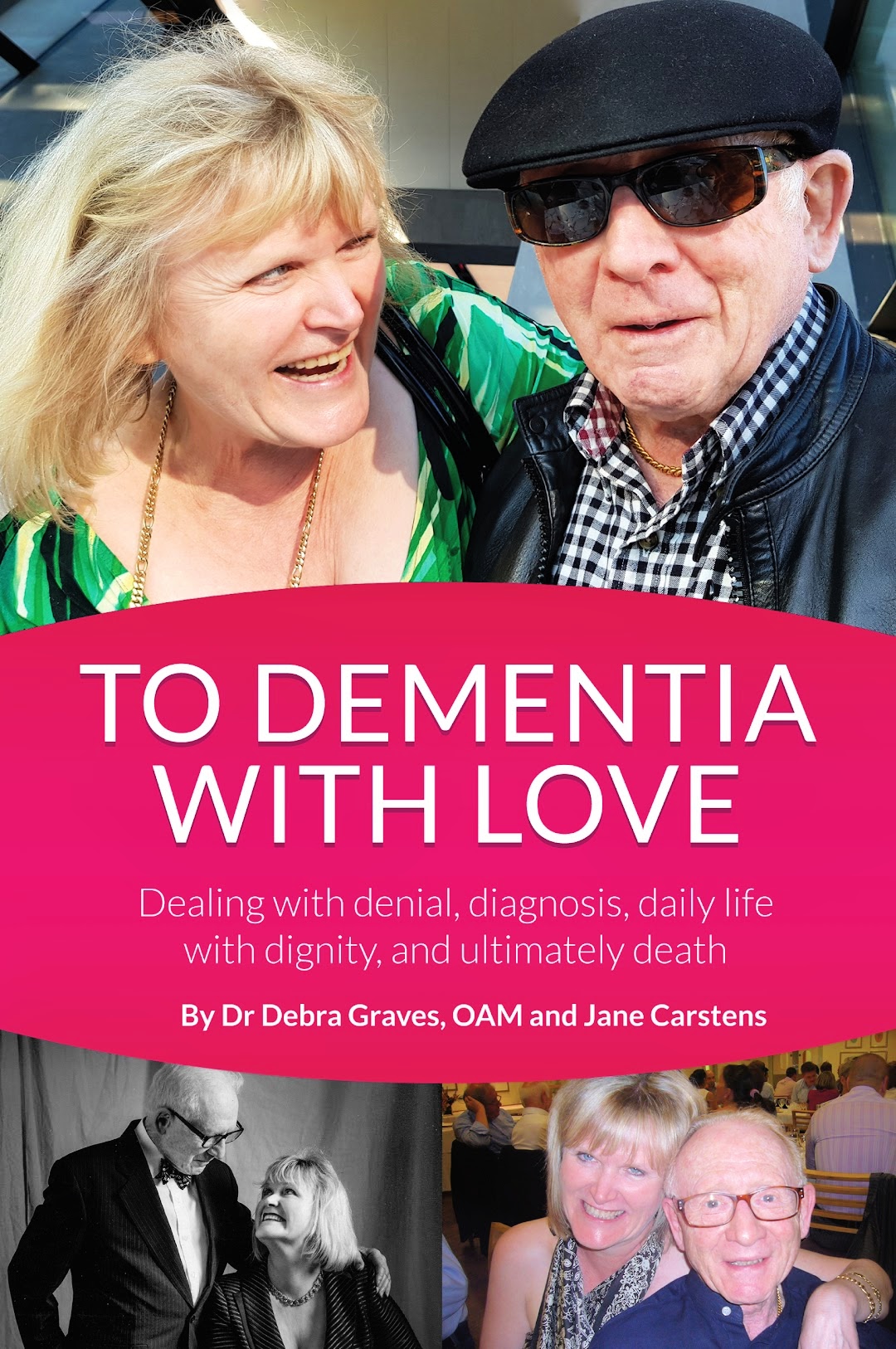
Dr Debra Graves OAM, co-author of To Dementia With Love, is encouraging families to rethink what’s possible after a loved one is diagnosed with dementia.
“Travelling with a loved one who has dementia isn’t for everyone, and it depends entirely on the individual,” Dr Graves says. “But travel was something my husband loved deeply. I decided to try to continue our adventures for as long as we could – even long-haul trips.”
After her husband Don’s diagnosis, Dr Graves chose not to retreat from the life they had built together. Instead of rigidly adhering to routine, she focused on what made him feel most like himself.
“When Don was first diagnosed, I was given books that said we must maintain a strict routine and never deviate,” she says. “But I realised that wasn’t making him happy. I knew my husband better than anyone. Personalised care means honouring who the person has always been – their interests, their passions, their personality.”
For Don, that meant continuing to travel, attend concerts and embrace new experiences. “When we did the things he loved before his diagnosis, he was more present, more content and more himself,” she says.
Australians open to travelling with dementia
New research conducted in September 2025 suggests many Australians share that mindset. The survey of 1,093 people found that if caring for someone living with dementia:
47% would take short local trips
20% would consider longer regional day or weekend trips
14% would travel domestically across Australia
10% would consider international travel
6% would travel to nearby overseas destinations and 4% would attempt long-haul international trips
Only 10% believe travel would not be possible at all
The findings point to a growing willingness to explore life beyond diagnosis – provided the right supports are in place.
Travel as wellbeing
Dr Graves believes travel can support emotional wellbeing for both the person living with dementia and their carer.
“Fellow travellers were often incredibly patient and understanding when we were overseas,” she says. “And when caregiving, the support of family and friends cannot be underestimated. Let people help you. Your community matters.”
Importantly, she adds, dementia does not erase the person.
“There are still moments of joy. You can be confident in carving your own path – one that works for both of you.”
In To Dementia With Love, Dr Graves shares her deeply personal story of preserving dignity, connection and shared experiences throughout her husband’s journey, including continuing to travel.
As Easter approaches, her message to carers is simple: don’t automatically cancel the journey. With planning, flexibility and a focus on the individual, travel can still offer precious moments of connection.





 Proudly Australian owned and operated
Comments 0
Join the conversation. Comments are reviewed before they appear.
Be the first to comment.
Join the conversation
Tell us who you are to post a comment. We'll remember you next time.