
A simple blood test could transform how concussion is diagnosed in Australians over 60


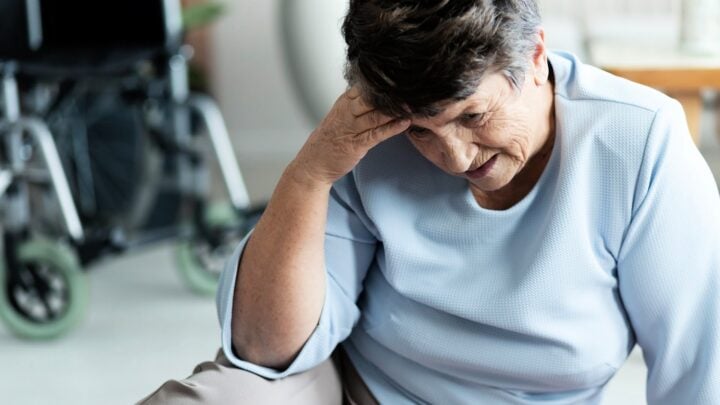
A simple blood test could soon transform the way concussion is diagnosed in older Australians, following promising new research from Monash University and Melbourne’s Alfred Hospital.
The study, published in JAMA Open Network, found that a protein called glial fibrillary acidic protein – known as GFAP – present in a person’s blood plasma can help indicate whether a concussion has occurred. Crucially, this is the first time the technique has been proven effective specifically in older adults, the age group most at risk from the condition.
Why concussion in older Australians is a bigger problem than most people realise
Concussion, or mild traumatic brain injury, is not just a sporting injury. For Australians over 60, it is a significant and growing public health issue – and one that is frequently missed.
Older adults experience the highest rates of concussion-related hospitalisations and deaths of any age group. The injury is most commonly caused by falls, which become increasingly common as we age. Yet despite the scale of the problem, diagnosing concussion in older people has always been difficult for a frustrating combination of reasons.
First, patients themselves are often unable to clearly describe how the injury occurred – because the head injury may have caused memory loss or loss of consciousness in the first place. Second, and perhaps more challenging, the most common symptoms of concussion – memory issues, difficulty concentrating and fatigue – are exactly the same symptoms that present naturally as part of normal ageing. For a clinician trying to determine whether an elderly patient has suffered a concussion or is simply showing their age, the current diagnostic toolkit is limited.
“There is a lot of ambiguity in the way the diagnostic process works currently, and doctors often rely on information reported by patients themselves, which comes with all sorts of bias,” said lead author Dr Gershon Spitz from the Monash School of Psychological Sciences.
“When we’re talking about a potential head injury, there are also potentially cognitive issues like loss of consciousness or memory loss, that often makes it difficult for the person to remember clearly what happened in a way that can assist in a diagnosis.”
What the research found
The study examined 89 patients at The Alfred aged between 60 and 84. Blood samples were analysed for levels of the GFAP protein, and the results were clear: those who were known to have suffered a concussion showed significantly elevated levels of the protein compared with those who had not.
While GFAP biomarker analysis has been used to detect concussion in younger populations, this study is the first to demonstrate its value specifically for older adults – a distinction that matters because the protein behaves differently across age groups and the diagnostic challenges are uniquely complex in this cohort.
Dr Spitz described GFAP as “an objective and reliable measure” that he is confident “will be a game-changer.”
From emergency departments to paramedics
The blood tests were trialled at The Alfred’s Emergency and Trauma Centre, where falls are the most common type of trauma presentation for patients over 65 – more common even than car crashes.
“When screening for concussion, all patients are monitored for symptoms and many undergo a brain scan to rule out the most serious head injuries,” said Chief Investigator and Alfred Emergency Physician Professor Biswadev Mitra.
“However, patients may still have marked concussive injuries that aren’t detected. For an older patient cohort at risk of falls, the ability to test and detect for concussion whilst they are still with us in the emergency department is an invaluable addition to our toolkit.”
The researchers believe the application of the test could eventually extend well beyond hospital emergency departments. Senior author Professor Sandy Shultz from the Monash School of Translational Medicine said the test could one day be used by first responders in the field.
“This test could eventually be useful not just to doctors and nurses in a hospital or clinic but first responders like paramedics,” Professor Shultz said. “Timing is critical for the effective treatment of concussion, particularly in this vulnerable population that often has comorbid conditions that make it even more difficult to diagnose and treat. A quick and efficient diagnosis is key to facilitating healthy ageing and longevity.”
What this means for you
The research is still in its early stages and the blood test is not yet in routine clinical use. But the results are significant enough to have been published in one of the world’s leading medical journals, and the researchers are optimistic about the path to implementation.
For older Australians and their families, the key takeaway is this: if you or someone you love has a fall and hits their head – even if it seems minor, even if the person feels broadly fine — it is always worth seeking medical assessment. Concussion can be present without obvious symptoms, and in older adults, an undetected concussion carries real risks including increased likelihood of subsequent falls and longer-term cognitive impacts.
The science of detecting it is getting better. And that, for the age group most affected, is genuinely good news.





 Proudly Australian owned and operated
Comments 0
Join the conversation. Comments are reviewed before they appear.
Be the first to comment.
Join the conversation
Tell us who you are to post a comment. We'll remember you next time.