
60 ways to save money today – without giving up the good things in life



You don’t need to stop enjoying yourself to save money. From your supermarket shop to your electricity bill, here are 60 simple ways to keep more of your hard-earned cash.
There is saving money.
And then there is saving money without becoming miserable.
Because let’s be honest: after a lifetime of working, paying bills, raising families and doing the right thing, most of us aren’t interested in being told that the answer to rising prices is to sit in the dark, never go out and eat baked beans for the rest of our lives.
But there are plenty of small things you can do that add up.
Some save a few dollars. Others can save hundreds. And the best part is that many of them can be done today.
Here are 60 ideas worth trying.
Around the house
1. Turn off the standby power
Televisions, computers, gaming consoles and other appliances can continue using electricity while sitting on standby. Switch them off at the wall when you’re not using them.
2. Check your electricity plan
Don’t assume your current energy company is giving you the best deal. Use the Australian Government’s free Energy Made Easy comparison service to see what other plans are available in your area.
3. Wash clothes in cold water
Unless something is genuinely filthy, cold water will usually do the job. And you’ll use less energy than running a hot wash.
4. Wait for a full load
Don’t run the washing machine or dishwasher half empty. Wait until you’ve got a full load. It’s a simple way to get more value from every cycle.
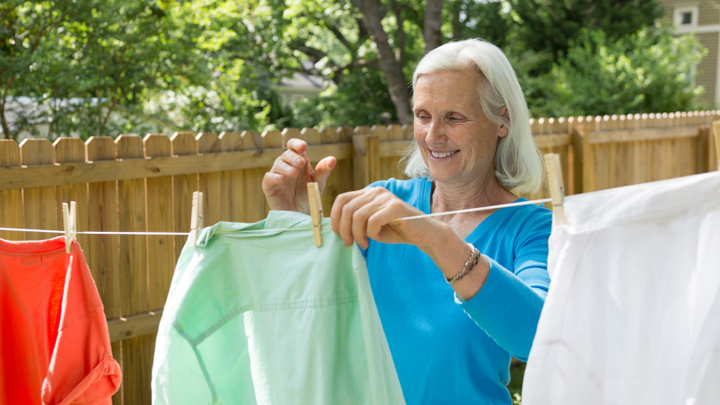
5. Hang washing outside
Australia has something many countries would envy: sunshine. Use it. A clothesline costs nothing to run.
6. Make the most of your curtains
Close curtains and blinds on hot afternoons to keep the heat out. In winter, close them at night to help keep warmth inside.
7. Don’t heat or cool empty rooms
If you’re spending the day in the living room, there’s little point air-conditioning the spare bedroom. Close doors and concentrate your heating or cooling where you actually are.
8. Check your fridge temperature
Your fridge doesn’t need to be set to Arctic. The Australian Government recommends keeping your refrigerator at around 3–5°C and your freezer at around -18°C.
9. Stop leaks
A dripping tap or leaking toilet can waste water – and money. Fix it rather than accepting the drip as part of the furniture.
10. Use the microwave
If you’re reheating a small meal, the microwave can be quicker and use less energy than heating the whole oven.

At the supermarket
11. Check your pantry before shopping
Before you head to Woolies, Coles, Aldi or your local IGA, look at what you already have. You may discover you don’t need another packet of pasta after all.
12. Make a shopping list
And here’s the important part: Stick to it.
13. Eat before you shop
Shopping when you’re hungry is an excellent way to come home with six things you didn’t intend to buy.
14. Compare the unit price
Don’t simply look at the big price on the packet. Check the unit price displayed on supermarket shelves. A larger packet isn’t automatically cheaper.
15. Try supermarket home brands
For plenty of everyday staples, the cheaper supermarket brand can be perfectly good. Try it. If you can’t tell the difference, there’s little reason to pay extra.
16. Look up and down
The most expensive products aren’t always at eye level. Look at the shelves above and below.
17. Buy what’s on special
But only if you were going to buy it anyway. A bargain isn’t a bargain if it ends up in the bin.
18. Buy fruit and vegetables in season
Seasonal produce is often cheaper and can taste better. Don’t insist on buying strawberries in the middle of winter if they’re $8 a punnet.
19. Love the ugly vegetables
A wonky carrot tastes exactly like a straight carrot. Choose the less-than-perfect fruit and vegetables when they’re cheaper.
20. Use frozen vegetables
Frozen peas, corn, spinach and mixed vegetables can be excellent value and have the advantage of keeping for months.
21. Try beans and lentils
A tin of chickpeas or lentils can turn a small amount of meat into a much more substantial meal. They’re also a cheap way to add protein and fibre.
22. Cook once, eat twice
If you’re making a casserole, soup or curry, make enough for tomorrow. Tomorrow’s lunch is already paid for.
23. Freeze leftovers
Don’t throw away perfectly good food because you don’t fancy eating it again tomorrow. Freeze it.
24. Make soup from leftovers
Vegetables that are beginning to look tired can often become a perfectly good soup.
25. Don’t shop for food you already own
It sounds ridiculous. But how many times have you bought another tin of tomatoes because you couldn’t find the three tins hiding behind the cereal? Organise the pantry. You might save yourself a supermarket trip.

Bills and subscriptions
26. Audit your subscriptions
Go through your bank account and look for Netflix, streaming services, apps, magazines, memberships and subscriptions you forgot you had. Cancel anything you’re not using.
27. Don’t pay for two streaming services at once
You don’t need every streaming platform simultaneously. Subscribe to one. Watch what you want. Cancel it. Move to another.
28. Review your phone plan
You may be paying for far more data than you actually use. Check your usage and see whether a cheaper plan would do.
29. Shop around for internet
Don’t assume your internet provider’s latest price is the best price available.
30. Ask for a better deal
This works more often than you might think. Call your provider and ask whether there are cheaper plans or discounts available. If they say no, ask what happens if you leave.
31. Check your insurance
Don’t simply renew your car, home or contents insurance every year without looking at the price. Get competing quotes.
32. But don’t compare price alone
The cheapest insurance policy isn’t necessarily the best. Check the excess, exclusions and coverage before switching.
33. Review your bank fees
If you’re paying monthly account fees, ATM fees or other charges, ask your bank whether there’s a cheaper account available.
34. Check your credit card interest rate
If you carry a balance, interest can quickly overwhelm any savings you’re making elsewhere. If you don’t need the card, consider paying it off and cancelling it.
35. Look for cheaper banking
Many Australians are paying fees for banking services they could get elsewhere for less. Compare accounts. And remember that the best deal isn’t necessarily the bank you’ve been with for 30 years.
Getting around
36. Combine your errands
Don’t drive to the shops Monday, the chemist Tuesday and the hardware store Wednesday if you can do them all in one trip.
37. Walk when you can
It’s free. And you get exercise thrown in.
38. Use public transport concessions
If you’re eligible for a Seniors Card, pensioner concession or other public transport concession, make sure you’re actually using it. Rules vary between states and territories, so check your local scheme.
39. Check your car insurance
If you’re driving fewer kilometres than you used to, tell your insurer. Your circumstances may have changed.
40. Keep your tyres properly inflated
Under-inflated tyres can increase fuel consumption and wear. Check them regularly.
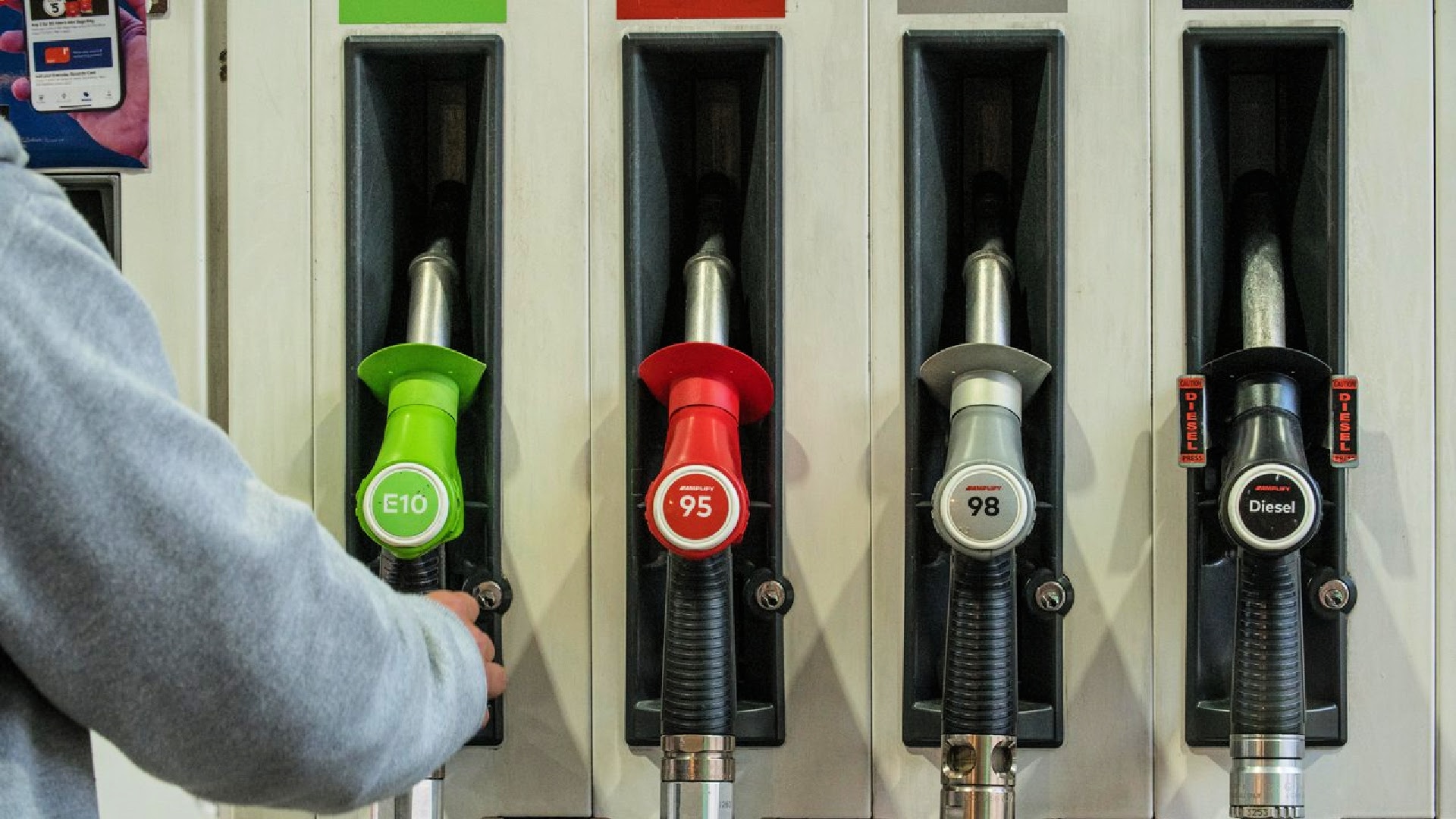
41. Don’t automatically fill up at the nearest petrol station
Use a fuel-price comparison service such as FuelCheck in NSW or FuelWatch in Western Australia, or your state’s equivalent. A little research can save you at the pump.
42. Slow down
Apart from the obvious safety benefits, aggressive acceleration and high speeds can increase fuel consumption. Drive smoothly. Your wallet will thank you.

Eating out and enjoying life
43. Have lunch rather than dinner
Many restaurants offer cheaper lunch menus or specials. You can have essentially the same meal without paying the evening premium.
44. Look for seniors’ specials
Some cafés, restaurants, cinemas, attractions and other businesses offer senior discounts. Ask. You don’t get a medal for paying full price.
45. Use your seniors card
If you have a state or territory Seniors Card, check the available discounts. You may be surprised by how many businesses participate.
46. Share a meal
Restaurant portions can be enormous. If something is easily big enough for two, share it.
47. Drink water
Ordering water instead of several soft drinks, juices or other beverages can make a surprising difference to the bill.
48. Have coffee at home
I’m not suggesting you give up your morning café ritual. But if you’re buying takeaway coffee every single day, make some of them at home.
49. Pack lunch for day trips
A sandwich, fruit and a bottle of water can save you from spending $20 or $30 at a café.
50. Make entertaining cheaper
You don’t have to take everyone to a restaurant. Invite friends over. Ask everyone to bring something. Put some music on. Open the wine. You’ll probably have more fun anyway.
Shopping and spending
51. Wait 24 hours
See something you desperately need? Wait a day. If you still want it tomorrow, consider buying it. You’ll be amazed how many “must-haves” suddenly become less essential overnight.
52. Check whether you really need the upgrade
The new phone may have a better camera. The new television may be slightly bigger. The new car may have heated seats. But if what you already own works perfectly well, keeping it is generally the cheapest option.
53. Buy second-hand
Facebook Marketplace, op shops, Gumtree and local community groups can be excellent places to find furniture, tools, books, sporting equipment and other items.
54. Sell before you buy
Look around your house. If you haven’t used something for a year, consider selling it. The money can go towards something you actually need.
55. Borrow instead of buying
Need a hedge trimmer for 20 minutes? Ask a neighbour. Need a book you’ll read once? Borrow it from the library.
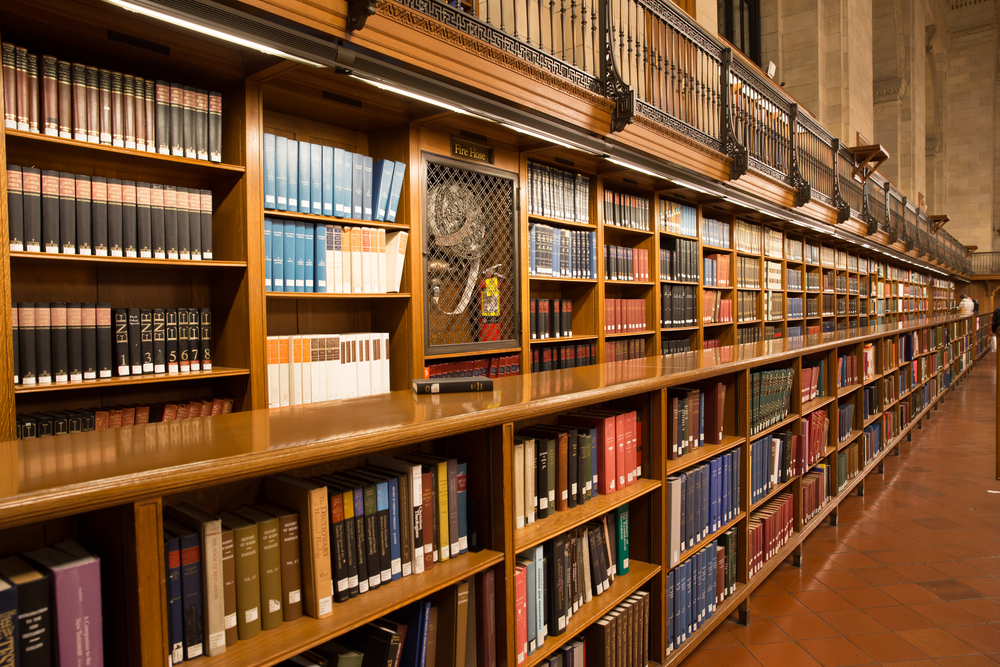
56. Use your local library
Libraries are about much more than books. Depending on where you live, your library may offer free newspapers, magazines, movies, e-books, audiobooks, computer access, events and community activities.
And a few money-saving tricks for older Australians
57. Check your concessions
Don’t assume you don’t qualify. Depending on your circumstances and where you live, you may be entitled to concessions on things such as council rates, transport, energy, health care and other services. Start with Services Australia and your state or territory government website.
58. Check your energy concessions
Energy rebates and concessions vary around Australia. If you’re eligible, make sure your concession is actually being applied to your bill.
59. Review your super fees
This isn’t a quick $5 saving, but it could be worth much more over time. Check what you’re paying in administration and investment fees and make sure you understand what you’re getting for them. If you’re unsure, seek appropriate financial advice before changing anything.
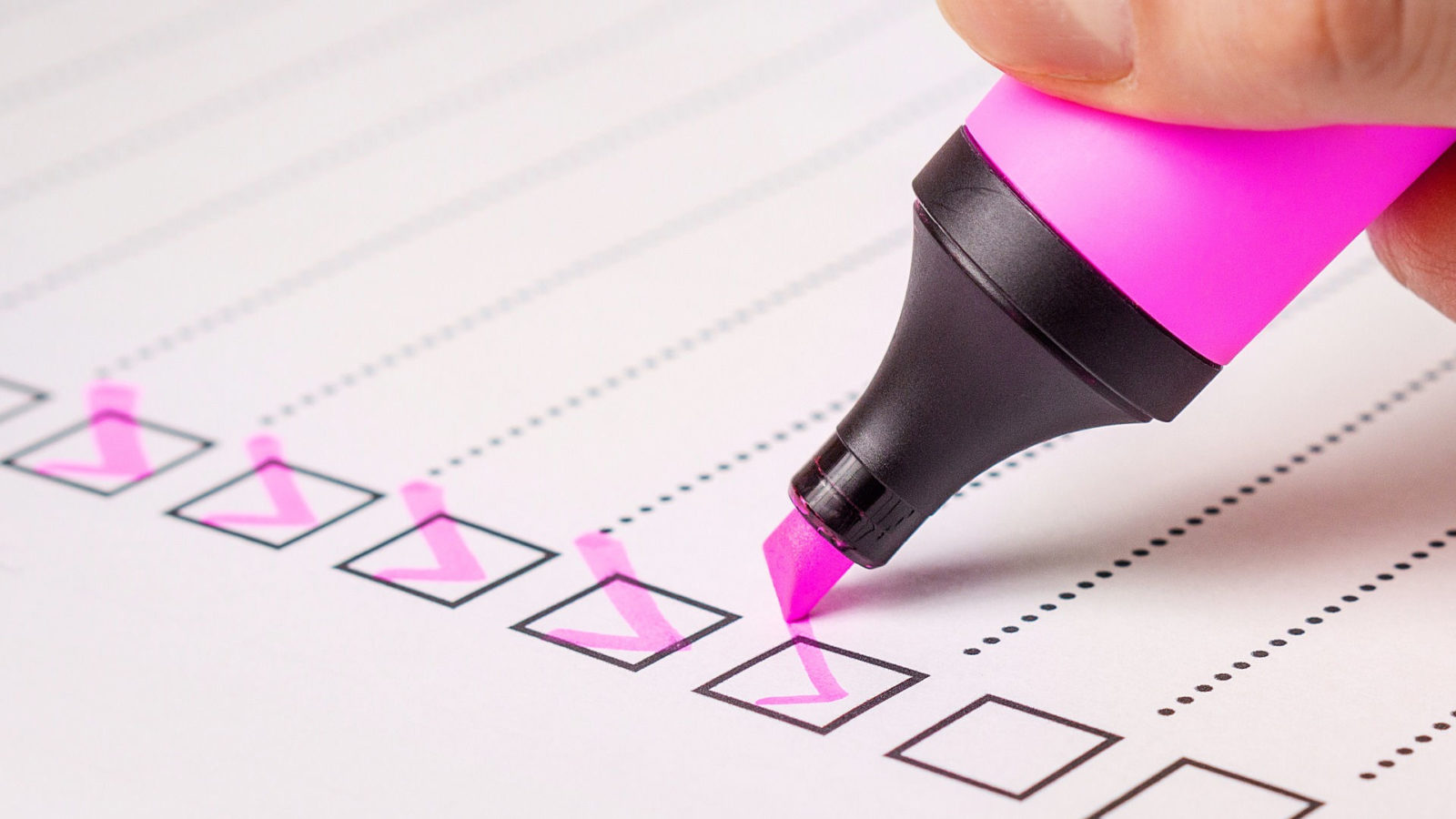
60. Make a “money leak” list today
Here’s the challenge.
Take 15 minutes. Look at your last bank statement. Write down every recurring payment you can find.
Streaming service.
Subscription.
Insurance.
Phone.
Internet.
Bank fee.
Membership.
Anything else.
Then ask one simple question: “Do I still need this?”
Cancel one thing.
Call one provider.
Compare one bill.
Move one unnecessary expense.
You don’t need to overhaul your entire life to save money.
You just need to stop a few dollars leaking out every day.
And those dollars add up.
The golden rule of saving money
Don’t make saving money miserable. The aim isn’t to stop enjoying life. It’s to spend your money on the things you actually value.
If your morning coffee with friends is one of the highlights of your week, keep having it. If travel matters to you, look for savings elsewhere so you can put more money towards your next adventure. If you love taking the grandkids out for lunch, don’t give that up just because the supermarket bill has gone up.
Just make sure you’re not paying for things you don’t care about.
Because after 60, there’s something particularly satisfying about knowing exactly where your money is going.
And even more satisfying when a little more of it stays in your pocket.





 Proudly Australian owned and operated
Comments 7
Join the conversation. Comments are reviewed before they appear.
We agree with everything said above but it’s good to read and absorb it again and again! I shall check my bank statement this week and see what can be altered to save some well earned retirement dollars 😉
Best way to save money.....? Don't spend it in the first place!!!!! Easy.
What great advice and it works been doing most of these for years 🤫
A brilliant article. I find meal planning for the week is another way to save on grocery bills. Particularly with vegetables, if I buy for eg. a whole pumpkin or say cauliflower, I would plan different ways to use the whole vegetable with little waste.
Excellent article. Worth reading.
Great article, I have just made a large pot of vegetable soup with frozen vegetables and some fresh - will make 10 meals for the fortnight. Just added chick peas, lentils and four bean mix. Will look to see where I can cut back more especially the phone bill.
What most of us Seniors do. We were brought up to save if we wanted something special. To put a couple of pennies aside, for spending, and if wanting something special, we had a couple of extra pennies to buy it. Especially, for Mum and Dad`s Birthdays and Christmas presents. My Sisters and I would combine our few pennies to buy them their presents. Taught us well for when we started work and had to buy material, to make clothes, and buy off the peg clothing.
Join the conversation
Tell us who you are to post a comment. We'll remember you next time.