
How the family home could help older Australians stay independent in retirement



For many older Australians, the family home is more than their largest asset. It is where they want to remain as they grow older. According to Benetas research, nearly nine in 10 Australians aged 65 and over* want to continue living at home, raising an important question: how do you fund the lifestyle, home improvements and future costs that can make that possible?
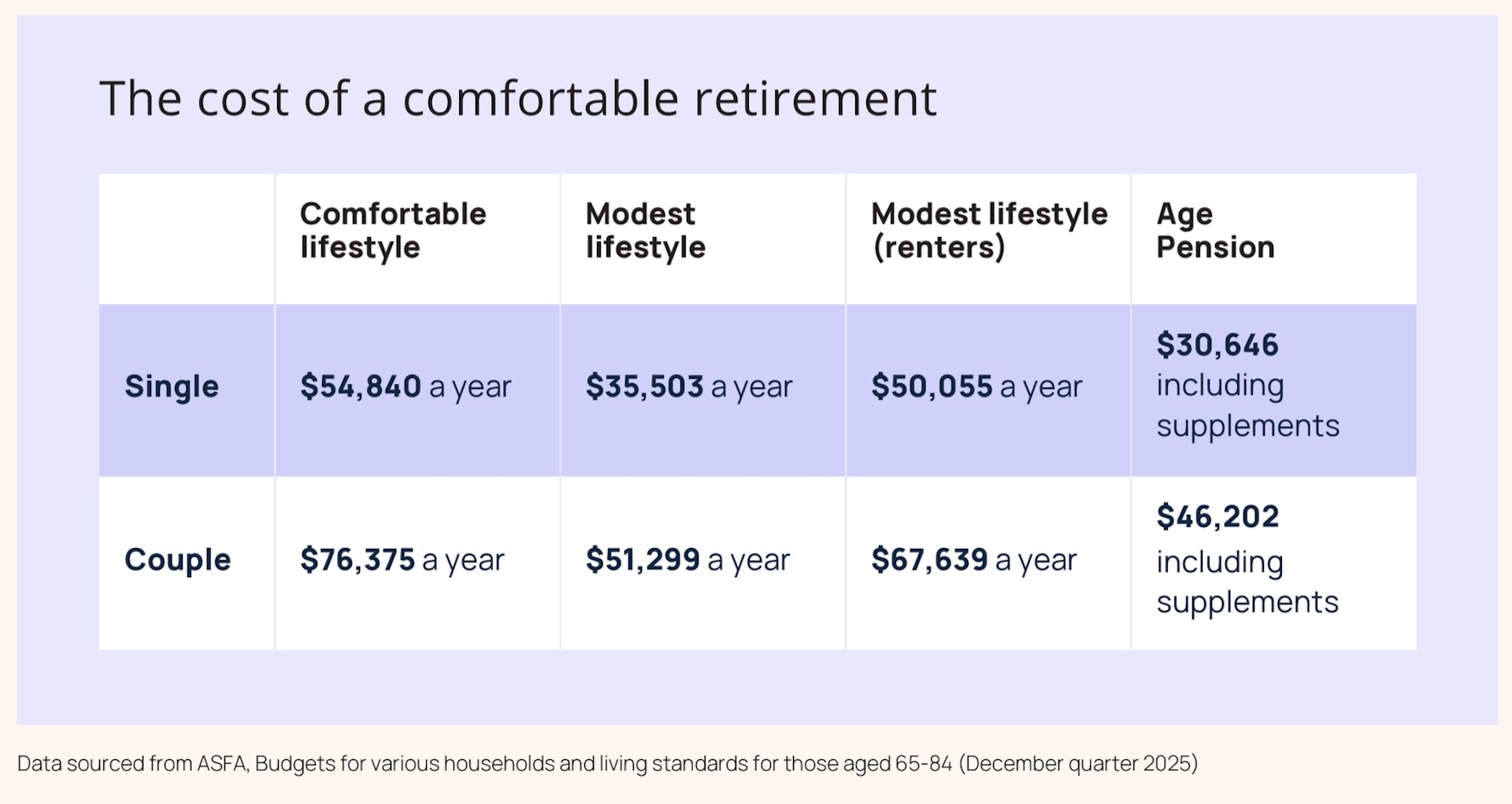
It comes as the cost of maintaining a comfortable retirement continues to rise**, creating a familiar situation for older homeowners: considerable wealth tied up in property, but much less flexibility in the household budget.
Deloitte research estimates Australians aged 60 and over hold around $3 trillion in home equity***, with around $600 billion potentially accessible through reverse mortgages***. Yet only about one per cent of that potential equity is currently being accessed***.
For retirees wondering whether their home could provide some extra financial breathing room, accessing that equity is a significant decision and one worth discussing with independent advisers.
Interest in how Australians can unlock the wealth in their homes is growing rapidly. Google Ads Keyword Planner data shows searches for “reverse mortgage” reached a four-year high in July 2026****, as more older homeowners investigate whether their property could help fund the retirement they want.
Here’s what you should know.
First, what exactly is a reverse mortgage?
A reverse mortgage allows eligible homeowners to borrow against part of the equity in their home without having to sell it.
Unlike a conventional mortgage, regular repayments generally aren’t required while you continue living in the property. Instead, interest is added to the loan balance over time, with the loan typically repaid when the home is sold or the borrowers permanently leave the property.
Importantly, you remain the registered owner of your home.
For Australians who want to stay in the family home rather than downsize to release capital, that can provide another option.
But it isn’t free money. Interest accumulates and compounds over time, reducing the equity remaining in the property.
What could greater financial flexibility mean in retirement?
Greater flexibility can help retirees focus on the outcomes that matter to them, such as maintaining their home, managing debt, meeting health or care costs, travelling, replacing a car or helping family.
For many retirees, the motivation is about choice and flexibility, not just covering costs.
Deloitte research found common uses included home improvements, paying down existing debt, everyday living expenses and aged care or health costs***.
For some retirees, accessing equity may be about relieving financial pressure. For others, it can provide greater choice over how they live in retirement.
How much could you access?
The amount available through a reverse mortgage generally depends on the value of the property and the borrower’s age — or the age of the youngest borrower for couples.
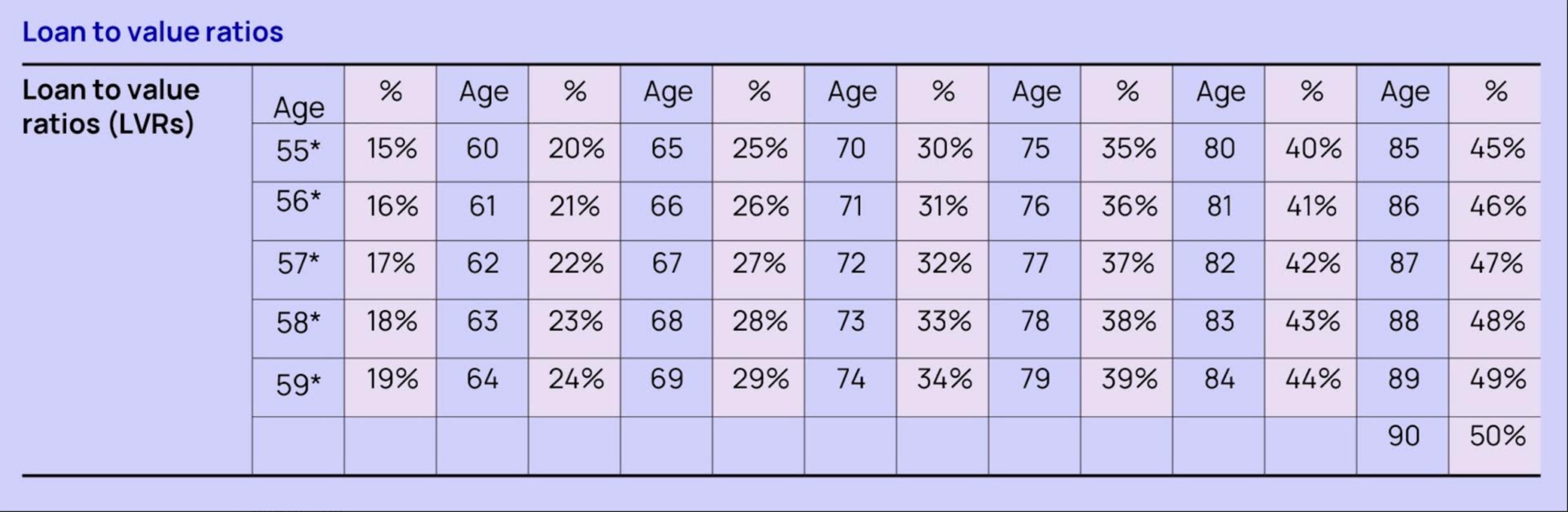
Individual eligibility and lending criteria apply.
You don’t have to borrow the full amount available.
Heartland’s Equity Access Loan, for example, is available to eligible homeowners aged 55 and over, with funds able to be accessed through a lump sum, regular advances or a Future Access Fund of up to $50,000. Interest is not charged on funds that are yet to be drawn.
Think about tomorrow, not just today
This may be the most important consideration.
When repayments aren’t made, interest is added to the outstanding loan balance and compounds over time. Over a long retirement, that can substantially increase the amount repayable and reduce the equity left in the home.
That could affect your ability to fund aged care or another move later in life, as well as the inheritance you hope to leave behind.
Heartland Bank advises prospective borrowers to consider their future objectives and expenses because accessing equity today can reduce what is available later.
So the important question isn’t simply, “How much can I borrow?”
It’s also, “How much do I actually need?”
What protections are there?
Australian reverse mortgages include important consumer protections.
These include a No Negative Equity Guarantee, meaning borrowers or their estate won’t owe more than the net sale proceeds of the property, provided applicable loan conditions are met.
Heartland’s product also allows optional repayments. Independent legal advice is required before proceeding to help borrowers understand the implications of the loan.
Accessing home equity may also affect Age Pension eligibility or other government entitlements depending on individual circumstances, making independent financial advice particularly important.
Five questions to help protect your choices later
Before making a decision, consider:
What do I want life at home to look like in five, 10 or 20 years?
What future costs could make staying in my home more difficult?
Would I prefer to move, or adapt the home I already have?
How much financial flexibility might I need for health, care or unexpected expenses later?
Who should I involve in the decision, including my partner, family and independent advisers?
For some retirees, accessing home equity won’t be the right answer. For others, the wealth accumulated in the family home may become an increasingly important part of funding the retirement they want.
The surge in Australians researching reverse mortgages suggests many are already starting that conversation.
The important thing is understanding what accessing that wealth today could mean for tomorrow.
To learn more about Heartland Bank’s Equity Access Loan and how reverse mortgages work, visit Heartland Bank.
*Source: Benetas, Ageing in Place: An Australian Perspective, 2026
**Source: ASFA, Retirement Standard, Budgets and Living Standards for Those Aged 65–84 (December Quarter 2025)
***Source: Deloitte, Australian Reverse Mortgage Survey, March 2026
****Source: Google Ads Keyword Planner, search volume for “reverse mortgage”, July 2026
Applications for credit are subject to eligibility and assessment criteria. Terms, conditions, fees and charges apply. Any advice is general in nature and does not take into account your personal circumstances, financial situation or needs. Please consider whether it is appropriate for you. Credit is provided by Heartland Bank Australia Limited ABN 54 087 651 750 (Australian Financial Services Licence/Australian Credit Licence 245606) or ASF Custodians Pty Ltd ABN 49 106 822 780 (Australian Credit Licence 386781). This information is current as at 14/09/2026 and is subject to change.





 Proudly Australian owned and operated