
Why pickleball has become the Sport of Choice for the Over-60s (and how not to hurt yourself playing it)


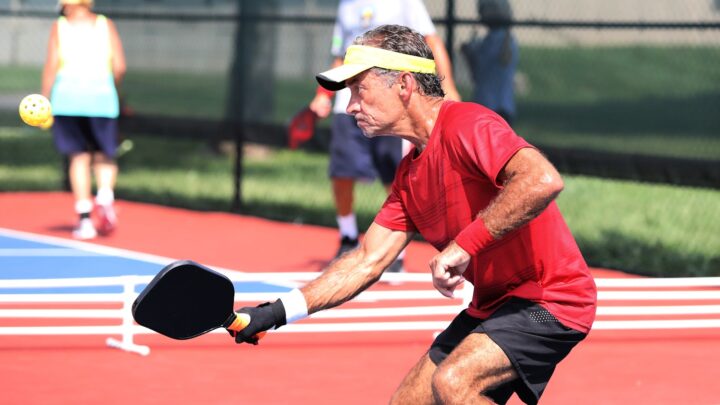
Pickleball has arrived in earnest.
Not crept in. Not flirted. Arrived. Loudly. With proper shoes, new paddles, and a level of competitive enthusiasm usually reserved for lawn bowls finals and car-park negotiations at Bunnings.
If you haven’t played it yet, you will. If you have played it, you already know three people who now identify as pickleball players and talk about it as if they’ve discovered a fountain of youth hidden behind the net.
And it’s no accident that pickleball has found its most devoted audience among people aged 60 and over.
Why Over-60s Have Taken to Pickleball
Pickleball sits neatly in the sweet spot between I want to move and I don’t want to be injured for six weeks. It’s social. It’s affordable. The court is smaller than tennis, the ball doesn’t travel like it’s angry, and you don’t need explosive speed to enjoy it.
For many older Australians, it offers something rare: a sport that feels legitimate without being punishing. You can play doubles, talk between points, and still feel like you’ve earned your coffee afterwards.
There’s also the community aspect. Pickleball attracts people who like structure, routine and a sense of belonging. You turn up. You play. You chat. You complain about the rules. You come back next week.
It’s exercise disguised as civilisation.
But Let’s Talk About Injuries (Because They Are Happening)
Despite its friendly image, pickleball is not injury-free – particularly for people who haven’t played court sports in decades and suddenly find themselves lunging, twisting and stopping quickly.
The most common pickleball injuries among over-60s are, reassuringly, not dramatic – but they are inconvenient.
The Most Frequent Pickleball Injuries
1. Achilles and calf strains
Sudden stops and short sprints put stress on calves that may not have been asked to do much recently. This is one of the most common complaints.
2. Knee pain and meniscus irritation
Quick pivots and lateral movement can aggravate ageing knees, particularly if arthritis is already in the mix.
3. Shoulder and elbow strain
Repeated paddle swings – especially with poor technique – can irritate shoulders and lead to tennis elbow’s lesser-known cousin, pickleball elbow.
4. Wrist injuries
The light paddle can trick people into flicking the wrist far more than they should.
5. Falls
This is the one everyone worries about, and with reason. Tripping while moving backwards or lunging for a low ball is a real risk — especially if balance isn’t what it once was.
How to Protect Yourself (Without Giving Up the Game)
The good news is that most pickleball injuries are preventable with a little preparation and a lot less bravado.
Warm up properly
Five minutes is not enough. Gentle walking, calf raises, hip circles and shoulder rolls should be non-negotiable. Cold muscles do not enjoy sudden enthusiasm.
Wear proper court shoes
Running shoes are not designed for side-to-side movement. Court shoes provide lateral support and reduce the risk of ankle and knee injuries.
Mind your technique
This is not the time to muscle the ball. Smooth, controlled swings protect shoulders and elbows. If coaching is available, take it. Quietly. No one needs to know.
Strength and balance matter
Simple strength work – especially calves, glutes and core – makes a significant difference. Balance exercises reduce fall risk, which is perhaps the most important benefit of all.
Know when to stop
This is the hardest lesson. Fatigue leads to poor movement, and poor movement leads to injury. The game will still be there tomorrow.
Why It’s Still Worth It
Despite the injuries, pickleball remains one of the most sensible sporting trends to sweep through the over-60s in years.
It gets people moving. It improves coordination and balance. It reduces isolation. And perhaps most importantly, it gives people something to look forward to that doesn’t involve waiting rooms or medication schedules.
Yes, you may end up with a sore calf or a grumpy shoulder. But you’ll also end up fitter, more connected, and quietly pleased with yourself — which counts for a lot at this stage of life.
Pickleball isn’t about pretending you’re 30 again. It’s about staying upright, engaged and competitive enough to argue about line calls.
And frankly, that’s a very good reason to play.





 Proudly Australian owned and operated
Comments 0
Join the conversation. Comments are reviewed before they appear.
Be the first to comment.
Join the conversation
Tell us who you are to post a comment. We'll remember you next time.