
Who doesn’t love a jacket potato? The humble comfort food that never lets you down


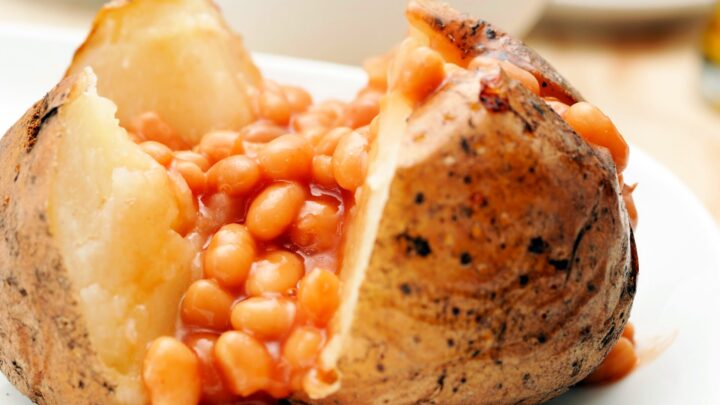
There are some foods that don’t need reinvention. They don’t need foam, fancy plating or a celebrity endorsement. They just need an oven, a bit of patience – and a good knob of butter.
The jacket potato is one of them.
Crisp-skinned, steaming and fluffy in the middle, it’s the sort of meal that feels like a warm hug on a plate. It can be dinner, lunch, a late-night snack or a “there’s nothing in the fridge” miracle. Best of all, it’s cheap, filling, endlessly adaptable – and almost impossible to get wrong.
Where did the jacket potato come from?
The idea of baking potatoes in their skins goes back centuries. Potatoes arrived in Europe in the late 1500s after being brought from South America, and it didn’t take long for cooks to realise that baking them whole preserved flavour and texture – and saved washing up.
The term “jacket potato” is distinctly British, referring to the crispy outer “jacket” that forms when the potato is baked. In the UK, jacket potatoes became especially popular in the mid-20th century, sold wrapped in foil from street carts, cafés and pubs – often topped with butter, cheese or baked beans.
In Australia, we adopted the idea enthusiastically. Big spuds, hot ovens and a love of no-fuss meals made jacket potatoes a natural fit. They’re also popular across Europe and the US (where they’re usually called baked potatoes), but few places embrace them with quite the same devotion as Britain and Australia.
Why we still love them
Jacket potatoes tick all the boxes:
They’re easy – minimal prep, no special skills
They’re affordable – one potato can be a full meal
They’re flexible – vegetarian, meaty, light or indulgent
They’re comforting – the kind of food that makes you slow down
You can dress them up or keep them simple. And if you can turn on an oven, you can make one.
How to make the perfect jacket potato (every time)
The secret is time, not effort.
Choose large, floury potatoes (like brushed or Sebago)
Prick the skin, rub lightly with oil and salt
Bake hot and long – this is not a rush job
Low effort, high reward.
Three Classic Jacket Potato Recipes
Classic Butter, Cheese and Chives Jacket Potato
The gold standard. Simple. Perfect.
Ingredients (serves 1–2):
1 large potato
Olive oil and salt
Butter
Grated cheddar cheese
Chopped chives or spring onion
Method:
Heat oven to 200°C (180°C fan).
Prick potato all over, rub with oil and sprinkle with salt.
Bake directly on the oven rack for 75–90 minutes, until skin is crisp and the inside feels soft when squeezed.
Cut a cross in the top, fluff the inside with a fork.
Add a generous knob of butter, sprinkle with cheese and finish with chives.
Why it works: Butter melts into the potato, cheese adds richness, and chives give just enough bite.
Jacket Potato with Baked Beans and Cheese
A British classic that Australians quietly adore.
Ingredients:
1 large potato
Olive oil and salt
1 cup baked beans
Butter
Grated cheddar
Method:
Bake the potato as above.
Heat baked beans gently on the stove or in the microwave.
Split potato, add butter, spoon over hot beans.
Top with cheese and let it melt.
Why it works: Sweet, saucy beans with creamy potato is comfort food at its absolute best.
Sour Cream, Bacon and Spring Onion Jacket Potato
A little more indulgent – and completely worth it.
Ingredients:
1 large potato
Olive oil and salt
2 rashers bacon, cooked and chopped
Sour cream
Spring onion, finely sliced
Method:
Bake potato until crisp and fluffy.
Split and fluff the centre.
Add a generous spoon of sour cream.
Scatter over bacon and spring onion.
Why it works: Cool, tangy sour cream balances the salty bacon beautifully.
Why jacket potatoes are perfect for now
In a world of complicated recipes and expensive ingredients, the jacket potato quietly reminds us that good food doesn’t need to be hard. It’s forgiving, practical and endlessly adaptable – whether you’re cooking for one or feeding a family.
And sometimes, dinner doesn’t need to be clever.
It just needs to be hot, filling – and eaten with a fork straight from the plate.





 Proudly Australian owned and operated