
Travel traps: don’t let scammers ruin your holiday



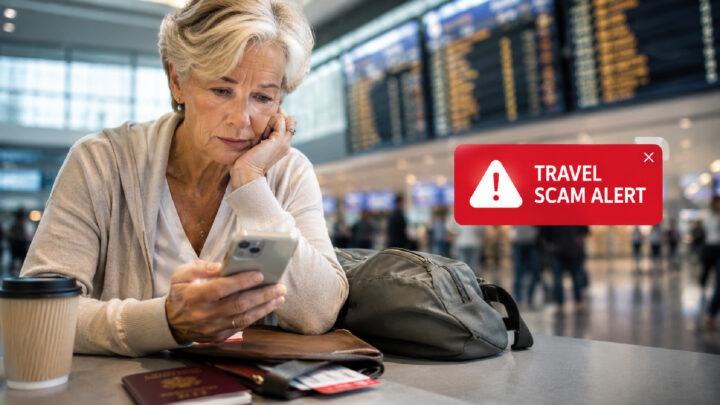
Travel scams are surging again and older Australians are increasingly being targeted as scammers become smarter and far more convincing online.
Cybersecurity company Malwarebytes has warned travellers to stay alert, particularly when booking holidays, scanning QR codes or using public Wi-Fi while away.
The old-fashioned “too good to be true” scam hasn’t disappeared, but experts say many modern travel scams now look almost identical to legitimate airline, hotel or booking websites.
It comes as many Australians plan to escape winter for warmer overseas adventure.
Fake booking confirmations, cloned accommodation listings and scam customer support numbers are all on the rise and AI-generated content is also making scam emails and websites harder to spot.
The QR code warning
One of the fastest-growing threats is known as “quishing” — phishing scams delivered through fake QR codes.
Travellers are being urged to think twice before scanning codes at airports, restaurants, parking stations or public venues after reports of scammers placing fake QR stickers over legitimate ones.
Security experts warn the scam can redirect users to fake payment pages or install malware onto phones.
Research suggests many people trust QR codes without properly checking where they lead.
Check out ‘Scammers cheat Aussies out of millions’
Public Wi-Fi can be risky too
Free airport and hotel Wi-Fi might seem convenient, but cybersecurity experts say it can expose travellers to hackers and data theft.
Recent research found 63 per cent of travellers use public Wi-Fi while away, often accessing banking apps, emails or personal accounts on unsecured networks.
Experts recommend using mobile data where possible, avoiding sensitive transactions on public networks and booking directly through trusted websites instead of clicking links in emails or texts.
Simple ways to stay safer
Before travelling, experts recommend:
- Booking directly through official airline and hotel websites
- Avoiding deals that create urgency or pressure
- Double-checking website addresses carefully
- Being cautious with QR codes in public places
- Turning on two-factor authentication for important accounts
- Keeping phones and apps updated with the latest security software
Losing luggage may be frustrating, but losing your identity or savings can be far worse.





 Proudly Australian owned and operated
Comments 0
Join the conversation. Comments are reviewed before they appear.
Be the first to comment.
Join the conversation
Tell us who you are to post a comment. We'll remember you next time.