
The Mystery of the Nullarbor’s Hidden Trenches Has Finally Been Solved


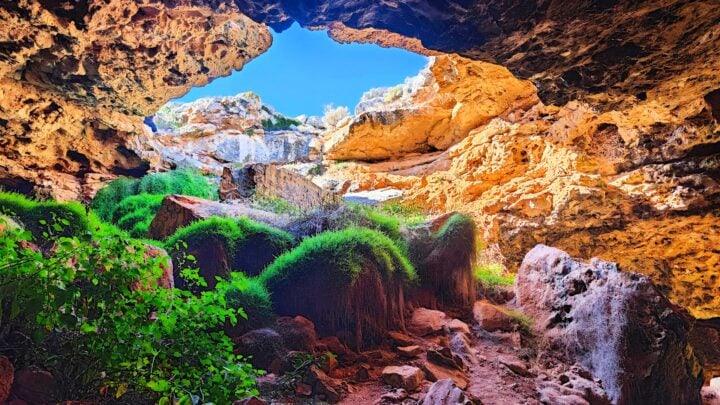
For years, mysterious trenches stretching across the vast, flat expanse of southern Australia’s Nullarbor Plain have puzzled scientists. Now, new research involving Curtin University has finally revealed what they actually are, and it’s not what most people would have guessed.
What the researchers found
The trenches, which can stretch anywhere from several kilometres to more than 20 kilometres long, and range between 100 and 500 metres wide, have long looked, at least from the surface, like shallow valleys or ancient drainage channels carved out by flowing water. The new research shows that assumption was wrong.
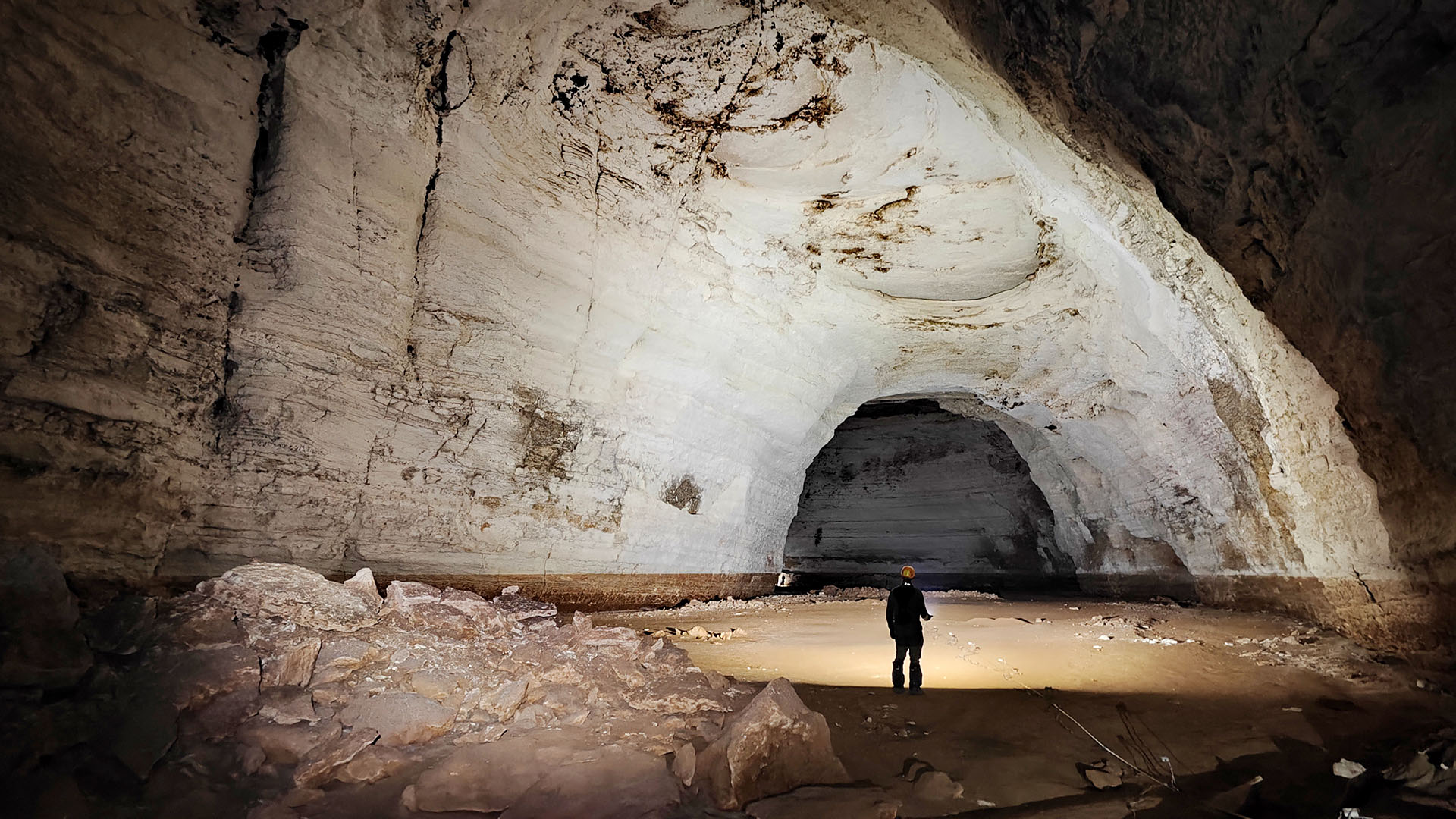
Instead, the trenches are the surface footprint of deep, hidden cave systems, formed as underground cave roofs gradually collapsed over time, causing the ground above to sag and slowly create shallow depressions at the surface.
Lead author Dr Matej Lipar, who conducted the research while an Adjunct Research Fellow at Curtin University’s School of Earth and Planetary Sciences and is now based at the Slovenian Academy of Sciences and Arts, said the trenches were genuinely difficult to identify as evidence of underground caves, given how subtle their surface features actually are.
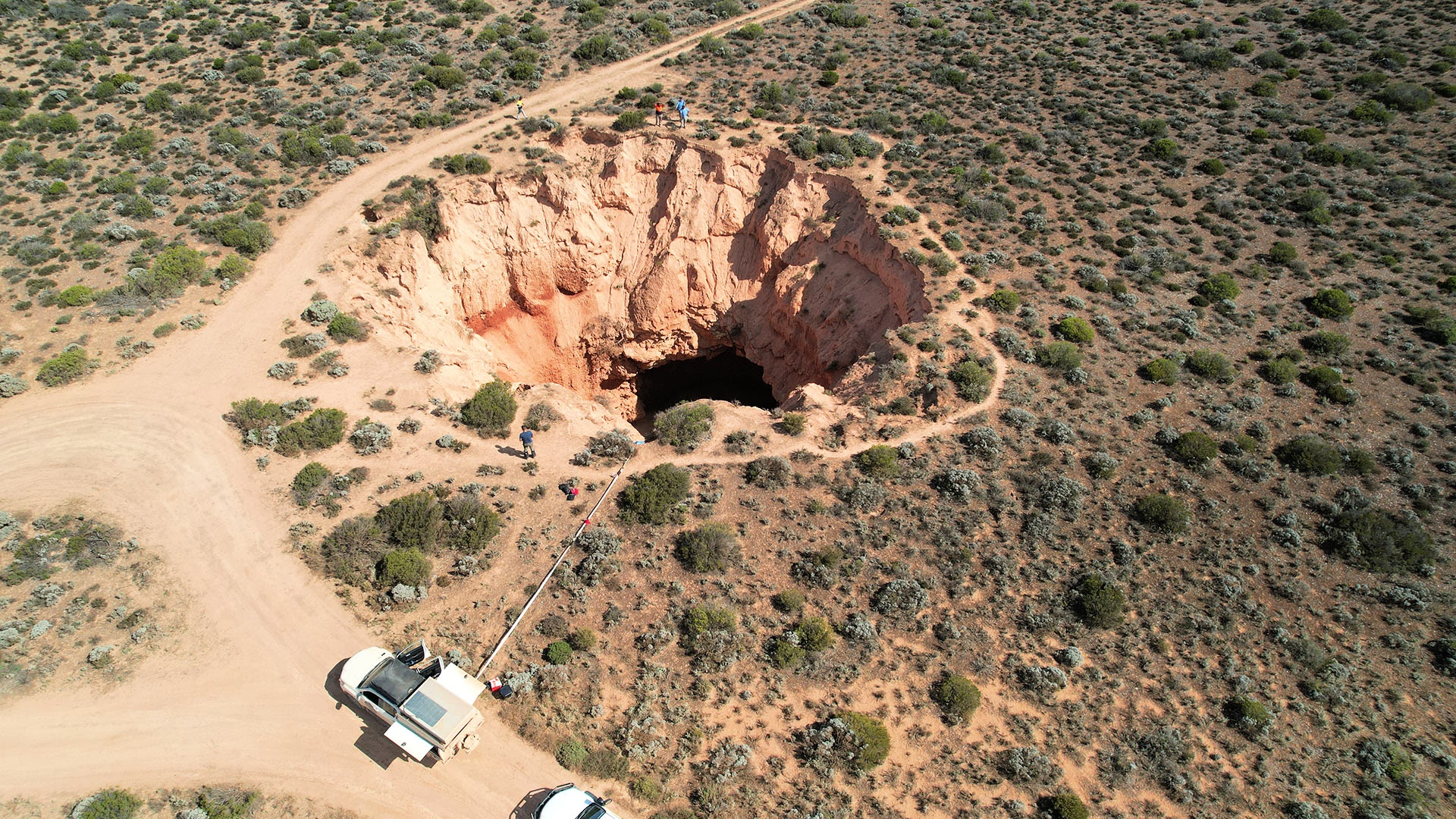
“From the surface, these features can look remarkably like shallow valleys or drainage channels, but our evidence shows they have a very different origin,” Dr Lipar said.
By combining detailed mapping, geophysical surveys, existing cave records and sediment analysis, the research team confirmed the trenches are directly linked to deep cave systems beneath the Nullarbor Plain. Despite their impressive length and width, the trenches are generally less than nine metres deep, making them genuinely hard to spot across such a vast, seemingly featureless landscape.
“Because the landscape is so vast, it appears to be a flat, endless plain,” Dr Lipar explained. “But when we created exaggerated digital models of the terrain, the trenches became much easier to see and identify.”
Crucially, the trenches lack the connected streams or other tell-tale signs you’d expect to see if water had once flowed through them. Instead, geophysical surveys detected genuine underground cavities beneath the surface, and several of the trenches lined up precisely with known caves and areas where the ground has previously collapsed.
The researchers also identified a clear pattern across the region, with obvious, cave-connected collapse features in the west gradually giving way to wider, more subtle trenches further east, illustrating how cave collapse can progressively reach the surface depending on the thickness of the rock above.
Why this discovery matters well beyond the Nullarbor
Curtin co-author Associate Professor Milo Barham, from the Curtin Frontier Institute for Geoscience Solutions, said the findings could genuinely change how scientists interpret similar subtle landscape features in other parts of the world, and potentially even on other planets.
“Cave systems are not always obvious from the surface, but the dry and stable landscape of the Nullarbor is excellent for removing a lot of ‘noise’ to allow us to recognise subtle landscape characteristics,” Associate Professor Barham said.
He said the research provides a genuinely useful set of indicators for identifying hidden cave systems elsewhere, including on Mars. Caves matter, he noted, because they can preserve valuable evidence of past environments here on Earth, and have real implications for engineering and access to clean drinking water. On other planets, potential cave systems could offer protected subsurface environments relevant to the search for evidence of extraterrestrial life, or even serve as future bases for astronauts.
A genuinely Australian discovery with global reach
The study, “Subdued surface expression of deep cave collapse,” was published in Communications Earth and Environment, and involved researchers from Curtin University, the University of Western Australia, La Trobe University, the University of Queensland, and the University of Ljubljana, with support from the Slovenian Research and Innovation Agency.
It’s a genuinely fascinating reminder that even one of Australia’s most seemingly empty, unremarkable landscapes can still hold real scientific secrets, hidden just beneath the surface, waiting for the right combination of technology and curiosity to reveal them.





 Proudly Australian owned and operated
Comments 3
Join the conversation. Comments are reviewed before they appear.
What's new about this exactly? The caves have always been known about.
Could make the huge, proposed wind farm an engineering challenge!
We crossed the Nullarbor last year and I found a piece of stone with a sea shell fossilised inside it but half exposed .
It was under the root of a very large
old tree and I now have it at home
This rare find made me think that that area above the huge cliffs must have been under the sea at some stage. Fascinating!
Join the conversation
Tell us who you are to post a comment. We'll remember you next time.