
A spectacular spot for bush walking in Tasmania


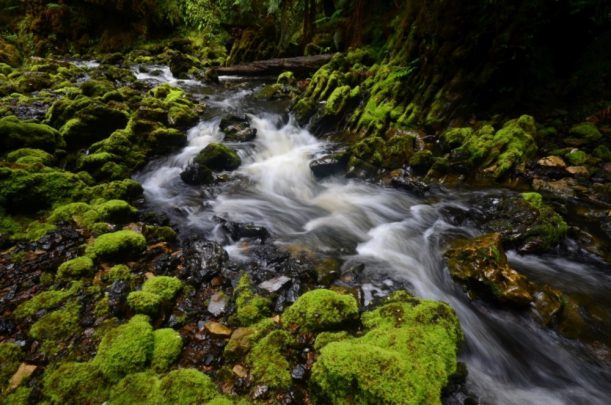
I’m meeting Gerry, a 65-year-old Tasmanian who has seen most of the Island State, more than I’ll ever cover in a lifetime. I’m tagging along with him to Julius River, a semi-obscure destination that he wants to return to – and who am I to argue? It’s mildly famous among the bush-walking fraternity because it has caves, so I’m expecting to be in a dark place sometime in the ensuing hours.
We’re somewhat tardy in heading out and I’m not sure exactly what we’ll be doing other than the caves, I’m just happy to have a guide. Our first stop is Edith Creek general store/café/service station – you name it, they’ll have a go. In fact, talking to one of the owners later, he’s managed to start a profitable business utilising the wood that the forestry company doesn’t want, finding many uses for the initially rejected timber.
Gerry however, is taking me to what the tourist image of the fabled Tarkine is: pristine Gondwana forest swathed in lichen and moss. Not far from Edith Creek there’s a new loop road. Actually, it’s not new, but the sealing of it and promotion of it as a tourist destination is. Where Gerry’s taking me will not be on any serious promoter’s list in the foreseeable future, though – I figure that out as we turn off one road onto another, and then another. It’s a dirt road in the midst of becoming overgrown by forest, with grasses and reedy-type plants running down the middle of the road that are as tall as the bonnet.
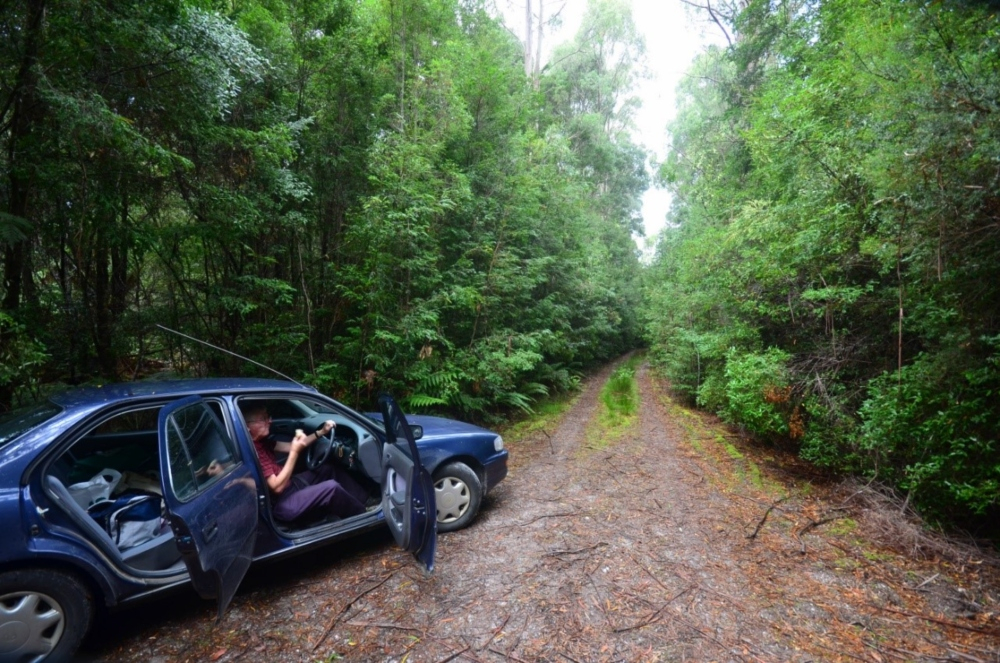
For some unknown reason I thought we were headed to a less-obscure destination, but here the only way you know you’ve arrived is if you happen to spot the lone piece of pink ribbon affixed to small branch. Had Gerry not mentioned it I’d have driven right by, but there’s also a slightly wide part of the so-called road where, after several backwards and forwards motions, you can actually turn around – which is just as well, because I wouldn’t fancy reversing up our route.
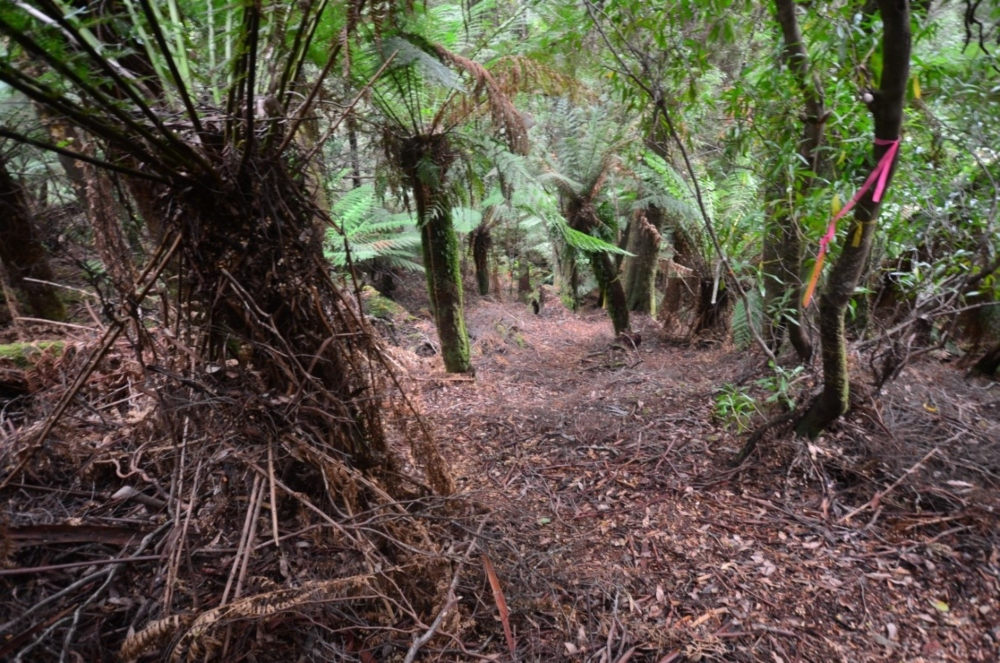
This walk is as close to virgin as you can get. The track, such as it is, can only be followed if you keep your eyes out for the ribbons, because there’s a little wear and tear in some places, especially where a log has fallen and alternate routes have been sought. This is wilderness in it truest form and we make our way down and across a small watercourse, so obscure you can walk across it and not get the top of your shoes wet.
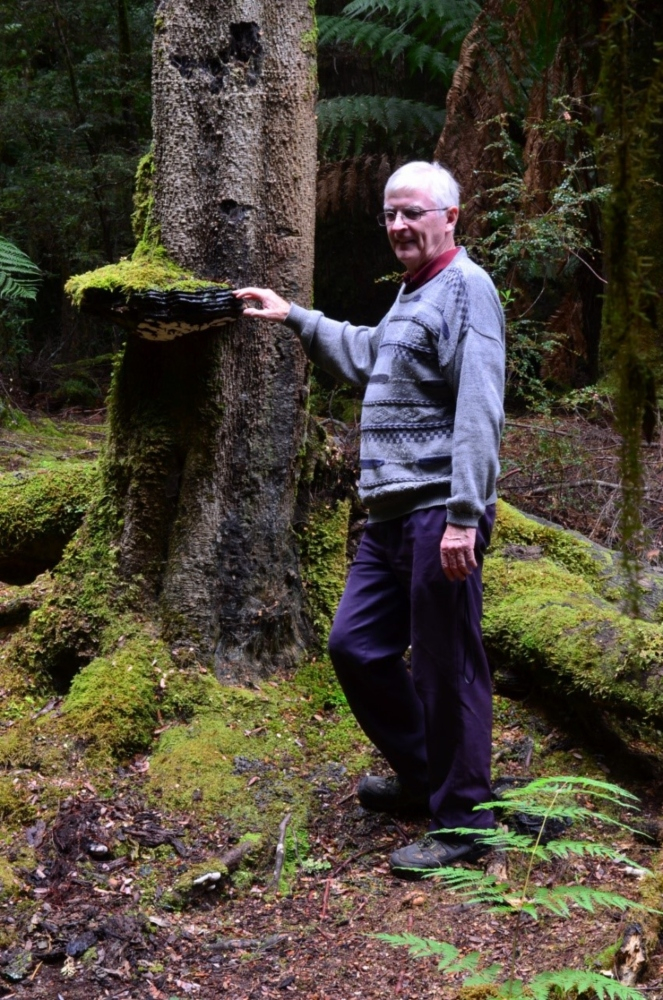
Fungi and moss love it down here beneath the tertiary growth of this forest, as do tree ferns. There’s also some sort of large-leafed plant, with fruit that look just like blueberries scattered liberally across the forest floor. Gerry reliably informs me that this is Tasmanian native pepper – I later look it up and see that it has attracted interest in medical research because it retards growth of staph aureus and other nasties.
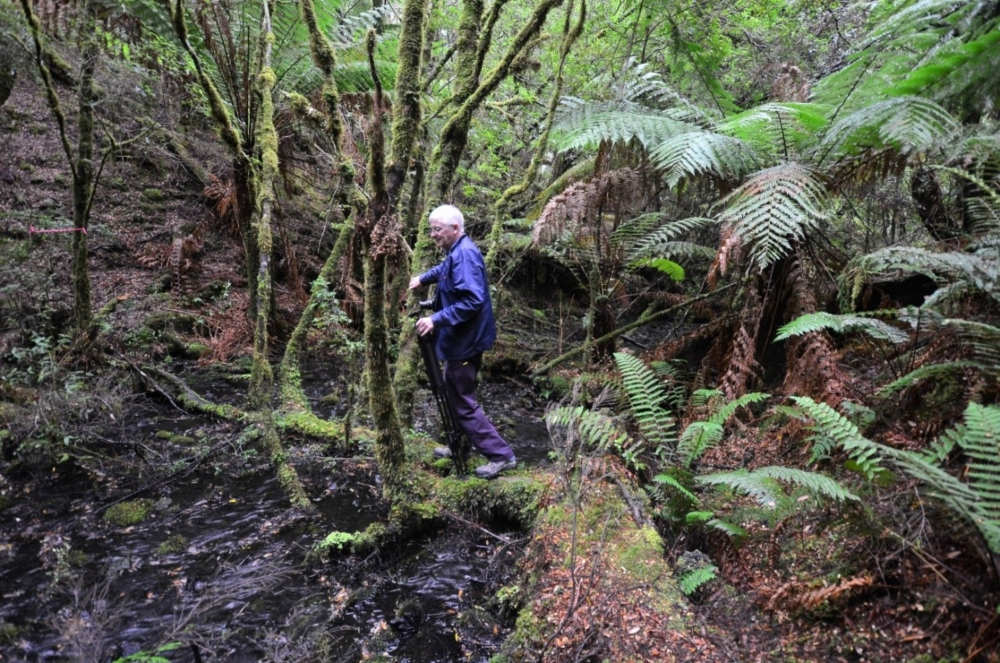
Some creek or other has to be negotiated further on, a couple of times in fact, before we find ourselves at the last descent. At the final bit it’s slippery under foot and a mite tricky, but we negotiate it with enthusiasm and find ourselves near one of the many caves that dot the area. I’m shaking my head, not for the first time this trip, and uttering that “wow” word again.
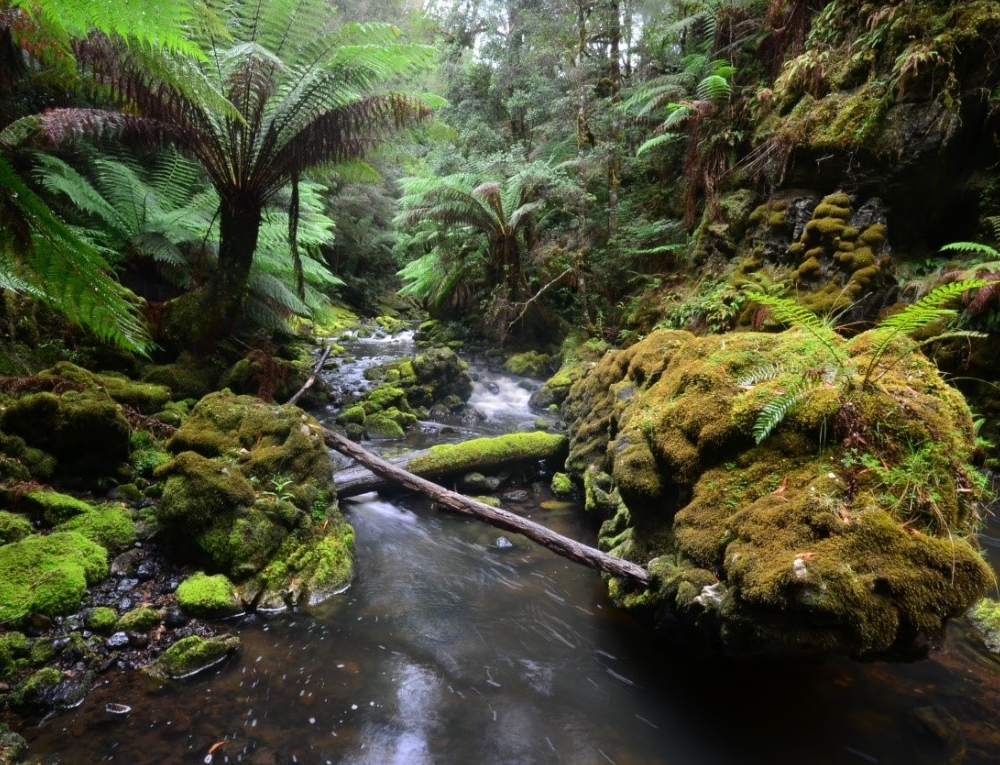
It’s brilliant, the epitome of ancient land as our ancestors would have found it and natives would have walked it. The rush of the water is the only sound and Gerry would later say, “You just don’t want to leave”. He got that right. It’s magical, enchanting and spiritual, all at once. It wraps itself around you and draws you in, leaving you gazing in wonder that such places exist. Although you know they do, you just haven’t had anyone to guide you in before.
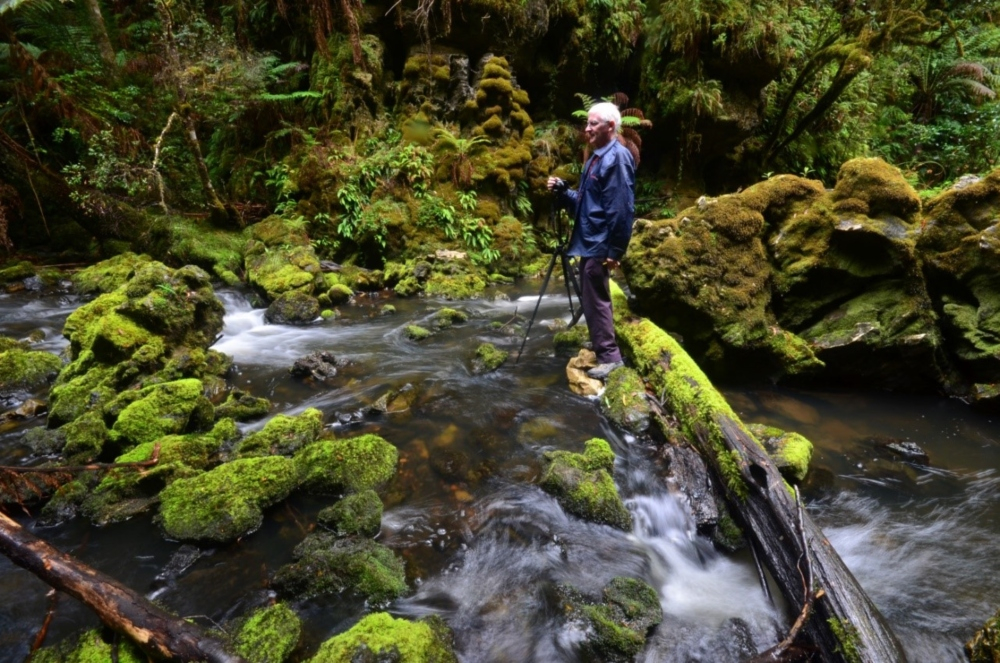
We spend half an hour, or was it three-quarters, adjusting tripods and shutter speeds to get the required exposures, constantly checking the results on the camera screen because, who knows how long, if ever, it will be before we see such a place again.
On Gerry’s advice I don’t go into any of the caves as it’s the river here that casts its net around your soul and taunts you constantly, and I don’t need the added burden of removing some clothing and sloshing my way into a cave that’s not all that brilliant anyway.
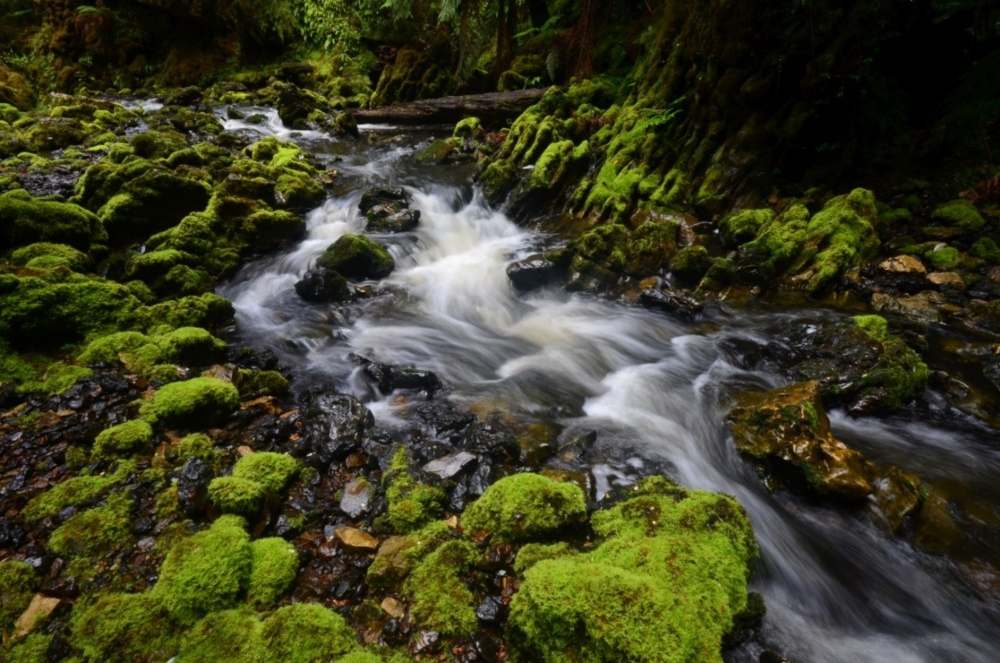
It’s almost sad to be leaving, though that is pushed into the background at the thought of seeing the exposures later on. Gerry is now taking me to the Julius River Conservation Reserve, a more tourist-oriented track – with toilets, no less. It’s the same river, just further upstream.
Once there, there’s an easy-to-follow half-hour stroll through more forest, crossing the water twice via well-made bridges. It’s a relief in one way not to have to scramble somewhere as I have in previous days and earlier this day. Normal walking is not something I’ve done in a forest for some time.
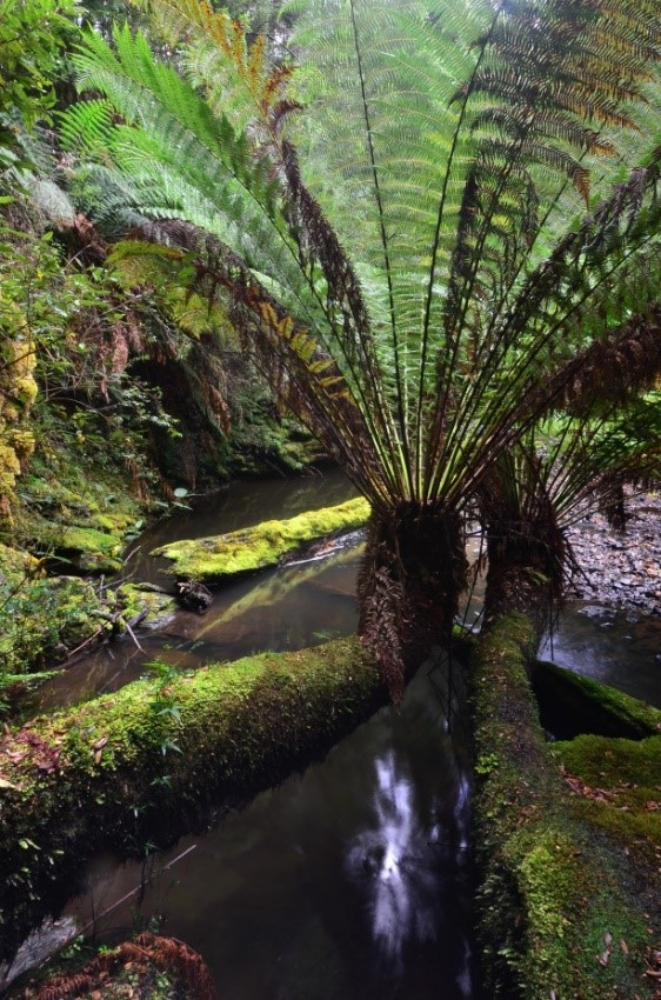
I’m a big fan of manferns (dicksonia antarctica), locating a couple growing out horizontally over the river that have much appeal and can’t stop taking pictures for five minutes. I remember one at Horseshoe Falls in Mount Field National Park that someone had photographed well and I was trying to emulate that shot.
There’s much to recommend this half-hour stroll through the woods – it’s pretty, it’s civilised, but you still get that wilderness feeling.





 Proudly Australian owned and operated