
France will become the next nation to tax cruisers


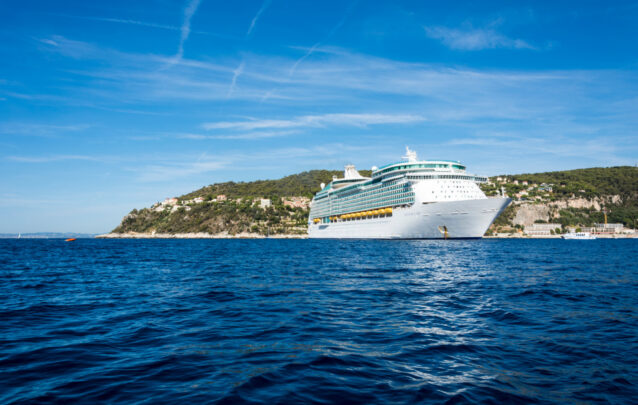
France will introduce a new levy on cruise passengers as part of a broader effort to curb pollution and manage the environmental impact of rising maritime tourism.
According to Euronews, the proposal follows similar measures adopted in Greece and Norway, with the French government budgeting for a charge of €15 (AU$26) per person on cruise ships for every French port call, with an estimated €75 million (AU$132 million) annually to be generated.
Revenues will be earmarked for preserving fragile coastal ecosystems. Cruise traffic to France has grown rapidly in recent years, with more than 3.8 million passengers visiting mainland ports in 2023, according to tourism agency Atout France.
The tax forms part of France’s 2026 budget and aligns with a ‘polluter pays’ principle by placing responsibility for environmental impacts on the operators and passengers of cruise vessels. The French Senate has already endorsed the measure.
Senator Jean-Marc Delia cited data showing that cruise ships emit around seven million tonnes of CO₂ in Europe each year. A separate analysis from campaign group Transport & Environment found that Carnival Corporation produced more CO₂ in 2023 than the entire city of Glasgow.
Despite Senate support, the proposal faces resistance from France’s centrist government, which has expressed concerns about distinguishing ferries from cruise ships for tax purposes. The Assemblée Nationale is expected to debate and decide on the measure later this month.
Local restrictions and regional trends
The national proposal follows a series of local environmental actions in southern France targeting cruise ships. Cannes plans to ban vessels carrying more than 1,000 passengers from its harbour starting 1 January, citing environmental pressures. Nice has similarly capped annual cruise ship arrivals at 65.
Across Europe, governments are increasingly tightening regulations to address pollution, overtourism, and waste discharge associated with large cruise vessels. Greece recently introduced a climate resilience fee that charges cruise passengers €20 at major destinations such as Mykonos and Santorini, and €5 at less frequented ports. Norway now allows municipalities to impose a 3% tourism tax on cruise arrivals to support community services and offset visitor-related costs.
Cities including Amsterdam and Lisbon have likewise raised tourist and cruise taxes as part of broader strategies to manage visitor numbers and finance urban improvements.
If approved, France’s cruise levy would add to a growing patchwork of European policies aimed at reducing the environmental footprint of the cruise industry while supporting local communities affected by its rapid expansion.





 Proudly Australian owned and operated