
The Tyranny of the Tablespoon: A Nostalgic Look at Castor Oil


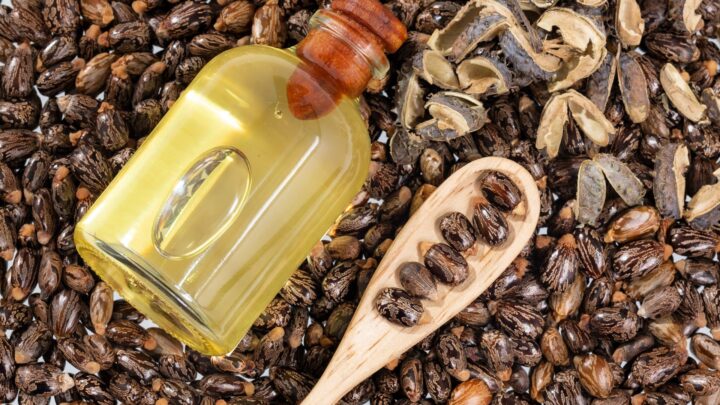
There is a particular kind of dread that only a certain generation of Australians will recognise instantly, and it has nothing to do with war, recession or the price of petrol. It is the dread of your mother approaching with a spoon and a small brown bottle, wearing the calm, unhurried expression of a woman who has done this many times before and will not be argued with.
Castor oil. Just the words still produce, in men and women now well into their sixties and seventies, a small involuntary shudder – the same one you get recalling a dentist from 1971 or a swimming teacher who believed deeply in “the deep end, now.”
For those lucky enough to have missed it, or blocked it out entirely: castor oil is a thick, faintly sinister vegetable oil pressed from the seeds of the castor plant, and for the best part of the twentieth century it was the great universal Australian household remedy – the answer to constipation, sluggishness, a vague sense of being “not quite right,” and, in many households, simply being a child on a Sunday evening when your mother had run out of patience and other ideas.
Did it actually do anything?
Here’s the slightly deflating truth: yes, technically, it did – it’s just that “it” was always the same single thing, no matter what ailment you presented with. Castor oil is, and remains, one of the few genuinely reliable laxatives known to Western and traditional medicine alike, and it’s still the one substance the American FDA has ever formally endorsed it for. Your body breaks it down into a compound called ricinoleic acid, which grabs hold of receptors in your gut and essentially tells your intestines, in no uncertain terms, to get on with it.
Which is a fairly unglamorous way of saying: your mother was not curing your cough, your growing pains, your bad mood, your reluctance to eat vegetables or your general moral character. She was giving you a laxative. A powerful one. Regardless of what you actually had.
Did it hurt us?
Mostly, no – though “mostly” is doing some work in that sentence. A tablespoon of castor oil, taken occasionally by an otherwise healthy child, was not going to do lasting damage, however much the taste alone felt like a punishable offence. The real issue was less about the oil itself and more about how liberally it was dispensed, for problems it had no earthly connection to. Modern doctors are now rather more cautious about it – it’s no longer considered a sensible everyday remedy, cramps and diarrhoea are common if you overdo it, and it’s specifically discouraged during pregnancy because of its rather emphatic effect on uterine muscles, which older generations of midwives once used quite deliberately to bring on labour.
So the honest verdict, sixty-odd years on, is this: it wasn’t secretly poisoning us, but it also wasn’t the miracle tonic it was cracked up to be. It was a decent laxative being asked to do the work of an entire modern pharmacy cabinet, largely because there wasn’t much else in it.
Does anyone still use it?
Astonishingly, yes – though these days it’s had something of a rebrand. Wander far enough into the wellness end of the internet and you’ll find castor oil back in fashion, marketed in soft, spa-toned packaging for hair growth, “detoxing,” joint pain and rubbing into your belly button before bed for reasons that remain scientifically unclear to absolutely everyone, including, one suspects, the people selling it. Dermatologists note it does have some genuine anti-inflammatory and moisturising properties when used on skin, and it’s still occasionally recommended by doctors before certain medical procedures. But the days of a spoonful before school are, thankfully, long gone – replaced by a nicer bottle, a higher price tag, and noticeably less shouting.
Which feels, on balance, like progress. Our generation survived the tablespoon. We do not need to make our grandchildren do the same.
Did castor oil feature in your childhood? Share your (traumatic) memories in the comments below.





 Proudly Australian owned and operated
Comments 2
Join the conversation. Comments are reviewed before they appear.
yes and it worked like a jumbo taking off.
Mum no, but my grandmother definitely. It was there in the hall cupboard with band aids (little red string to open) cotton wool and other mysterious bottles. I remember getting a spoonful on a few occasions.
Join the conversation
Tell us who you are to post a comment. We'll remember you next time.