
‘Retirement is like putting on new tyres’: The Sydney couple helping make childbirth safer in Tanzania


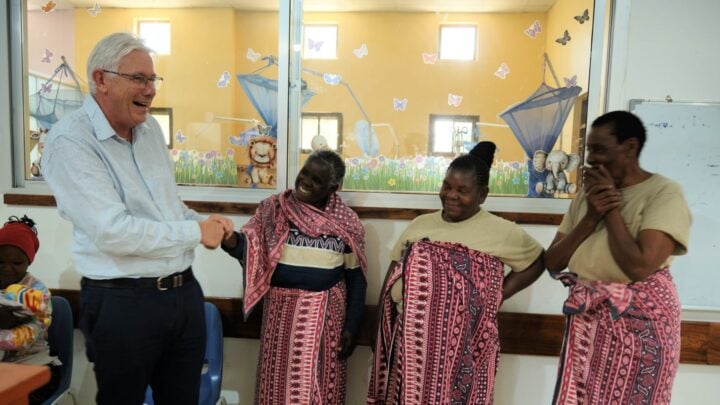
After decades caring for women with high-risk pregnancies, Professor Jonathan Morris AM could have stepped away from medicine altogether. Instead, he and his wife Katherine have shaped a new chapter around family, purpose and sharing their expertise where it can make a lasting difference.
Professor Jonathan Morris AM has a different way of looking at retirement.
“I think people talk about retirement like putting on new tyres,” he says. “You’re doing different things.”
For Jonathan, those different things include travelling to Africa several times a year with his wife Katherine, chairing a maternal healthcare foundation, serving on the board of Anglicare, working with a medical start-up and helping build a school in a remote part of Tanzania.
It is not exactly slowing down, although life has changed considerably since his years delivering babies and caring for women experiencing high-risk pregnancies in Sydney.
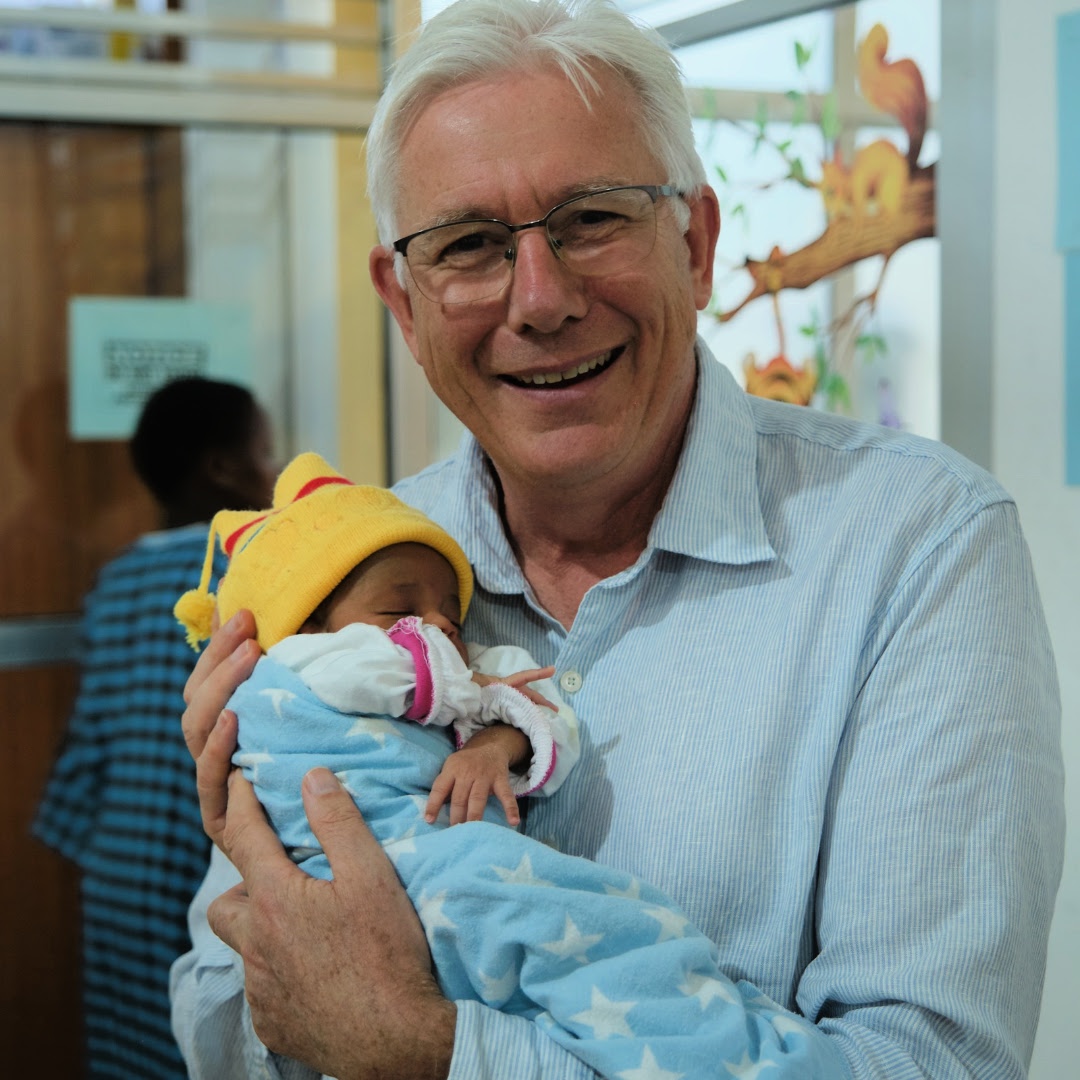
Jonathan and Katherine now live in Cremorne on Sydney’s Lower North Shore, having downsized from their family home. Like many couples who assume the need for extra space has passed once their children leave home, they soon discovered that grandchildren have a way of changing those calculations.
“We’ve downsized and moved out of the family home, but subsequently added a room or two as grandchildren have arrived,” he says. “Those you thought had left home have returned with little ones.”
Jonathan no longer works formally for the university or delivers babies, but his decades of experience as an obstetrician, researcher and maternal–fetal medicine specialist remain central to the life he has built.
Since 2017, he and Katherine have travelled to Tanzania an average of twice a year, occasionally making three trips. Their longest stay was nine months in 2019.
The opportunity arose through Jonathan’s friendship with Australian obstetrician and fistula surgeon Dr Andrew Browning AM, founder of the Barbara May Foundation. Jonathan had followed Andrew’s work in Ethiopia and Tanzania for years and, when the pair renewed contact, mentioned that he and Katherine were interested in working in Africa.
One visit led to another, Jonathan joined the foundation’s board and eventually became its unpaid chair.
The couple had always imagined using their skills overseas once the demands of their established careers began to ease.
“We always had the desire to do something,” Jonathan says. “We also talked about being grey nomads, but as the time got to us, we still really wanted to use our skills in a way that could be applied in parts of the world that just don’t have the opportunities to access healthcare like ourselves.”
Nothing, however, could completely prepare him for arriving in Tanzania.
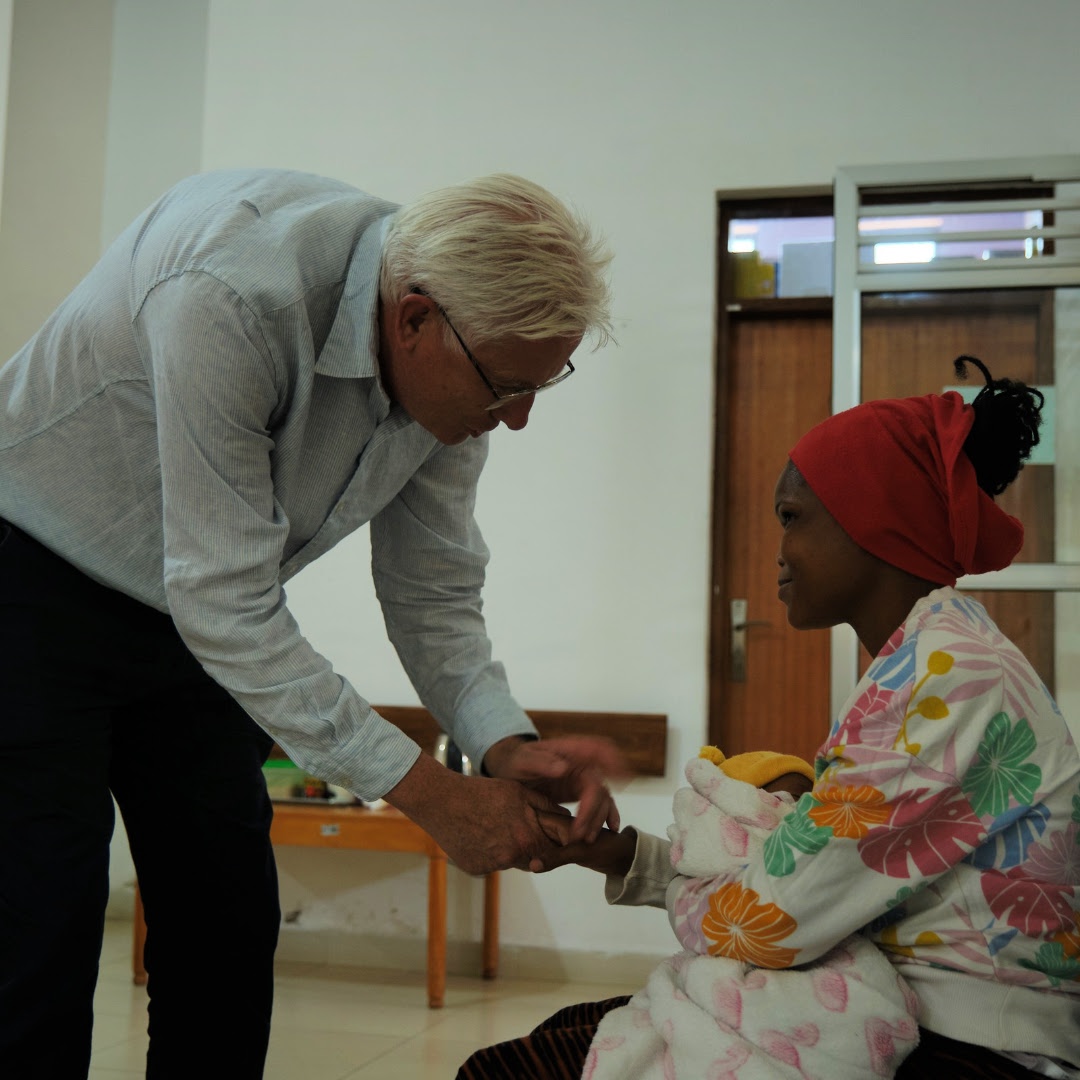
“Despite thinking you know somewhere through stories and pictures, it’s only when you visit that you truly appreciate a place,” he says.
Instead of crawling through Sydney traffic on the way to hospital, Jonathan remembers finding his path blocked by a herd of cows. The differences extended far beyond the journey to work.
“The other enduring impression very quickly is how generous people are with their time and interested in you as a person, not because of what you do, but who you are,” he says.
“One word you never hear in Africa is ‘busy’, whereas if you speak to anyone in Australia, that’s often one of the first things they’ll say.”
He was also struck by the importance placed on relationships and the respect shown to elders. Meetings did not begin until everyone had been properly introduced and acknowledged, a sharp contrast to the clock-driven working life he had known in Australia.
Jonathan worked across maternity and newborn care, while Katherine, an experienced sonographer, helped provide ultrasound services and training. The arrival of portable, high-quality ultrasound machines has created new possibilities in African hospitals, but technology is only useful when local health workers have the training and confidence to use it well.
Jonathan jokes that Katherine’s skills may make her more sought-after than he is.
“She’s arguably far more valued than I am over there,” he says.
Sharing the work has also added another dimension to their marriage.
“It enriches the relationship as you share experiences together in a new setting,” he says.
Although Jonathan arrived with decades of specialist knowledge, he was determined not to position himself above the local doctors. During his first placement, he joined their roster and became the first person on call every third night.
“You’re not there to instruct or direct,” he says. “You’re there to lift people up by encouraging them and giving them confidence in their own ability to problem-solve and perform surgery safely and appropriately.”
Working as a colleague rather than an outsider with all the answers made people more receptive to exchanging ideas, but the learning went both ways. Jonathan gained a greater understanding of traditional medicines, spiritual beliefs surrounding health and the cultural context in which Tanzanian doctors and midwives care for women.
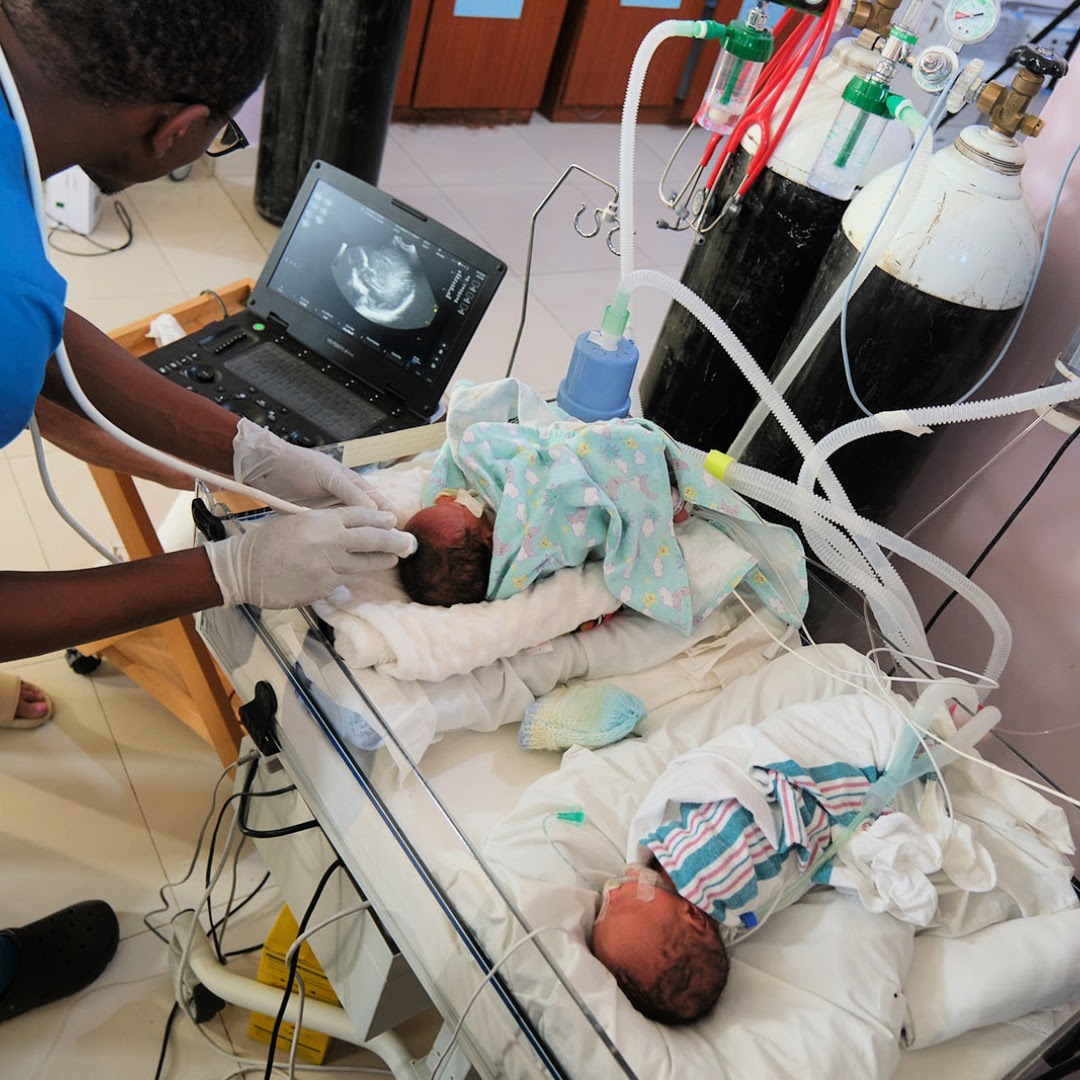
The experience also reminded him that advanced healthcare is not always about doing more.
“We tend to want to intervene all the time,” he says. “Sometimes the best but hardest thing to do is to wait.”
At other times, the measures that save lives are remarkably basic. Consistent handwashing, iron tablets, malaria prevention and tetanus protection can have a greater impact than many of the expensive medications and machines routinely available in Australia.
Among the women who remain in Jonathan’s memory is a mother who had endured nine pregnancies without a surviving child. When she finally gave birth to a healthy baby, the emotion spread through the hospital.
“There was a tear in everyone’s eye,” he says. “It’s those women who, despite amazing adversity, ultimately triumph. The emotion is just wonderful.”
The Barbara May Foundation supports maternal hospitals, fistula treatment and the training of local health professionals in several African countries. For Jonathan, the most meaningful measure of its work is not the number of visiting specialists, but what local teams can continue to achieve themselves.
When he and Katherine can no longer make the journey, he hopes the friendships, confidence and knowledge shared over the years will remain.
“The real reward is that many of the staff, whether they’re people in the kitchens, nurses, midwives or doctors, become your friends,” he says. “Hearing about their successes and thinking you’ve been able to share some of your experience and expertise with them — that is the legacy.”
His advice to anyone approaching retirement with valuable experience but no clear idea of what should come next is to recognise that contribution does not need to happen on the other side of the world.
“Everyone has something to offer,” he says. “I’d encourage anyone to think about how they could use their skills, be it locally or overseas. There’s no shortage of opportunities.”
Finding them may require taking a risk, entering an unfamiliar environment or letting go of the idea that later life should follow a prescribed path.
“We are relational people, and it is remarkably fulfilling to be able to do things with people,” Jonathan says. “I’d encourage everyone to pursue things and, if necessary, go outside their comfort zone.”





 Proudly Australian owned and operated
Comments 1
Join the conversation. Comments are reviewed before they appear.
Appreciated the comments on retirement opportunities and opening doors... being at that point in the next couple of months myself. Thanks for the encouragement and vision lifted.
Zara
Join the conversation
Tell us who you are to post a comment. We'll remember you next time.