
Does jet lag get worse as you age?


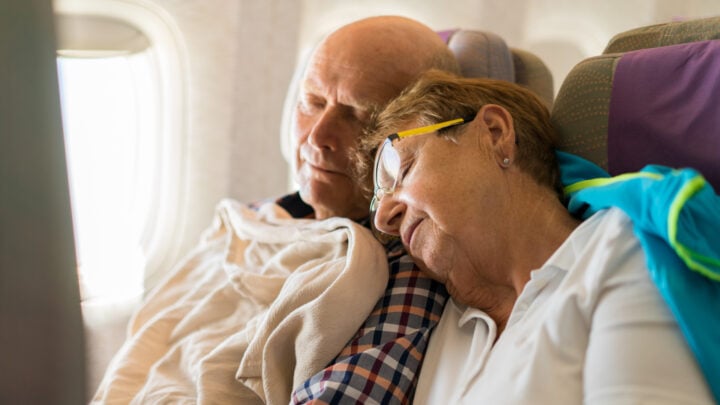
It had been two weeks since I returned home from a four-week trip around Europe. As a seasoned long term traveller, one would think my body clock would adjust quickly.
The fact is, after travelling across three time zones, it has been a struggle. I have been wide awake most of the night, staring into the darkness or listening to a podcast. I try to avoid turning the light on. Light penetrating the eyes has a significant impact on our adjustment to local time. “Jet lag is a circadian rhythm sleep-wake disorder that occurs when your 24-hour clock does not match the local day-night cycle”.
By the time I rise in the morning, I am ready for sleep. I refuse to give in and drag myself out of bed, desperate to adjust my body clock to Aussie hours, although I feel out of sorts for the entire day.
I remember a few years back when I returned home from overseas. I would arrive early morning, shower then off to work the same day. It took a few days to adjust but nothing like I am now I am older. I may have felt a little off but overall felt on top of things. Now, if I attempted that same routine, I would be unsafe to myself and others due to lack of concentration, vagueness and bouts of the need to have a nap, even standing up.
Symptoms
It is possible to suffer from insomnia during the night, daytime drowsiness, headaches, trouble concentrating, mood changes, fatigue, not feeling yourself, feeling irritable, tummy upset.
Jet lag affects people differently, and as expected, the further you fly, the worse the condition and the more difficult for our bodies to adjust.
Causes & Contributing Risk Factors
It is said that jet lag can be more of a challenge if travelling from west to east, such as returning to Australia from Europe or North America. Research shows this is due to shortening our days and makes it harder to fall asleep earlier than our body is used to, and it upsets the circadian rhythm.
Other aspects can contribute to jet lag and make symptoms worse, such as sitting for long periods on a plane, lack of oxygen and decreased air pressure in the cabin and warm temperatures with low humidity that cause dehydration. Added to this, your age seems to be another burden.
Some studies have shown that people over the age of 60 experience circadian rhythm changes more frequently; layover time and how many stops without sleep, the arrival time of your destination, poor sleep before you travel, stress levels, use of alcohol and caffeine and which direction you are travelling all contributing factors.
Other studies have shown that older adults have more difficulty adjusting due to their decline and the efficiency of the body’s natural sleep-wake cycle. Older adults may require more time to recover compared to younger individuals.
As people age, the internal clock is more resistant to change, which takes the body longer to adjust to a new time zone. Melatonin, the hormone that regulates sleep, decreases with age, making it harder to fall and stay asleep.
I was comforted to discover that after a simulated jet lag study, middle-aged individuals reported suffering longer from sleepiness, weariness, and difficulty with daily functions from jet lag. It’s not just in my head.
Managing jet lag
As soon as you arrive home, get outside during daylight hours. It helps our body to recognise when it is time to be awake, even artificial light helps. I tend to sit in the sun with a cup of tea in the morning, even in the cold weather.
Adjust to your home sleep schedule of sleeping/awake times. Sleep on the plane if possible, and enquire about potential sleeping aids. I take a melatonin supplement at night once home.
Choose foods that are easy to digest, drink plenty of water, and avoid alcohol and coffee, although I tend towards a strong coffee for the first few days by mid-morning.
Be prepared that it could take up to two weeks to readjust.
There can be complications with jet lag for flyers who consistently fly over long periods: sleep issues can lead to diabetes, depression and some cancers.
After investigating jet lag for older adults, it doesn’t mean I won’t be travelling; it simply provides me with a better understanding of how to prepare, what to expect, and to allow adequate adjustment time when I return home.
Acknowledgements:
https://my.clevelandclinic.org/health/diseases/12781-jet-lag
https://www.sleepfoundation.org/travel-and-sleep/jet-lag
Generated AI search and overview results





 Proudly Australian owned and operated
Comments 2
Join the conversation. Comments are reviewed before they appear.
Great article- my internal. Clock has been disrupted since arriving in Munich, Germany from the Deep South in the USA.
We arrived on a Weds - the night before leaving, my sleep was already lacking. Between long layovers and the time that we arrived, I had lost more than 24 hours of good sleep.
It’s now a week later- my mind and body has adjusted some, but daytime sleepiness has continued.
We have one more week in Germany- I’m looking forward to being back home in the USA and have my usual routines -
I’m over age 70 now.
In defense of Germany, they have delicious food and we could stay for 6 months are never see all that Germany has to offer culturally.
I do have a suggestion for older Americans who fly to Europe- try to rest or if you can sleep or doze in the jet, do so. Because many air carriers have hardly any seat padding- bring a foam roll up pad in your carry on to use as an aid to lessen discomfort. Also, bring a small pillow for your neck..
As a senior citizen, I think this article is helpful! Knowing what to expect is imperative.
Lastly, many. Restaurants in Munich do not cater to people in wheelchairs- do your reprice to heading across the pond.
My last portion should have read to do your “ research “ prior to flying.
Join the conversation
Tell us who you are to post a comment. We'll remember you next time.