
One Nation smells blood as Coalition implodes – and the next 12 months could change Australian politics


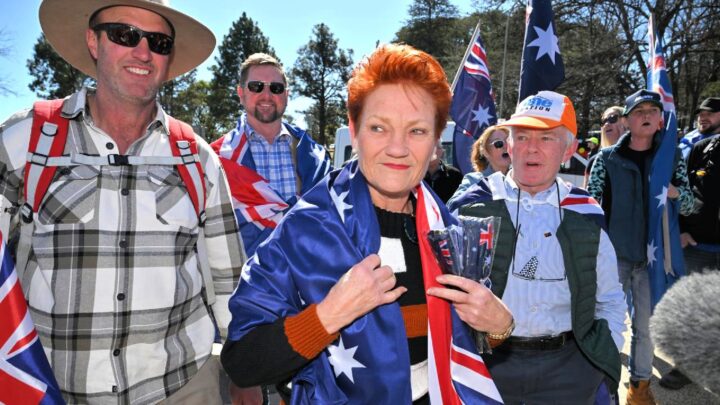
Pauline Hanson’s One Nation is no longer a protest vote parked on the fringes. It is now circling the wreckage of the Coalition – and, for the first time in its history, openly being discussed as a pathway to real power.
After weeks of Liberal–National infighting, leadership speculation and a very public Coalition breakdown, One Nation has surged to 26 per cent in the latest RedBridge poll – a staggering nine-point jump. At the same time, the combined Liberal and National primary vote has plunged seven points to just 19 per cent.
That is not noise. That is a realignment.
The collapse of Coalition unity in mid-January has left conservative voters politically homeless. And One Nation is moving quickly to lock them in.
Even senior Liberals now admit the damage. Frontbencher Dan Tehan bluntly warned that “disunity is death”, while Liberal senator Jane Hume acknowledged voters were drifting to One Nation because they felt “aggrieved” – a telling admission from a party that once owned those voters.
Meanwhile, Labor is watching from the sidelines, describing the opposition as a “bin fire” – but quietly aware that One Nation’s rise complicates the electoral map far beyond the Coalition’s problems.
From protest party to political force
The shift is no longer theoretical.
One Nation has announced it will run candidates in every electorate at the next South Australian state election, a clear signal it is transitioning from selective disruption to full-scale competition.
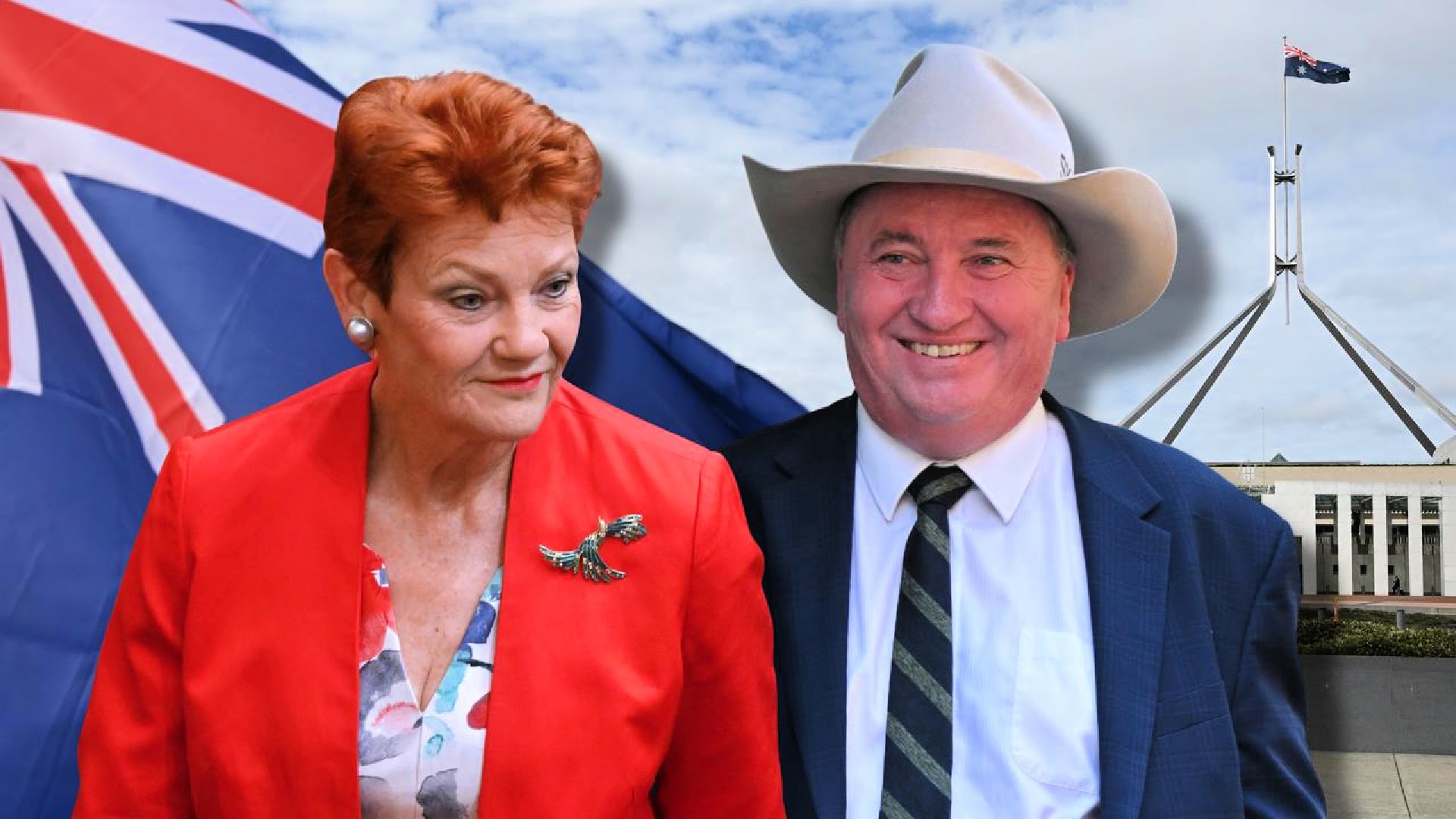
At the federal level, the conversation has also sharpened. The Daily Telegraph has run a think piece openly canvassing the once-unthinkable: Barnaby Joyce as a future One Nation prime minister if conservative fragmentation continues.
That scenario would have sounded absurd a decade ago. Today, it is being discussed because the numbers demand it.
What the next 12 months could look like
If One Nation capitalises on this moment, the next year could mark its most consequential period since the party’s formation.
1. Absorbing Coalition refugees
Expect a steady bleed of conservative voters – and potentially candidates – from the Liberals and Nationals. Reports that former Liberal senator Cory Bernardi could be the next high-profile One Nation recruit would be symbolic, not surprising. More will follow if polling momentum holds.
2. Becoming the default conservative protest vote
As long as the Liberals remain consumed by leadership instability – with Sussan Ley under pressure and Angus Taylor looming – One Nation benefits. Every leadership spill, every internal leak, reinforces Hanson’s core message: the major parties are broken.
3. Forcing preference negotiations
With primary support in the mid-20s, One Nation becomes unavoidable. Both major parties will be forced to reckon with its preferences – publicly condemning it while privately negotiating electoral survival.
4. Expanding state-level power
Running full tickets, particularly in South Australia, gives One Nation organisational depth it has previously lacked. Even modest seat gains would legitimise the party as more than a Senate disruptor.
5. Redefining the right
If the Coalition cannot reunite or stabilise, One Nation may no longer sit to its right – it may replace it as the primary voice of conservative grievance politics.
The Coalition’s problem – and One Nation’s opportunity
Liberal senator Jane Hume insists One Nation’s surge is “not sustainable”. That may be true – but only if the Coalition offers voters something better.
Right now, it isn’t.
With leadership speculation swirling, Angus Taylor waiting in the wings, Andrew Hastie stepping aside, and party unity nowhere in sight, conservative voters are making a cold calculation. One Nation, for all its controversy, looks stable, clear-voiced and unapologetic.
Pauline Hanson has seen moments like this before. The difference now is scale – and structure.
If One Nation plays this next year smartly, the question may no longer be whether it influences Australian politics — but whether it reshapes it entirely.





 Proudly Australian owned and operated
Comments 0
Join the conversation. Comments are reviewed before they appear.
Be the first to comment.
Join the conversation
Tell us who you are to post a comment. We'll remember you next time.