
On This Day: April 27


Pour yourself something warm. April 27 is a date with genuine sweep – from one of the most joyful days in modern history to one of its most forgotten tragedies, and a piece of music so familiar that you are probably hearing it in your head right now.
1994 — The day South Africa voted
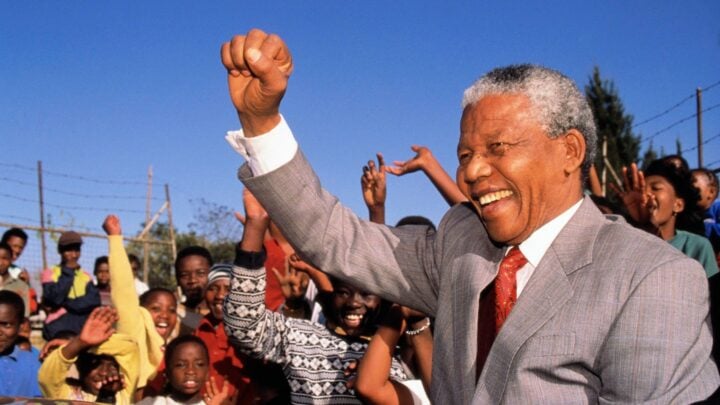
On April 27, 1994, South African citizens of all races were allowed to vote in a general election for the first time. The queues stretched for miles. People who had waited their entire lives stood in the sun for hours, some of them elderly, some of them weeping, some of them simply silent with the weight of the moment.
For decades, apartheid – the system of legislated racial segregation that had governed South Africa since 1948 – had denied Black South Africans the most basic rights of citizenship. Nelson Mandela had spent 27 years in prison for opposing it. When he walked free in 1990, the world held its breath. When the election was finally called for April 1994, the world watched again.
The turnout was extraordinary. Voting continued for four days. And when the results came in, the African National Congress won with 62 per cent of the vote, and Nelson Mandela became the first democratically elected President of South Africa. In his inaugural address, he said: “Never, never and never again shall it be that this beautiful land will again experience the oppression of one by another.”
April 27 is now Freedom Day in South Africa – a national public holiday. It is one of the most important dates in the modern history of democracy, and it happened in our lifetime.
1810 — The piece of music everyone knows
On April 27, 1810, Ludwig van Beethoven composed Für Elise, one of the most recognised melodies in the history of music. He was 39 years old and already losing his hearing – one of the great cruelties in the history of art. The piece was a small, personal work, written as a gift for someone. It wasn’t known to the world until 1867, decades after Beethoven died, when a scholar found the manuscript.
We still don’t know for certain who Elise was. Some historians believe the dedication was misread and the piece was actually written for a woman named Therese. Others have argued for different candidates entirely. The mystery has never been solved. What is not in question is the music itself – those opening notes, instantly recognisable to virtually every person alive, written by a man going deaf, in a small room, on a spring day in 1810.
1865 — The disaster nobody remembers
Here is a piece of history that deserves to be better known. The worst maritime disaster in American history did not happen at sea. It happened on the Mississippi River, near Memphis, Tennessee, on April 27, 1865, when a boiler exploded on the overloaded steamship Sultana, killing some 1,800 people.
Many of the dead were former Union prisoners of war returning home from Confederate prison camps after the end of the Civil War. These men had survived years of captivity and starvation, been liberated, and were finally on their way home when the boat – carrying more than five times its authorised passenger capacity – exploded in the dark. The death toll exceeded that of the Titanic by several hundred.
The disaster received almost no press coverage at the time. It happened twelve days after Abraham Lincoln was assassinated, and the country’s attention was entirely consumed by the manhunt for John Wilkes Booth and the grief of a nation. The Sultana sank almost without notice, and has remained one of history’s most forgotten catastrophes ever since.
1521 — The navigator who almost made it all the way around
After travelling three-quarters of the way around the globe, Portuguese navigator Ferdinand Magellan was killed during a tribal skirmish on Mactan Island in the Philippines on April 27, 1521. He was attempting to demonstrate Spanish power by helping a local chief defeat a rival – a battle that was, in hindsight, entirely unnecessary to the voyage. He died less than a year before his ships completed the first circumnavigation of the Earth. Someone else got to finish it. He got a battle on a beach.
Also on this day…
Construction began on the Burj Khalifa in Dubai on April 27, 2006 – the building that would become the tallest in the world at 828 metres, and which remains so today. And in 1828, London Zoo opened its gates to the public for the first time, housing its collection in Regent’s Park in what became the world’s oldest scientific zoo.
Some days carry the whole of human history in them. April 27 is one.
Come back tomorrow for another spin through the calendar.





 Proudly Australian owned and operated
Comments 0
Join the conversation. Comments are reviewed before they appear.
Be the first to comment.
Join the conversation
Tell us who you are to post a comment. We'll remember you next time.