
You’ve earned this trip: why the sub-Antarctic islands are more accessible for older travellers than you think


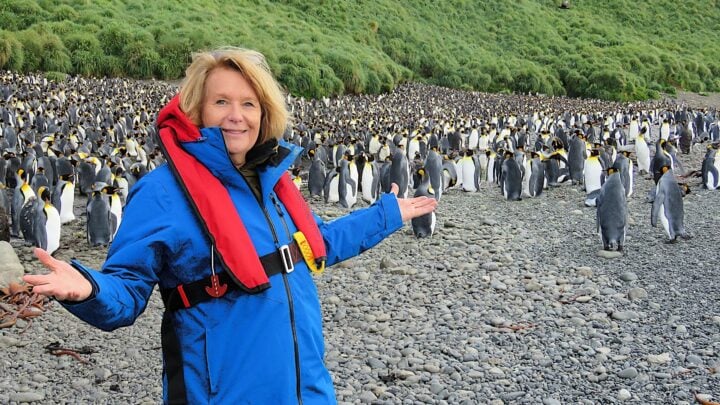
Sub-Antarctic islands are a walk in the UNESCO World Heritage park for travellers in the 60- plus age group, writes Sue Halliwell.
Have you always wanted to visit sub-Antarctic islands but wonder if you’re too old for the challenge now that you can afford it?
It’s understandable; these remote and rugged nature reserves and UNESCO World Heritage Sites define extreme adventure. Dotted between Antarctica and the southern tips of Australia, New Zealand and South America, they are shaped by powerful currents and daunting winds known as the ‘Roaring Forties’ and ‘Furious Fifties’.
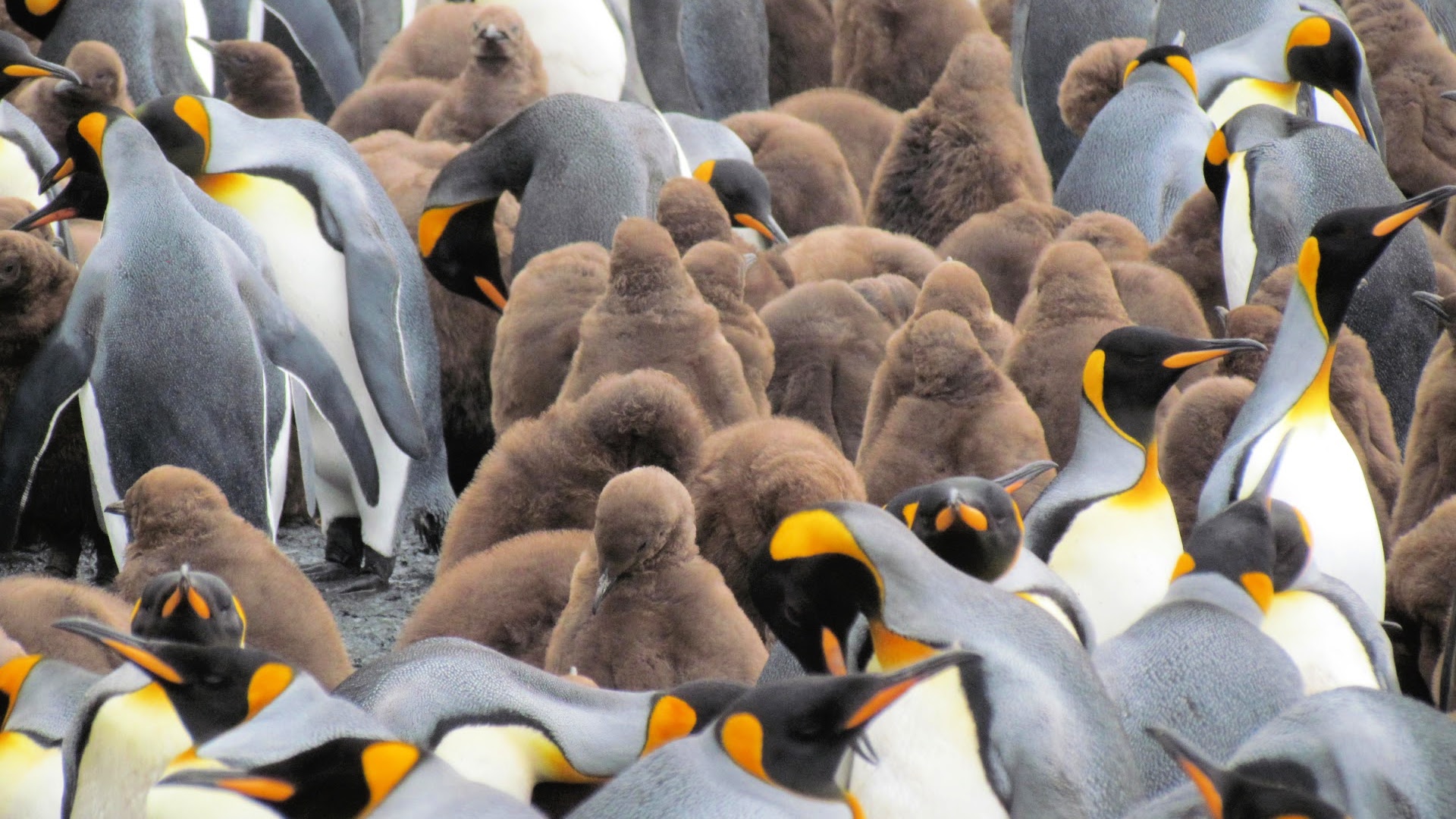
Their coasts are strewn with ancient wrecks and their folklore with epic tales of survival, and in part, that’s what draws us to them; this, and their extraordinary beauty, unique geology, vast seabird colonies, rare and wonderful flora, and profusion of seals, sea lions and whales.
Perhaps the most well-known are the Australasian Snares, Auckland, Campbell, Antipodes, Bounty and Macquarie island groups, and South Georgia and the Falkland and South Sandwich Islands beyond South America. For sure, they are a world apart, but are they really that difficult for older travellers to access and enjoy? Not in my experience.
My work life has taken me aboard multiple sub-Antarctic expedition cruises, my most recent an Aurora Expeditions Sub-Antarctic Discovery cruise in January featuring New Zealand’s sub- Antarctic islands and Macquarie Island. As is generally the case, most passengers were likely receiving a pension. But, they were prepared pensioners, and that’s what makes the difference in these challenging environments.
So, how do older passengers prepare for a sub-Antarctic cruise?
First, by choosing the right cruise. That starts with deciding on which sub-Antarctic islands to visit – Australasian or South American – and why. Or, you could do both; Aurora Expeditions offers a fabulous 34-day Epic Antarctica – Crossing the 7th Continent’ voyage that includes all the major sub-Antarctic islands and a comprehensive Antarctic experience. It is also one of a number of companies featuring sub-Antarctic islands in their Antarctic itineraries, so check those out, too.
Having decided on where, look at how. For comfort and peace of mind, travel with a cruise company experienced in polar or sub-polar voyages using purpose-built ships. With Aurora Expeditions celebrating 35 years in operation and using uber high-tech vessels designed to reduce motion in rough seas, they were a no-brainer for this seasick-prone traveller.
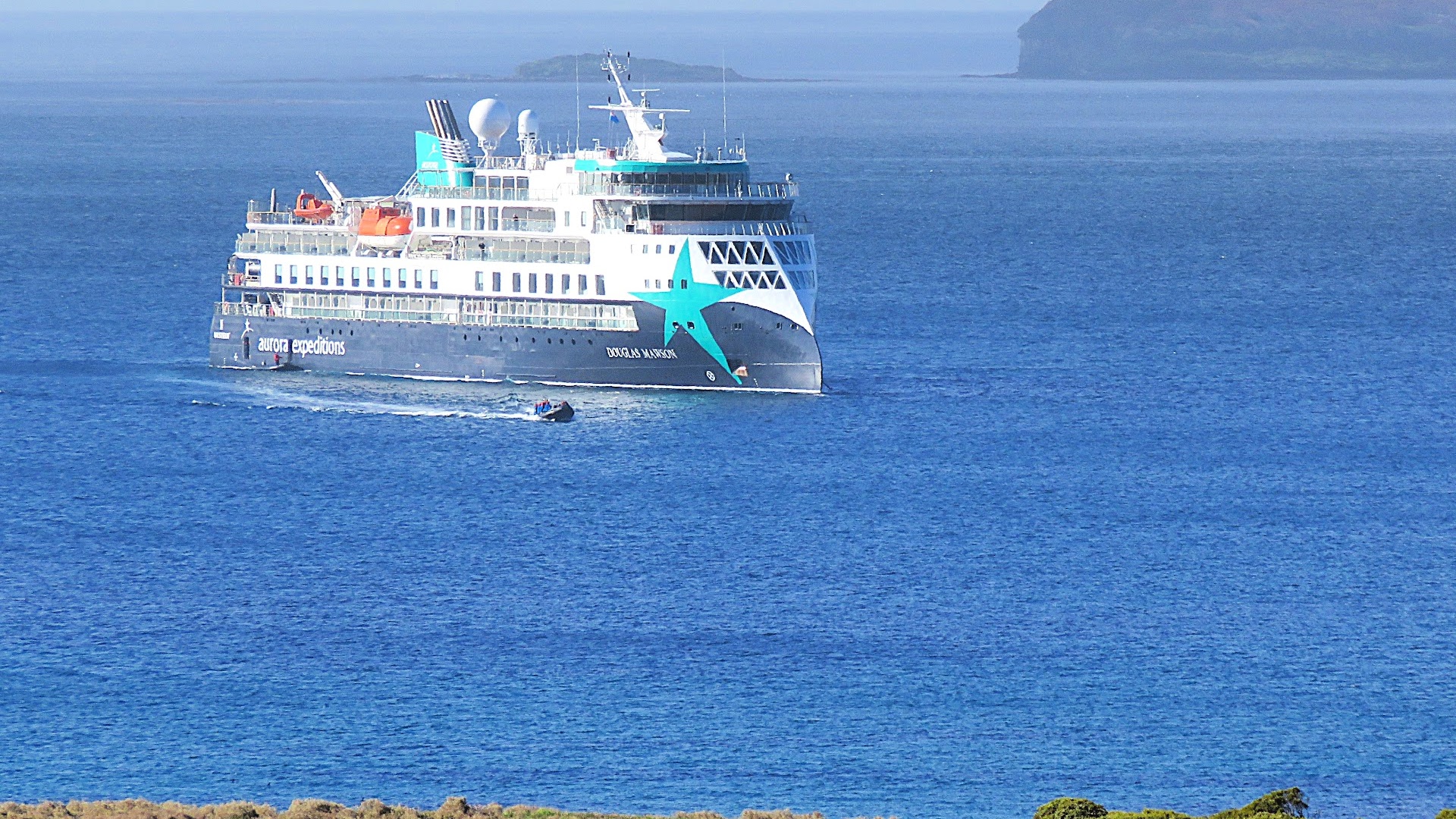
The ‘how’ sorted, let’s discuss your why. If that’s photography, you’ll have a field day on these islands, so ensure your cruise has a photography focus before booking. Professional photographers conducted regular photography tutorials aboard my Aurora Expeditions voyage and were available off-ship to sort issues and focus me in the right direction, so to speak. That’s the level of support to look for.
However, if you simply wish to experience these unique environments or meet their residents, check the finer cruise details. Confirm the cruise lands you ashore, where permitted, or offers zodiac exploration at the very least. Not all do, especially the larger ships.
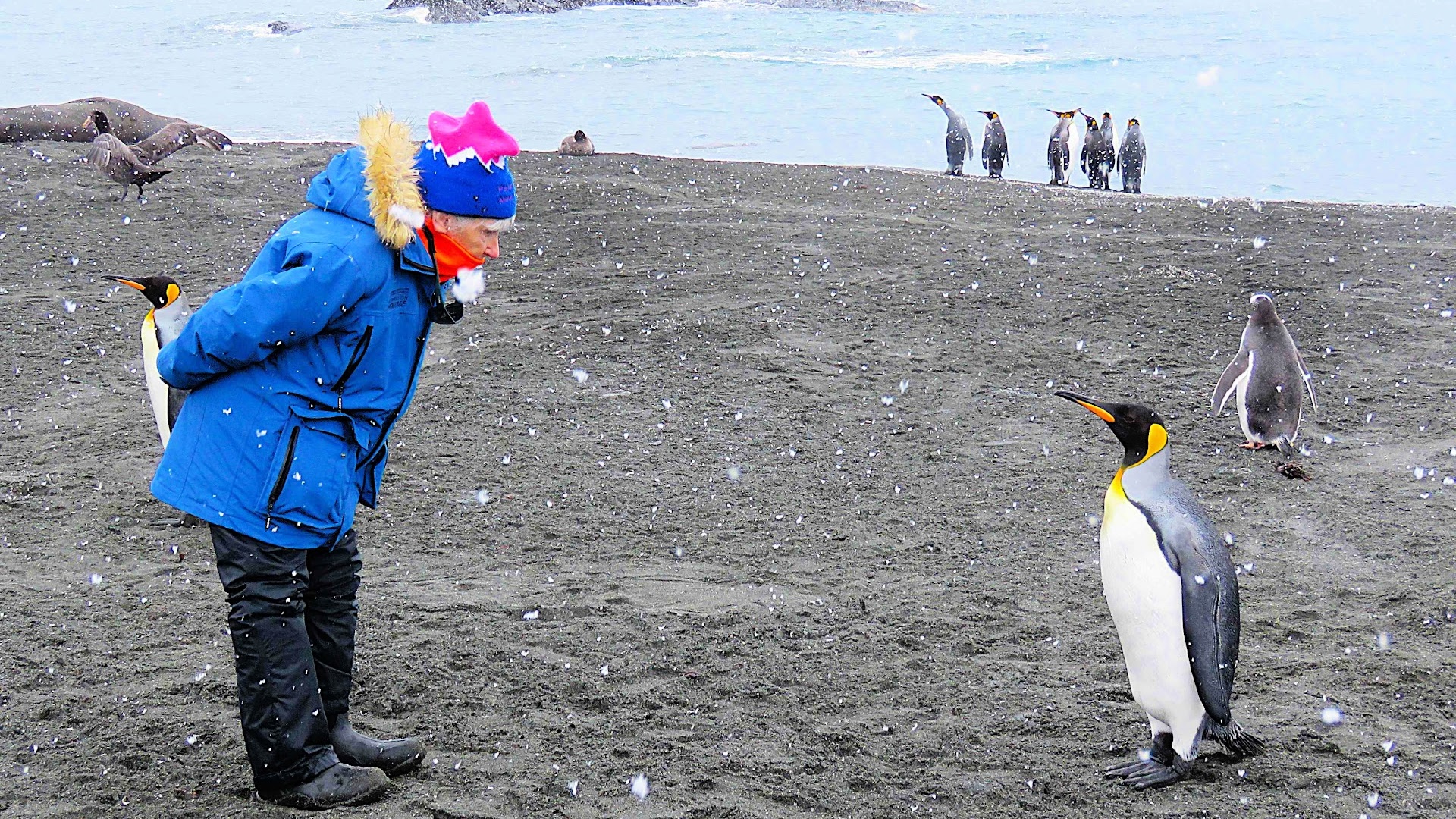
Also ensure the ship offers onboard experts to educate and guide you on what you’ll see and how to stay safe while seeing it. As an Aurora passenger I expected and received first-rate information and instruction from our crew and naturalists before meeting the sub-Antarctic locals and their habitats, a standard maintained both ashore and in the zodiacs.
For cruise newbies, a zodiac is an inflatable boat used by many cruise companies to transport passengers ashore and on coastal explores. While older would-be cruisers might feel hesitant using them, I strongly encourage giving it a go for the exhilarating experience they offer. Our Aurora crew went out of their way to ensure we felt safe in, entering and exiting these zippy little craft, regardless of age or mobility.
Mobility can be an issue ashore, however, as many of these islands have limited developed infrastructure and walks can be across uneven ground. Aurora therefore offered several activity levels for shore excursions, with the shorter or slower-paced walk options still maximising viewing and wildlife opportunities.
Some passengers simply came ashore to admire the scenery and wildlife, while others took the zodiac cruise option offering nearness to the action without any physical exertion.
If you do have fitness concerns, talk with your doctor before signing up for this sort of cruise.
Ask whether a pre-departure fitness program to develop strength, endurance and flexibility would be wise, and perhaps add a chat about nausea medication while you are there.
Getting comprehensive travel insurance is another important way to minimise risk. Ensure yours covers trip cancellation, medical emergencies and evacuation from remote places that may require costly air transport.
Feeling secure and comfortable is paramount as an older sub-polar tourist, and that extends to your accommodation aboard ship. If you can afford to, book a cabin with ensuite near to dining and lounge areas and situated mid-ship on a lower deck to limit the impact of ship movement.
Personal comfort should also guide your packing. Older folk can feel the cold, so invest in quality thermal layers, including moisture-wicking base layers, insulating middle layers, and a waterproof outer layer. Conditions can shift rapidly in sub-Antarctic climates, even in summer, so bring warm gloves and hats, a neck cover and a strong but compact day pack to carry them all. Also include comfortable clothes and shoes for days aboard ship, and a few smart-casual outfits for drinks and dinner.
Aurora Expeditions provided us with warm, waterproof jackets and gumboots for onshore excursions – not all companies do – which saved valuable suitcase weight and space. Their reasonably priced, same-day laundry service also meant I could pack light.
As mentioned, bring ample medication and include strong sunscreen, polarised sunglasses, top notch binoculars, and books or devices for relaxing in your cabin during down time. Or, you could visit the well-stocked library.
My final advice is to take time to enjoy the sweeping landscapes, oceans and skies of the sub- Antarctics, and their abundant wildlife. You’ve earned this trip, and there is no age limit on having fun in the sub-Antarctics provided you’re well prepared.
You could even say it’ll be a walk in the UNESCO World Heritage park.
If you would like to chat about a cruise to the sub-Antarctic islands call the Travel at 60 team on 1300 414 198
Sue Halliwell travelled to the Australasian sub-Antarctic islands in January 2026 with Aurora Expeditions. To learn more about the company’s polar and sub-polar cruises, go to www.aurora-expeditions.com





 Proudly Australian owned and operated
Comments 0
Join the conversation. Comments are reviewed before they appear.
Be the first to comment.
Join the conversation
Tell us who you are to post a comment. We'll remember you next time.