
Women over 50 now the fastest-growing group in Alcoholics Anonymous Australia


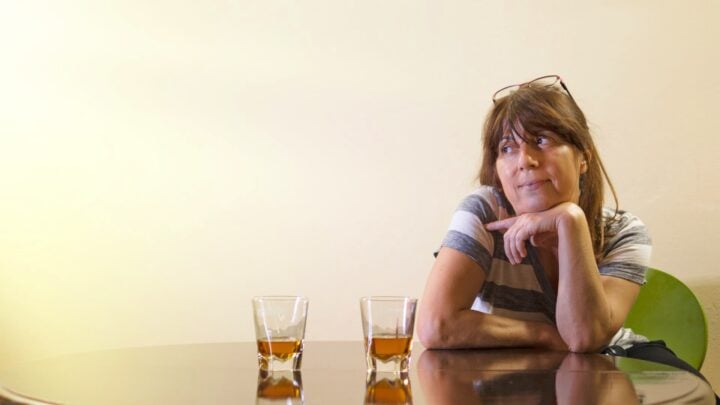
If you still picture the “typical” Alcoholics Anonymous meeting as a room full of older retired men, think again.
In 2026, the average AA member in Australia is female, university educated, employed, over 50 and sober for 17 years, according to recent survey data from Alcoholics Anonymous.
For the first time, women now outnumber men in Australian AA rooms, making up 51 per cent of members in 2025 – a significant shift from 2005, when the typical member was male, over 40, retired and had been sober for just under 10 years.
This change is more than a statistic – it reflects a broader story unfolding among Australian women navigating work, family, ageing and health.
Why Are More Women Over 50 Seeking Help?
Health professionals say the profile of alcohol dependence is changing.
Clean Slate Clinics senior clinician Fiona Faulkner says many women now presenting for support grew up in workplaces and social settings where drinking was normalised – even expected.
“Women of that generation have often been brought up in an era where they are expected to drink to keep up with the guys at work,” she says.
Add to that menopause and hormonal shifts, and what may have been “manageable drinking” for decades can quietly tip into dependence.
This aligns with broader national concerns. Around 40,000 Australians present to emergency departments each year for alcohol withdrawal, and an estimated 70 per cent relapse within 30 to 90 days of detox, often returning to hospital in a revolving cycle of readmission.
The Hidden Face of Alcohol Dependence
Tasmanian Alice Hansen says the demographic shift in AA rooms has been unmistakable.
“In AA rooms in 2008, it was older men that I couldn’t relate to as a young woman,” she says.
“But I saw that shift over time to be women my age; mothers, professional people. People who look like they have it all together.”
On paper, Hansen didn’t fit the stereotype. She earned a tennis scholarship in the United States, built a career in tourism and held a university degree. Privately, she was hiding bottles in linen cupboards and structuring her life around access to alcohol.
She entered rehab in 2008 and was later readmitted 26 times, part of the large proportion of Australians who relapse shortly after detox.
Experts say part of the problem is structural. Hospitals can safely manage acute withdrawal over several days, but follow-up care is often limited. Patients are discharged back into the same environments that contributed to their dependence.
“Following the detox period people are quite vulnerable,” Faulkner says. “We are asking people in this state of stress … to have the willpower to do better and make the change – and it’s not an environment when willpower thrives.”
The Cost – Personal and Financial
Repeated hospital admissions come at a significant cost.
A single patient can generate $12,000 to $20,000 per year in acute care costs, without achieving sustained recovery.
Clean Slate Clinics has proposed a National Hospital Avoidance Program, a 90-day structured follow-up model estimated to cost around $3,700 per patient, aimed at reducing relapse and emergency department presentations.
Advocates argue that alcohol dependence should not be framed as a personal failure, but as a health issue requiring continuity of care – particularly for women in midlife and beyond, who may already be juggling work, caring responsibilities and health changes.
A Story of Recovery
For Hansen, structured telehealth follow-up and doctor-led continuity of care changed her trajectory.
Today she is sober, runs marathons, sails her yacht and leads wellness retreats in Tasmania.
Her story reflects both the challenge and the hope behind the statistics.
The growing number of women over 50 in AA suggests that alcohol dependence in Australia does not look the way it once did. It is increasingly female, often professional, frequently hidden – and more common in midlife than many realise.
For families, policymakers and women themselves, that shift matters.
Support is available:
Lifeline 13 11 14
beyondblue 1300 22 4636





 Proudly Australian owned and operated
Comments 0
Join the conversation. Comments are reviewed before they appear.
Be the first to comment.
Join the conversation
Tell us who you are to post a comment. We'll remember you next time.