
When it doesn’t pay to be a guest


CRISP ON SUNDAY
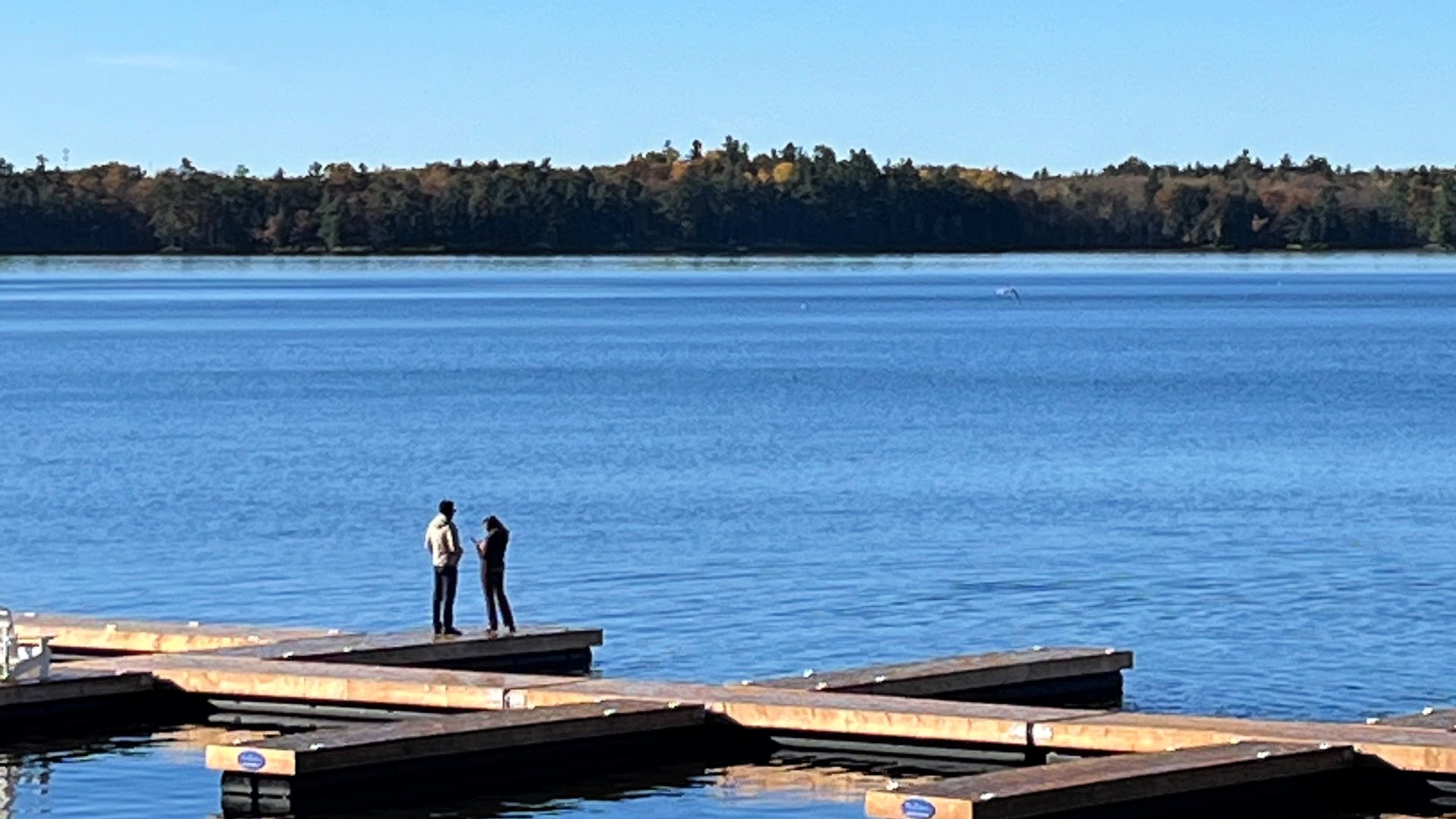
There is a particular kind of hunger that only sets in after a long day of doing nothing on a Canadian lake. It’s a deep, honest, autumnal hunger. It calls for a burger and a cold beer, preferably at someone else’s expense.
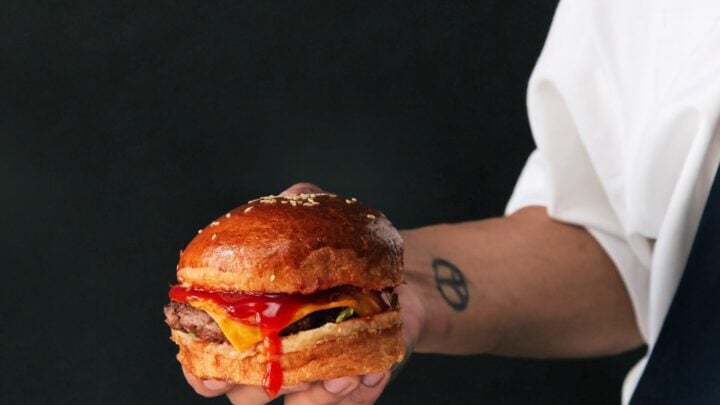
So, imagine my delight when, on checking in to Windermere House, a grand old lakeside hotel in Ontario’s Muskoka region, I spotted a sign at the front desk. Monday night at the Windermere Pub: $5 off a smashed burger, and a beer thrown in for good measure. There were deals for other nights too. It was Monday. The stars, and the burgers, had aligned.
The room was costing about $400 a night (plus on average $107 nightly for taxes and fees). Not a fortune by Muskoka standards, perhaps, but enough to make a man from Brisbane study the wine list prices with the intensity of a bomb-disposal expert. A cheap burger and a free beer felt like the universe giving a little something back.
The universe, it turned out, had other ideas.
“Sorry,” said our waiter, with the practised kindness of someone who has had this conversation before. “That deal’s not for hotel guests. It’s for locals.”
I’m sorry, what?
Paying more for the privilege
I’d like to report that I took it graciously, and for once, I did. My Canadian sister-in-law, Lori, did not. In her words, she was “pissed”. It’s worth pointing out to Australian readers that in Canada this means furious, not drunk. Although, at full price, drunk was never really on the cards.
My brother, meanwhile, decided the solution was simple. He informed the waiter that he was, in fact, a local. It was a bold strategy, undone completely by the fact that he was born and raised in Australia and still sounds like it. Every word out of his mouth announced him as a man who’d grown up on Vegemite and Test cricket. The waiter smiled politely. The burger stayed full price.
So, we asked to speak to the restaurant manager. He explained, perfectly reasonably, that the specials were designed to bring local residents in to fill the tables when hotel occupancy is low. Mondays are slow. Locals keep the lights on.
So, Lori asked the obvious question. What about rewarding the people who’ve actually paid for a room? He shrugged, a little sheepishly, and said that decisions like that were above his pay grade.
It was, I’ll admit, a very Canadian response. Polite, apologetic and entirely unhelpful.
So, here’s where we landed. The couple who had driven 10 minutes from down the road got the cheap burger and the free beer. The people who had driven for three hours, booked three rooms and paid for the lake views got the full price, and a lesson in modern economics. Lori, the only genuine Canadian at our table, was particularly unimpressed that her own country’s hospitality had let her down in front of the in-laws.
It’s not just Muskoka
Once the indignation had worn off (somewhere around the second, full-priced $15 beer), I started wondering whether this was a peculiarly Canadian quirk. It turns out it’s everywhere. Around the world, the customer who has already paid is increasingly worth less than the one a business is still trying to win.
In Hawaii, locals get kamaʻāina discounts at restaurants, hotels and attractions. Residents walk into Diamond Head and Hanauma Bay for free. On the golf course, visitors report paying three times the local green fee for exactly the same tee time.
In Las Vegas, when Eataly opened at the Park MGM resort, it offered locals 20 per cent off with a Nevada ID. The hotel guests upstairs, who were paying Strip prices for their rooms, paid full price for their pasta.
At the Louvre, since January this year, visitors from outside Europe pay €32 to see the Mona Lisa. Europeans pay €22. Versailles and the Sainte-Chapelle have done the same.
In Japan, Himeji Castle, one of the country’s most spectacular sights, now charges ¥2,500 to anyone who doesn’t live in Himeji. Locals still pay ¥1,000. That includes Japanese visitors from Tokyo.
In the United States, foreign tourists now pay an extra US$100 to get into the most popular national parks. And in hotels, the dreaded “resort fee” adds US$20 to US$50 a night for a pool you may never swim in and a gym you’ll certainly never use.
And at the Taj Mahal, foreigners pay roughly five times what Indian visitors pay.
There’s a case for it, sort of
In fairness, and I’m trying very hard to be fair, there’s a logic to some of this.
Locals pay the taxes that maintain the national park. They live with the crowds, the traffic and the tour buses. In places like Venice and Hawaii, tourism is putting real pressure on residents, and a discount is a small thank you for putting up with the rest of us.
And for a hotel pub on a cold Monday night in October, a room full of locals is better than an empty room. Staff keep their shifts. The kitchen keeps cooking. The bar keeps pouring. I understand that.
But here’s what sticks in my throat, along with the full-priced burger. The guests are already there. We’re the easiest customers the pub will ever have. We don’t need to drive home. We aren’t comparing it to the place down the road. We’ve already chosen this hotel and paid handsomely for it.
All it would take is a small gesture, even just the beer, and we would have walked away feeling like valued guests rather than walking wallets.
The loyalty penalty at home
Before we Australians get too smug about the Canadians, it’s worth remembering we have our own version of this, and it’s far more expensive than a burger.
It’s called the loyalty tax. The ACCC found last December that households who stay on the same electricity plan for more than three years pay, on average, $221 a year more than new customers on the same retailer’s newer plans. Introductory prices often jump by 20 per cent or more within a year. Insurance, banking and phone plans work the same way. Reward the newcomer, quietly charge the faithful.
And who are the most loyal customers in the country? People like us. The over-60s, who don’t switch providers every year because we have better things to do, and because we were raised to believe loyalty was something that got rewarded.
Earlier this year, the energy regulator dropped a proposal that would have made retailers charge everyone on the same plan the same price. Consumer groups, including COTA, called it “a massive missed opportunity”. I called it a smashed burger on a national scale.
The lesson
So what have I learned? Mainly that the customer who has already handed over their money is often the one a business stops trying to impress.
The fix is simple, and it’s one more businesses should try. Reward the people who are already through the door. Give them the free beer. Thank them for staying. They’ll tell their friends, they’ll write glowing reviews, and they might even come back, at full price, next year.
As for me, next time I’m offered a locals-only deal, I’ve got a plan. I’ll let Lori do the talking, and I’ll keep my brother well away from the counter.
Have you ever been charged more for being a loyal customer, or a paying guest? Tell us your story in the comments.





 Proudly Australian owned and operated
Comments 0
Join the conversation. Comments are reviewed before they appear.
Be the first to comment.
Join the conversation
Tell us who you are to post a comment. We'll remember you next time.