
When a lump sum cost a fortune: Inventors who sold too soon and missed out on millions


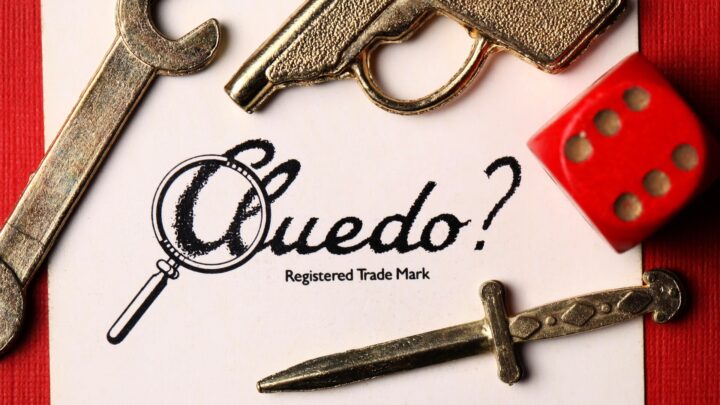
There’s a melancholy lesson hidden in some of the world’s most familiar products: sometimes, the people who spark brilliant ideas don’t walk away with the wealth that follows.
This week, The Times in London highlighted a story that has become almost archetypal: Anthony E. Pratt, the British inventor of the board game Cluedo, sold the rights to his now iconic murder-mystery game for just £5,000 in the aftermath of World War II. While perfectly sensible at the time, that one-off payment meant Pratt never shared in the enormous global success the game would enjoy in decades to come.
Pratt’s experience is hardly unique. Around the world and across industries, countless creators have faced a stark financial fork in the road: accept a guaranteed payday now – or gamble on a future payoff that, if successful, can be life-changing.
The Cluedo Creator Who Didn’t Cash In
Anthony Pratt’s story is simple yet striking. After struggling to find a publisher for his murder-mystery idea in the late 1940s, Pratt sold the rights to Waddingtons for a lump sum. Cluedo went on to become a staple of family game nights in Britain and across the world. Yet because Pratt relinquished the rights outright, he received no ongoing royalties as the brand expanded into countless editions, merchandise and adaptations.
In an era when intellectual property was less rigorously protected and royalties less entrenched, Pratt’s choice was understandable – but in hindsight, costly.
The Odyssey Putter: A Multi-Million Dollar Swing
In the golf world, there’s a different twist on this narrative.
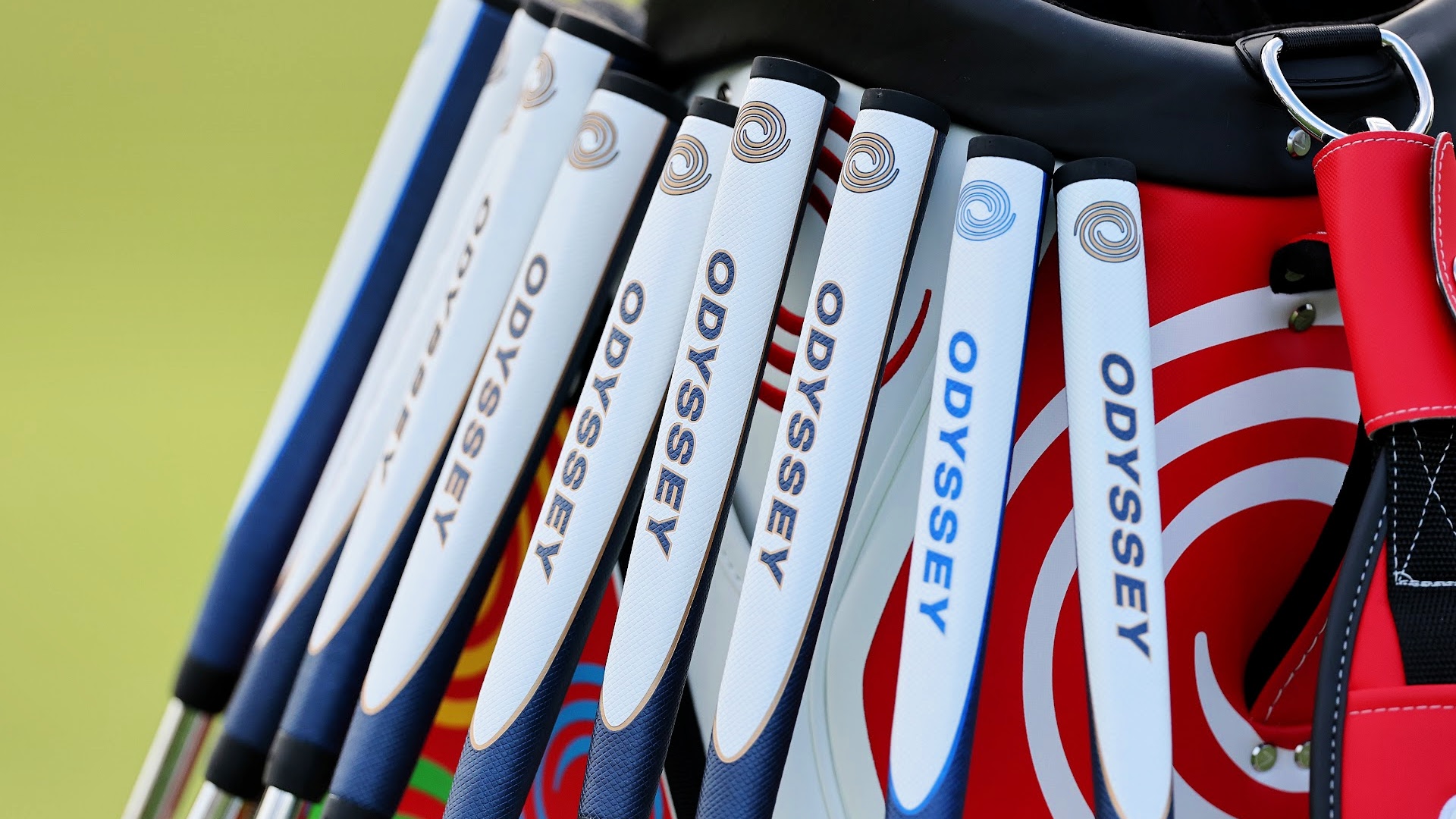
In 1991, Michael Magerman – a non-golfer turned entrepreneur – founded Odyssey Golf. His innovation was simple but transformative: putters with a non-metal insert that enhanced feel, roll and forgiveness. That change soon made Odyssey putters hugely popular on professional tours and with amateur players alike.
By 1996, Odyssey was reporting significant revenues. One industry profile from that era estimated that Odyssey was projected to do around $30 million in sales that year, buoyed by player’s adoption and a major win on the PGA circuit that boosted demand.
Six years after founding the business, Magerman’s company was acquired by Callaway Golf for about $130 million – nearly four times Odyssey’s annual sales at the time.
For most entrepreneurs, a deal of that size would be the pinnacle of success. But the larger point here is about structure: if an inventor or small company accepts a one-off sale rather than ongoing royalties based on sales, they forgo future earnings. Odyssey’s putters continued to dominate – becoming the No. 1 putter used on professional tours for more than 25 years, and a mainstay of consumer golf – generating far more in sales over the long term than at the point of sale.
This example is a reminder that even in sporting goods, brilliance doesn’t always translate into lifelong income for the original creator.

Tech’s Great “What If?”: Apple’s Third Founder
Perhaps the most famous modern example of missed financial fortune comes from the world of technology – Ronald ‘Ron’ Wayne, the little-known third co-founder of Apple.
In April 1976, Wayne signed on with Steve Jobs and Steve Wozniak as the third partner in the newly formed Apple Computer Company. He contributed by creating the company’s first logo, writing its first manual, and formalising the initial partnership agreement.
But within just 11–12 days, Wayne became worried about personal financial liability if the business failed – and sold his 10 per cent stake back to his partners for a modest sum, reported in various sources as around US$800–$2,300.
Fast-forward nearly five decades, and that share would be worth tens of billions of dollars if Wayne had held onto it as Apple became one of the most valuable companies on Earth. Estimates vary depending on how you calculate the market value, but many place the figure in the tens to hundreds of billions.
Wayne himself has said he does not regret the decision – it was a rational one given his personal circumstances and risk tolerance at the time. But his story is now a cautionary tale about the trade-offs between certainty and potential.
Other Inventors Who Didn’t Profit as Expected
The pattern isn’t limited to games and tech.
• Jell-O: Invented by Pearle Bixby Wait, the original Jell-O product was sold off early in its life for a relatively small sum – before it became a household dessert staple in the United States.
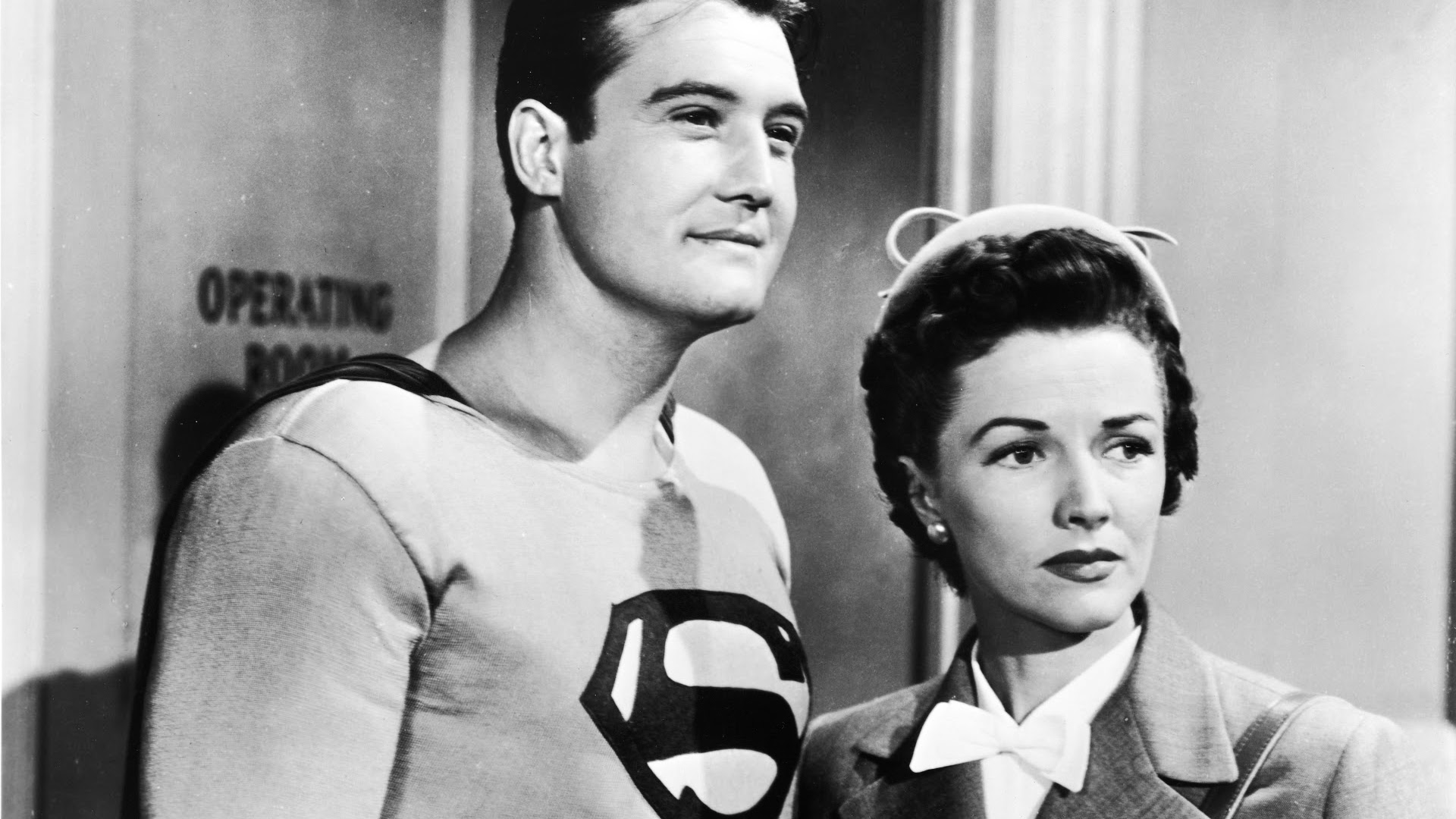
• Superman: In 1938, Jerry Siegel and Joe Shuster sold the rights to their creation, Superman, to DC Comics for just US$130 – despite the character going on to become a multi-billion dollar global franchise. Decades later, after legal battles, the creators were granted a small annuity and credit.
• The Ballpoint Pen: Inventor László Bíró developed the first commercially successful ballpoint pen – but he ultimately relinquished rights that left him far short of the commercial fortune his invention inspired.
• The World Wide Web: Sir Tim Berners-Lee famously declined to patent the underlying technologies of the Web, choosing instead to make it freely available – a decision that transformed the internet but did little to enrich him directly.
These stories underscore a key truth: great ideas don’t always belong to the richest inventors.
Why It Happens – And What Creators Can Learn
Decisions to accept lump-sum payments often reflect practical realities: legal costs, limited business acumen, short-term financial pressure, and the inherent uncertainty of whether a product will ever succeed commercially.
For many early inventors – from board games in the 1940s to tech startups in the 1970s – there was simply no roadmap for how to assess future value. And for those without access to capital, long legal fights and royalty negotiations are luxuries they couldn’t afford.
But today, creators have more resources: patent lawyers, equity funding, and intellectual-property frameworks that allow for retained ownership, licensing deals, and ongoing income.
The stories of Pratt, Wayne and others aren’t just curiosities – they’re lessons on valuing ideas and understanding the long game.
Because in the marketplace of innovation, timing and terms can matter as much as the idea itself.





 Proudly Australian owned and operated
Comments 0
Join the conversation. Comments are reviewed before they appear.
Be the first to comment.
Join the conversation
Tell us who you are to post a comment. We'll remember you next time.