
What you need to know about the new-look Formula 1


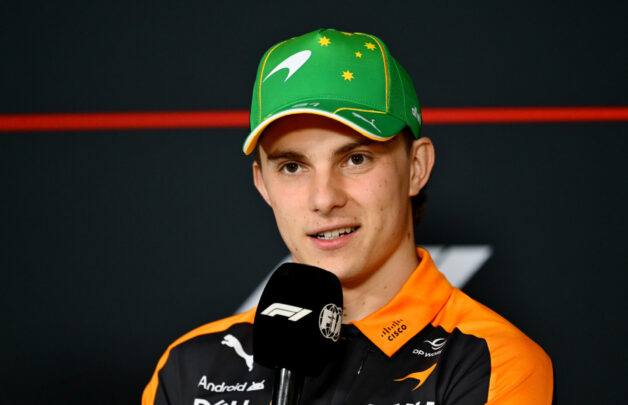
Formula 1 is back, but not as we left it in Abu Dhabi back in early December.
The 2026 Formula 1 season begins in Melbourne on Sunday, with the Australian Grand Prix at Albert Park ushering in sweeping technical changes and renewed hopes that local driver Oscar Piastri could break the long drought of an Australian winning on home soil.
Attention will be firmly fixed on both the sport’s new regulations and Piastri’s championship prospects as the world championship begins a new era.
New technical regulations reshape cars
Although the cars will appear similar to last year’s models, the 2026 machines incorporate significant changes aimed at making racing closer and encouraging more overtaking.
Compared with last season, this year’s cars are smaller, lighter and designed to rely more heavily on electric power. Wheelbases have been shortened, overall width reduced and minimum weight cut.
The Drag Reduction System (DRS), introduced in 2011 to help overtaking, has been removed. In its place, active aerodynamics will allow drivers to alter front and rear wing positions to increase downforce in corners or reduce drag on straights.
The biggest changes however involve the power units. The familiar 1.6-litre turbocharged V6 engines remain, but the hybrid systems have been rebalanced to deliver a roughly equal split between combustion and electric power.
Electrical output has also increased sharply, from 120kW to 350kW, meaning drivers will need to manage battery charge and deployment throughout a race.
Reset aimed at closer racing
Technical resets occur regularly in Formula 1 as part of the sport’s competitive cycle. Major regulatory overhauls, such as those introduced for this year, can help reshuffle the competitive order while maintaining the sport’s emphasis on engineering innovation.
Changes to the rules are intended to encourage closer racing, provide opportunities for teams that have struggled under previous regulations, and challenge engineers to find new performance advantages.
The new framework also aligns with Formula 1’s broader sustainability targets. The sport has committed to reaching net-zero carbon emissions by 2030, with sustainable fuels expected to contribute to that goal while potentially influencing technology used in road cars.
Questions over race strategy
The smaller, lighter cars are expected to improve agility, particularly on narrow circuits such as Monaco and Baku, while active aerodynamics could add a strategic dimension as drivers balance cornering grip with straight-line speed.
However, the increased electrical contribution to performance has prompted some debate within the sport.
Four-time world champion Max Verstappen has expressed concern that Formula 1 racing might begin to resemble Formula E, where battery management plays a central role in race strategy.
With energy regeneration, battery conservation and electrical deployment becoming more significant, the true impact on racing may only become clear once the season begins.
Piastri carries home-grown hopes
For Australian fans, much of the attention will centre on local boy Oscar Piastri.
After coming close to winning last year’s drivers’ championship, the Melbourne-born driver enters the new season among the leading title contenders.
Australia has produced Formula 1 world champions in Jack Brabham and Alan Jones and other major names such as Mark Webber and Daniel Ricciardo, however no Australian driver has ever won the Australian Grand Prix.
Since the race moved from Adelaide to Melbourne’s Albert Park circuit in 1996, it has opened the season on 23 occasions, making it the debut race for many of these Australian drivers.
Several drivers have enjoyed success in front of home crowds, including Germany’s Michael Schumacher at Hockenheim, Britain’s Lewis Hamilton at Silverstone and Verstappen at Zandvoort, however those victories did not occur at the start of a season featuring major regulation changes.
Piastri faces the challenge of adapting to a new car while handling the expectations of a home crowd.
His measured and analytical driving style may help him adapt quickly, but team performance and rivals’ ability to master the new regulations will also shape the outcome of the season.
A new chapter for Formula 1
With the championship beginning in Melbourne under new technical rules, the Australian Grand Prix will mark more than the opening race of the year.
It will also launch a fresh competitive landscape in which teams and drivers must learn quickly to unlock performance.
For local fans, the question is whether the new era might finally produce an Australian winner on home soil.





 Proudly Australian owned and operated
Comments 0
Join the conversation. Comments are reviewed before they appear.
Be the first to comment.
Join the conversation
Tell us who you are to post a comment. We'll remember you next time.