
What to eat when weight-loss drugs leave you full


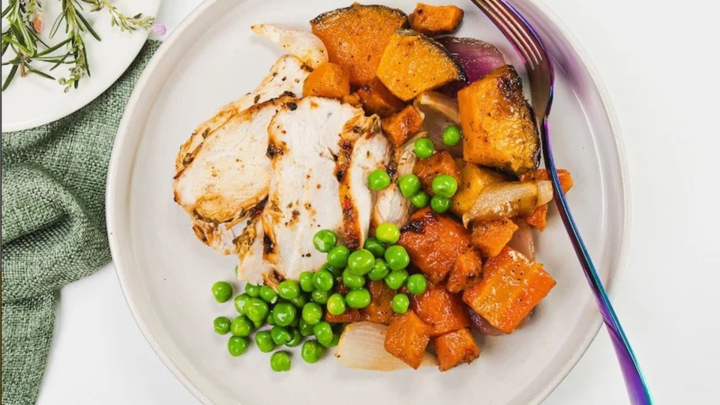
When you’re no longer hungry enough to finish lunch, deciding what to eat can become more complicated than simply serving yourself less.
For people taking GLP-1 weight-loss medication, a smaller appetite can help with weight management. It can also make it harder to get enough nourishment, particularly if meals become a few bites of whatever feels easiest.

Nutritionist Robbie Frame, who works with ready-made meal provider Workout Meals, says your body’s needs don’t necessarily shrink along with your appetite.
“GLP-1 medications can make it significantly easier to eat less food, but eating less doesn’t automatically mean eating well or in line with your nutritional requirements.”
For readers over 60, maintaining muscle deserves particular attention. Frame explains that ageing makes us more susceptible to losing muscle and strength, while our muscles can become less responsive to the protein we eat.
If you’re eating much less as well, getting adequate nutrition needs some planning.
Give protein a place in smaller meals
A modest portion of chicken or fish can be a useful starting point when a large dinner feels unmanageable. Eggs and dairy foods offer other options, particularly if softer textures are more appealing.
Frame suggests a small bowl of high-protein yoghurt with berries, or scrambled eggs on toast. Cottage cheese with wholegrain crackers is another manageable snack.
His approximate protein guide shows how different portions contribute:
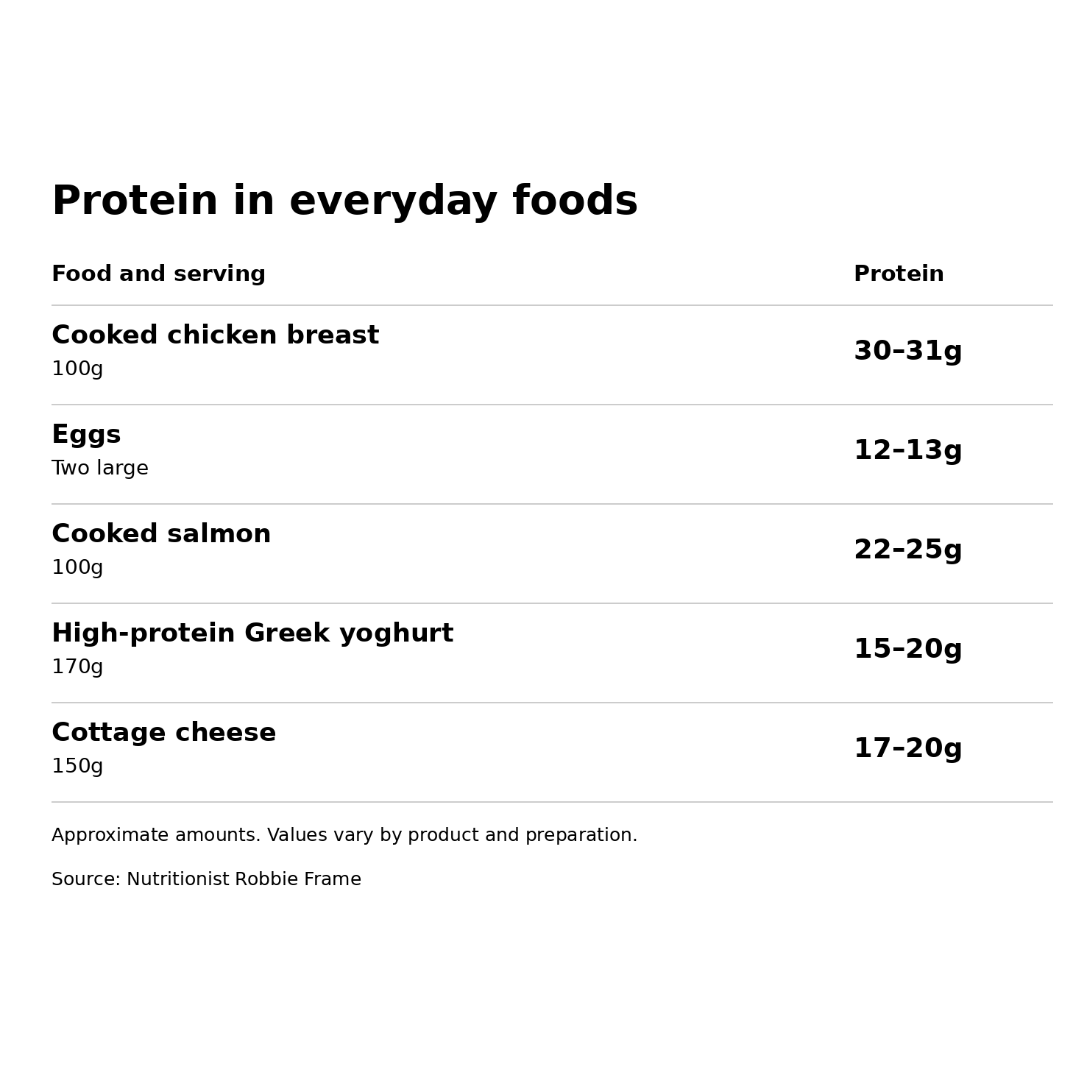
Frame says around 25–35g of protein per meal can be a practical starting point, depending on the person. Daily requirements need to account for health and activity levels, and should be worked out individually with professional guidance.
People with kidney disease should seek advice from their treating clinician and an accredited practising dietitian before adopting a high-protein diet.
Protein also works alongside appropriate resistance exercise to support muscle preservation; simply adding more protein doesn’t replace strength training.
Make room for more than protein
A high-protein label doesn’t tell you everything about a food’s nutritional value. Frame also encourages variety across the week, including foods that supply fibre and enough energy to support everyday life.
Dairy foods can contribute calcium, while calcium-set tofu offers another option. Oily fish and eggs provide some vitamin D, although anyone concerned about deficiency should discuss their needs with their healthcare team.
For fibre, Frame points to oats and berries, with legumes or wholegrains offering further variety. Increase fibre gradually and maintain adequate fluids, as a sudden increase can worsen bloating or fullness.
You don’t have to squeeze every nutrient into every meal. There’s more flexibility in looking at what you’re eating across the week.
Make familiar foods more nourishing
If you can manage a small bowl of porridge or a little mashed potato, there are ways to add nourishment without greatly increasing the portion.
Frame suggests stirring Greek yoghurt into mash or adding grated cheese to scrambled eggs. Nut butter can enrich porridge, while a little olive oil added to cooked vegetables supplies extra energy.
The addition should suit what’s missing from your diet. Someone struggling to eat enough protein may need a different approach from someone whose overall energy intake is too low.
If nausea is a problem, rich or high-fat meals may be harder to tolerate. Frame recommends eating slowly and trying smaller portions, with softer foods where helpful. Cold or room-temperature food may appeal more if cooking smells make you feel sick.
He also suggests trying fluids between meals if drinking a lot immediately before eating leaves you too full.
Give the day a little structure
Waiting until you feel hungry may mean missing eating opportunities altogether. Frame suggests spreading food across four or five smaller meals and snacks, adjusted to your needs and tolerance.
Breakfast might be yoghurt with oats and berries, followed later by a smoothie. Lunch could be a small chicken meal with rice and vegetables. Cottage cheese with crackers offers an afternoon option, with fish and sweet potato at dinner.
These are ideas to adapt, rather than a fixed menu or a requirement to finish every serve.
Convenience can help too. Frame says Workout Meals’ GLP-1 pack was developed around smaller portions containing at least 30g of protein, providing a contribution towards someone’s individual daily target.
“That’s why I see these meals as a convenient nutritional foundation to build upon rather than a complete solution on their own.”

Know when to ask for help
Frame encourages older adults to pay attention to strength and everyday function alongside weight. Finding it harder to rise from a chair or carry groceries deserves attention, even if the scales are moving in the direction you hoped.
Persistent nausea or regularly being unable to eat enough should prompt a review with your prescriber and an accredited practising dietitian. Severe or persistent abdominal pain, repeated vomiting, inability to keep fluids down or fainting require urgent medical attention.
“Successful weight loss shouldn’t come at the expense of someone’s strength, nutritional status or overall health,” Frame says.





 Proudly Australian owned and operated
Comments 0
Join the conversation. Comments are reviewed before they appear.
Be the first to comment.
Join the conversation
Tell us who you are to post a comment. We'll remember you next time.