
Unemployment surge sparks Christmas job fears


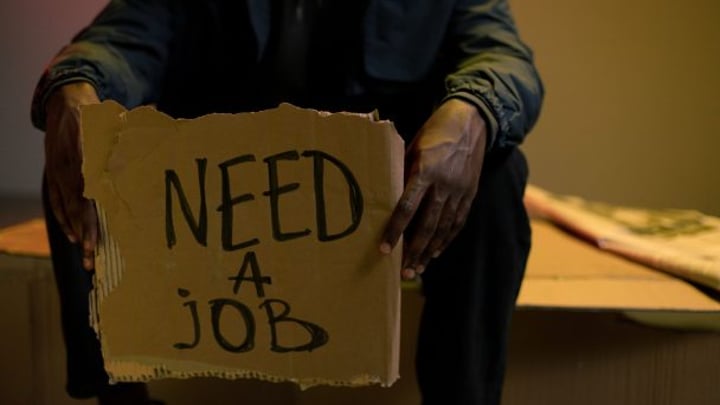
Australia’s unemployment rate has hit a five-year high as major retailers and banks shed jobs, raising fresh concerns for older workers who may struggle to find employment again before retirement.
Australia is heading towards Christmas with a worrying employment outlook after official figures revealed the jobless rate had climbed to 4.9 per cent, its highest level since October 2021, while some of the country’s best-known businesses continue to announce job cuts.
The Australian Bureau of Statistics (ABS) reported that employment fell by 43,500 in October, while the number of unemployed Australians increased by 17,800 to 753,700.
The unemployment rate rose from 4.7 per cent in September, catching economists by surprise and raising concerns that the economy is slowing more quickly than the Reserve Bank anticipated.
Part-time workers were hardest hit, accounting for 40,600 of the decline in employment, while full-time employment fell by 2,900.
ABS head of labour statistics Sean Crick said a higher proportion of Australians were remaining unemployed than would normally be expected in October.
The scale of the job cuts announced over the past month is alarming, with NAB planning to axe 2,500 positions, Canva restructuring 1,271 roles, David Jones facing at least 1,500 job losses and General Pants putting another 500 at risk, while AMP chief economist Shane Oliver warns the latest unemployment surge is likely a sign of more trouble ahead and independent economist Saul Eslake predicts unemployment could reach five per cent early in the New Year.
Christmas job fears grow as businesses struggle
The figures arrive amid a troubling run of corporate job cuts, restructures and business failures, with thousands of Australians facing an uncertain Christmas.
Fashion retailer General Pants Co entered voluntary administration this week, putting approximately 500 jobs at risk across Australia and New Zealand.
Its collapse follows the administration of David Jones earlier this month, with at least 1,500 positions reportedly at risk. Clothing brands Cue and Veronika Maine also entered receivership in September.
Beyond retail, Australia’s banks, technology companies, airlines, media organisations and major accounting firms have shed more than 15,000 Australian jobs over the past 12 months, according to ABC News.
Not all those positions have necessarily resulted in people becoming unemployed, and the latest retail administrations occurred after the ABS collected its October employment data.
Nevertheless, the announcements add to concerns about the months ahead, particularly for workers who may find themselves looking for another job during the Christmas holiday period.
Why losing your job after 55 is particularly tough
For Australians approaching retirement, redundancy can have consequences that stretch well beyond the immediate loss of income.
Research published by Jobs and Skills Australia found that unemployed Australians aged 55 and over had experienced an average unemployment duration of 86 weeks in June 2024, compared with 37 weeks for workers aged 15 to 54.
Although those figures predate the current slowdown, they highlight a longstanding problem for mature-age jobseekers.
Age discrimination can make matters worse.
A 2025 study by the Australian Human Resources Institute and Australian Human Rights Commission found that 24 per cent of surveyed HR professionals considered workers aged just 51 to 55 to be ‘older’.
For someone made redundant at 58 or 62, spending an extended period looking for work can mean missing years of superannuation contributions, using savings intended for retirement or being forced to retire earlier than planned.
Those still carrying a mortgage face another problem, with higher interest rates adding to the pressure on household budgets.
Could unemployment climb even higher?
The latest figures have left the Reserve Bank facing difficult decisions after five interest rate increases this year.
In its most recent forecasts, the bank expected unemployment to reach 5.1 per cent by the end of 2028, but the October result suggests the labour market is weakening faster than anticipated.
BetaShares chief economist David Bassanese warned that consecutive large falls in employment could indicate the economy was already approaching recession.
“Indeed, consecutive large employment declines might suggest the economy already has one foot in recession,” he said.
There is some reason for caution. The ABS reported that employment remained broadly steady in trend terms, suggesting the underlying deterioration may be less severe than the headline monthly figures indicate.
However, the trend unemployment rate also increased to 4.8 per cent, reinforcing concerns that job opportunities are becoming harder to find.
The question is not simply whether unemployment will rise further before Christmas, but what happens if they lose their job and cannot find another one. With retirement savings, mortgages and household bills all in the balance, an unexpected redundancy at this stage of life can change financial plans for years to come.





 Proudly Australian owned and operated
Comments 0
Join the conversation. Comments are reviewed before they appear.
Be the first to comment.
Join the conversation
Tell us who you are to post a comment. We'll remember you next time.