
The Wagon, and Getting Back On and Off It: What Brad Pitt’s Confession Says About the Rest of Us


There’s a moment in every long, complicated relationship with alcohol that nobody quite prepares you for, and it isn’t the falling off. It’s the getting back on, quietly, deliberately, years later, and discovering the whole thing looks completely different from how you left it.
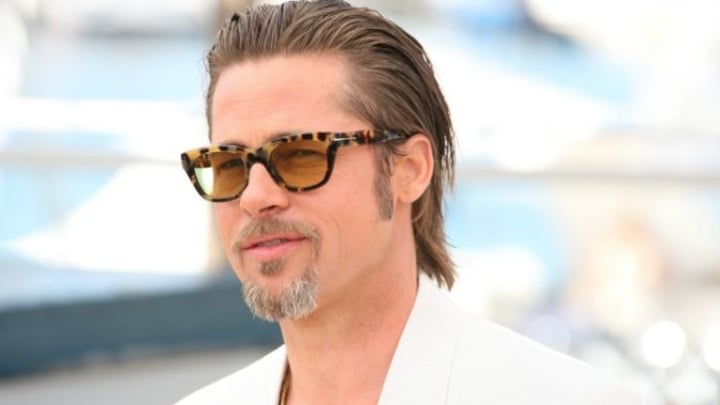
Brad Pitt, 62 years old now, sat down with Esquire this month and told them something that felt, on the surface, like just another celebrity headline – a man who’d been sober seven years admitting he wasn’t anymore. But sit with it a moment longer and it becomes something else entirely: a man describing, in real time, the particular arithmetic so many of us in our 60s and beyond have quietly worked out for ourselves. Not never again. Not like before. Something in between, negotiated daily, held loosely in the hand.
“I got back off the wagon,” Pitt told the magazine, with what the interviewer described as a small laugh, before holding up a finger to make his next point land properly. In a more restrained manner. He’d tried being casual about it a couple of times, he said, and it hadn’t worked – not good for me, not in big quantities, was how he put it. These days, he explained, it comes down to a few glasses of wine, never more, and something close to professionalism about the whole affair.
I find something genuinely moving in that word. Professionalism. Not shame, not triumph, not a relapse narrative dressed up for a magazine cover. Just a man in his seventh decade managing something honestly, in public, the way most of us manage it privately at the kitchen bench on a Tuesday night, pouring exactly one glass and meaning it.
What the numbers say about the rest of us
Here’s where the story stops being about Brad Pitt at all, and starts being about the people reading this over their morning coffee.
The Australian Bureau of Statistics has been quietly tracking something for years that doesn’t get anywhere near the airtime a celebrity confession does: older Australians drink more than almost anyone gives them credit for, and not in the wild, occasional binge-drinking way we associate with the young. In frequency. In steadiness. In the sheer unremarkable regularity of it. Nearly one in four Australians aged 55 to 64 consumed more than 10 standard drinks in a single week, according to the ABS’s most recent figures – a higher proportion than almost any other age bracket in the country, young adults included. One in five aged 65 to 74 did the same.
The Alcohol and Drug Foundation puts it more starkly still: older adults drink more often than any other age group in Australia, and the frequency of daily drinking climbs the older we get. Australians in their 70s are the most likely of anyone in the country to have a drink every single day. Those in their 60s come next. Then the 50s. It isn’t a spike. It’s a slope, rising steadily with age, quiet as anything, while the cultural conversation about drinking obsesses almost entirely over 19-year-olds falling out of nightclubs.
One in three older Australians, the ADF’s research suggests, are currently drinking above the national guidelines. And here’s the detail that stopped me cold: most of them don’t know it. The habit has simply become part of the furniture of the evening – the wine with dinner, the beer on the verandah as the heat comes off the day, the nightcap that’s stopped feeling like a choice and started feeling like punctuation.
There’s a quieter story hiding inside the bigger one, too. Younger Australians, industry analysts note, have been steadily losing their taste for alcohol altogether – Dry January swelling every year, mocktails outselling cocktails in venues that would once have laughed you out the door for asking. Which means the gap between the generations isn’t closing. It’s widening. The young are walking away from the bar. Their parents and grandparents, by and large, are still sitting at it, most evenings, without much fuss or ceremony, exactly as they have for decades.
Back to the wagon, and the people falling off it publicly
Pitt isn’t alone in narrating this out loud this year, and there’s something worth noticing in who else has.
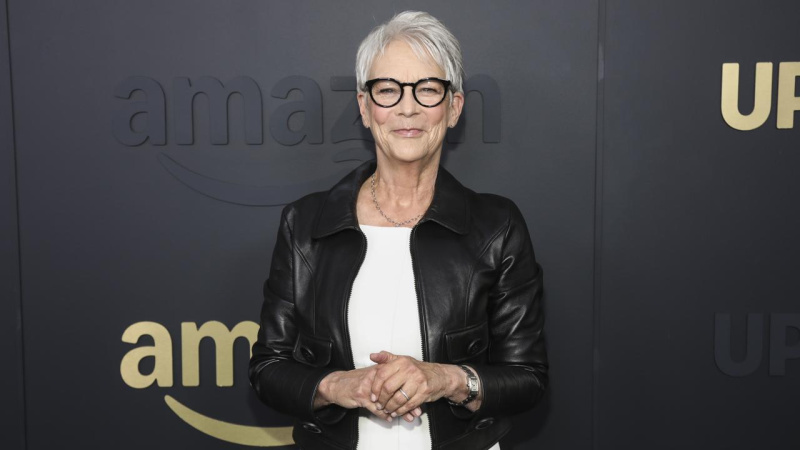
Bradley Cooper – the man Pitt has publicly credited with helping him get sober in the first place, all those years ago – spoke recently about his own two decades without a drink, tracing it back to one uncomfortable, loyal conversation with a friend willing to risk saying the hard thing out loud. Jamie Lee Curtis marked 26 years of sobriety this year with a post that read less like a celebrity milestone and more like a quiet letter to herself, describing a life expanded in ways she never thought possible once she walked through the door of that first recovery meeting. And Tom Holland, decades younger than both of them, described the particular trap so many people recognise instantly: one drink is fine, he said, it’s the going too far that gets you, every single time.
What strikes me, laying these stories side by side, is how little any of them resemble each other, and how much they all resemble the truth. There is no single story about drinking, or stopping, or starting again in moderation. There’s just a great many people, famous and otherwise, working it out one evening at a time, the way Pitt is now, the way a good many of you reading this in your own kitchen this Sunday morning are too.
The bit I actually want to say
I don’t think this is a story about whether Brad Pitt should or shouldn’t have a glass of wine. I think it’s a story about the fact that an entire generation of Australians – our parents, in many cases, or ourselves – have been quietly, steadily drinking more often than anyone talks about, for longer than anyone’s been counting properly, while the culture keeps its worried eye trained firmly on the young.
Maybe the real Dry January isn’t for the 22-year-olds at all. Maybe it’s for the rest of us, standing at the fridge on a Tuesday evening, about to pour the same glass we’ve poured for thirty years without ever once asking ourselves, honestly, whether we still need to.





 Proudly Australian owned and operated
Comments 3
Join the conversation. Comments are reviewed before they appear.
Maybe Brad doesn’t know the plight of senior Australians receiving part pensions. I have to survive on $29 per day and could not possibly afford to have more than one or two drinks in a week as it appears the Australian government does not want to pay a fair pension to all retirees
I’m sorry for your situation, but the story was about Brad Pitt, a man who doesn't need to factor in the cost of drinking, because it’s not a part of his reality.
Sorry, I meant to add that your financial circumstances may be doing you the biggest favour of all, with the article highlighting that people 60+ are drinking far too much & research showing direct links between excessive alcohol consumption & the incidence of various cancers.
All the best.
Join the conversation
Tell us who you are to post a comment. We'll remember you next time.