
Singapore is building a city designed for wellbeing



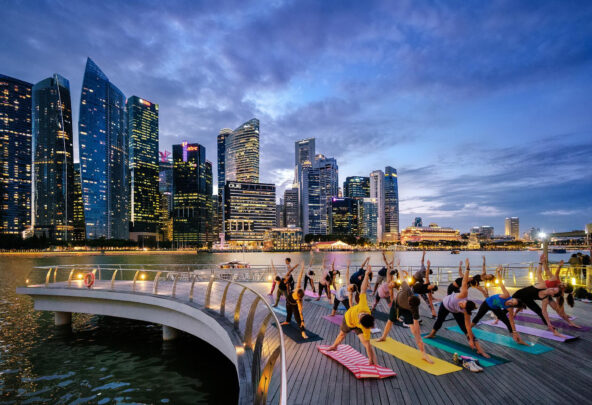
Singapore is betting big on the future of wellness travel and it has very little to do with cucumber water or week-long spa escapes.
The city-state is positioning itself as one of the world’s first true “wellness cities”, where healthier living is woven into everyday life through green spaces, movement, longevity science, thermal bathing and preventative health.
New research from the Global Wellness Institute shows Singapore’s wellness economy has surged to more than AUD$32 billion, while inbound wellness tourism trips topped one million in 2024 alone. Wellness spending per person has also climbed to almost AUD$5000 — more than eight times the Asian average.
But beyond the eye-catching numbers, something much bigger is happening. Singapore is quietly transforming wellness into major tourism infrastructure.
The rise of the wellness city
For years, wellness travel largely meant escaping somewhere remote such as jungle yoga retreats in Bali, luxury spas in Thailand or digital detox hideaways far from city life but now the trend is shifting.
Travellers increasingly want shorter, smarter breaks that leave them feeling rested, energised and healthier without disconnecting entirely from the modern world.
Singapore is leaning heavily into that shift.
Known as a “City in Nature”, it has spent years building walking trails, cycling networks, green corridors and vast public gardens directly into the urban experience. More than 300km of greenways now connect parks, attractions and waterfront precincts across the city.
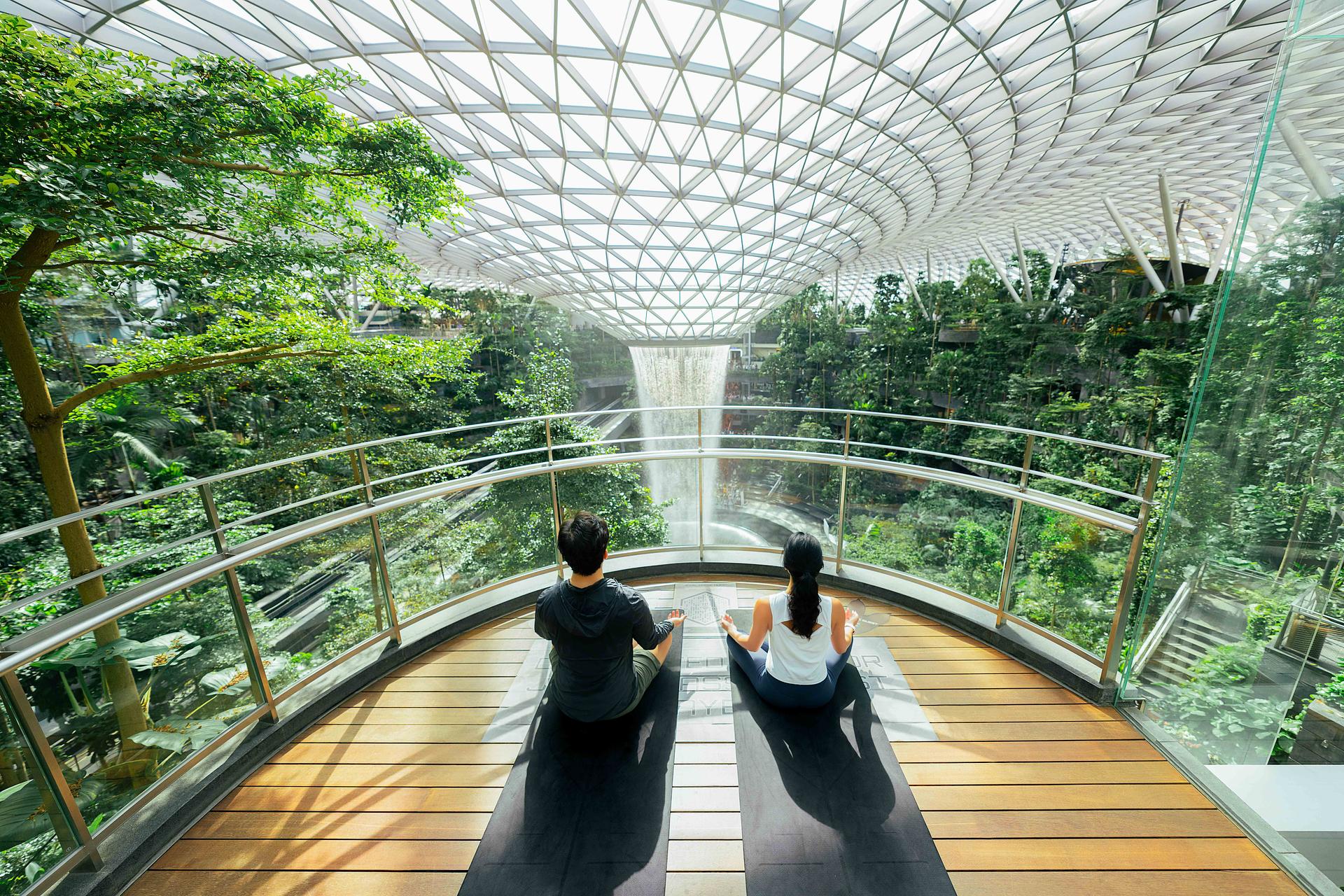
Even arriving feels different. At Jewel Changi Airport, visitors are greeted by the world’s tallest indoor waterfall surrounded by dense greenery, while major attractions such as Gardens by the Bay and Marina Bay Sands are linked by pedestrian-friendly spaces designed to encourage movement and outdoor activity.
It’s wellness by design rather than wellness by appointment.
The billion-dollar wellness project changing Singapore
The clearest sign of Singapore’s ambitions came last year when tourism authorities awarded a tender to Therme Group to develop a massive new wellness attraction along Marina South Coast.
The project is expected to feature thermal pools, saunas, steam baths, botanical gardens and large-scale family wellness facilities.
It is being pitched as a next-generation urban wellbeing destination rather than simply another luxury spa complex.
Governments around the world are increasingly recognising wellness tourism as serious economic infrastructure, particularly as travellers place greater value on health, recovery and longevity experiences.
Singapore’s Tourism 2040 strategy has identified wellness as one of its key future growth sectors.
Longevity travel is becoming big business
Perhaps the most fascinating shift is the growing interest in what many are calling longevity travel.
Rather than chasing indulgence alone, more travellers are seeking experiences focused on sleep, movement, recovery, stress reduction and healthy ageing.
Singapore’s reputation for preventative healthcare and public health initiatives positions it neatly within that trend: the country was named the world’s sixth Blue Zones region in 2023 by longevity researcher Dan Buettner — the first recognised “engineered longevity hotspot”.
Life expectancy has risen dramatically over recent decades, while the number of centenarians has doubled thanks to Singapore investing heavily in public transport, walkable infrastructure, green spaces and preventative healthcare initiatives aimed at keeping people healthier for longer.
For older travellers especially, the appeal is obvious. Many are no longer simply chasing luxury holidays but rather looking for trips that improve sleep, reduce stress, encourage movement and leave them feeling physically better when they return home.
The next chapter of wellness travel
The global wellness tourism boom shows no signs of slowing, but Singapore’s approach feels markedly different from many traditional wellness destinations.
This is about redesigning modern life (and not escaping it).
If Singapore succeeds, the future of wellness travel may look less like an isolated retreat and more like a healthier, greener and more liveable city experience.
For more information on New Zealand holiday packages, flights and accommodation options, visit the team at Travel at 60





 Proudly Australian owned and operated
Comments 0
Join the conversation. Comments are reviewed before they appear.
Be the first to comment.
Join the conversation
Tell us who you are to post a comment. We'll remember you next time.