
Simple Changes Could Make 2026 Your Most Empowered Year, Says Elizabeth Jane


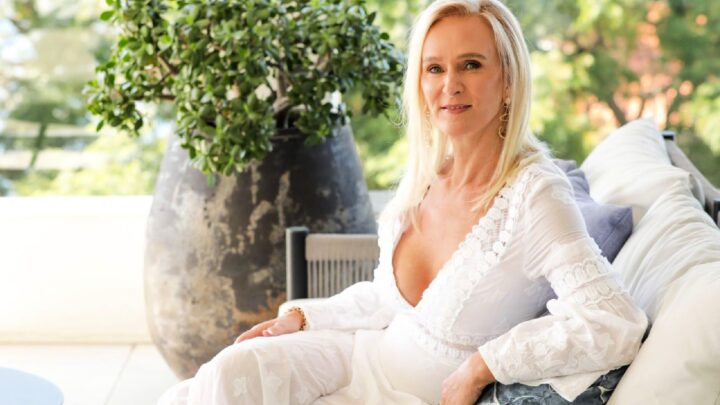
In a world that rewards speed, distraction and constant productivity, many Australians have lost the ability to pause.
According to best-selling author and emotional wellbeing advocate Elizabeth Jane, that disconnection from our own emotions sits at the heart of many poor decisions, strained relationships and lingering dissatisfaction.
“Most people don’t make bad decisions because they’re careless,” Jane says. “They make them because they’re disconnected from their emotions.”
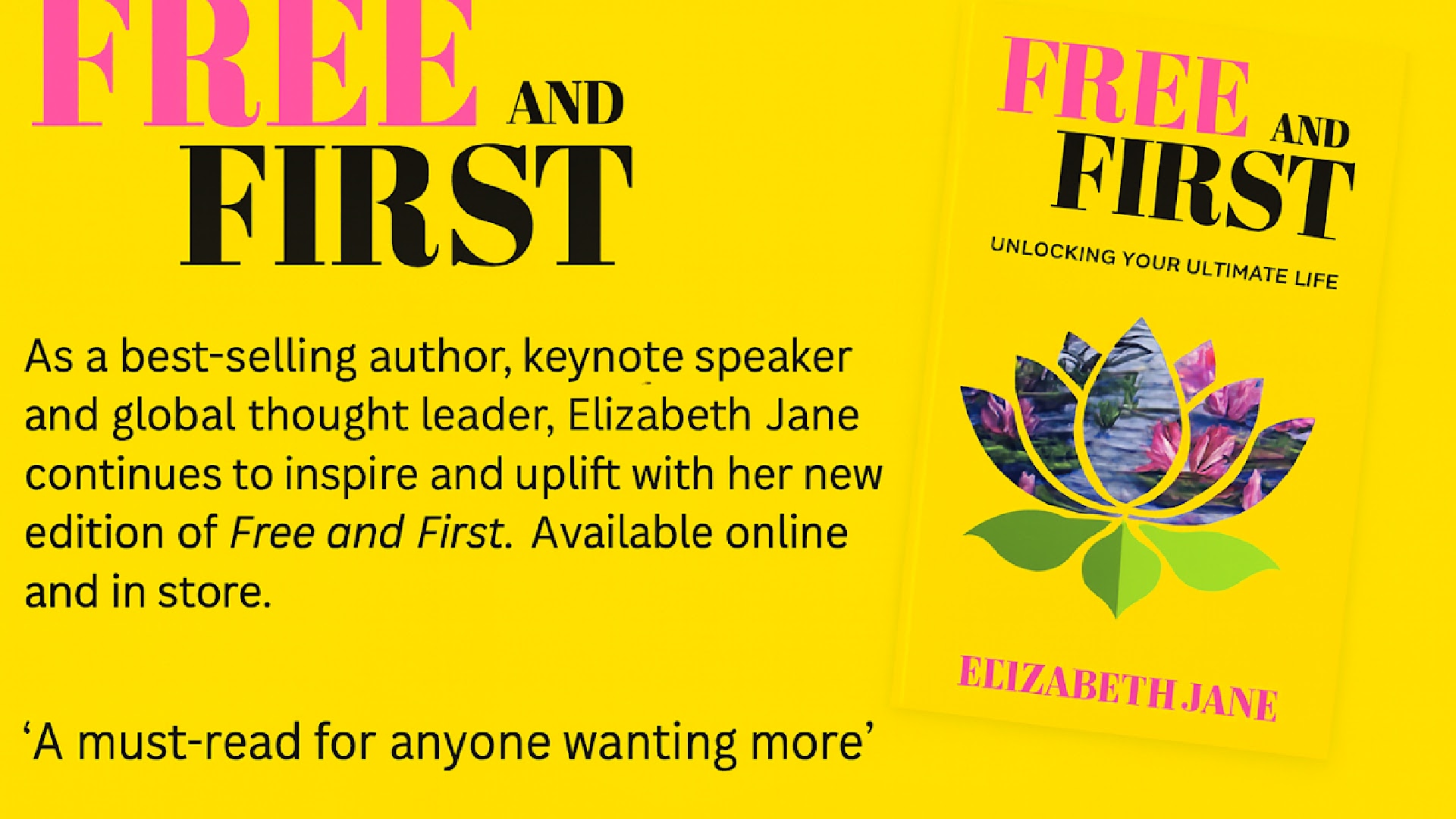
Jane knows firsthand how life can unravel. After enduring a sudden and heartbreaking divorce, she channelled her experience into her acclaimed book, Free and First – Unlocking Your Ultimate Life, sharing practical insights to help others rebuild after major life challenges.
Your emotions are data, not a weakness
Jane believes many of us were taught to override our feelings in favour of logic, obligation or fear.
“But your emotions offer valuable information,” she explains. “They tell you what feels safe, what feels wrong, what excites you and what drains you.”
When we don’t pause long enough to check in with ourselves, she says, we slip into autopilot. We say yes when we mean no. We stay when something feels off. We choose what looks right on paper rather than what feels right internally.
The cost of living unconsciously
Ignoring emotions doesn’t make them disappear. According to Jane, it simply drives them underground, where they surface in less helpful ways.
“When emotions aren’t acknowledged, they leak out as anxiety, resentment, burnout or self-sabotage,” she says. “That’s when people repeat patterns they promised themselves they’d never choose again.”
Many people, she notes, look back at major life decisions and admit: I knew something didn’t feel right. They simply didn’t listen.
The power of the pause
For 2026, Jane believes one skill stands above the rest: the ability to pause before reacting or deciding.
“A pause creates space between stimulus and response – and in that space is clarity,” she says.
That pause might be as simple as noticing physical sensations: tightness in the chest, heaviness in the stomach, or perhaps a sense of ease and expansion. Jane argues that the body often registers the truth long before the mind catches up.
“Your body and emotions don’t lie,” she says. “You just have to be willing to listen.”
Choosing alignment over obligation
When people develop the habit of checking in with themselves, Jane says their choices naturally improve.
“They stop choosing from fear, conditioning or obligation. They start choosing from alignment.”
The result? Healthier relationships. Clearer boundaries. Fewer decisions made in desperation or avoidance.
“You don’t need to fix yourself,” Jane says. “You need to feel yourself.”
It can be as simple as pausing when you feel anxious or angry, allowing the emotion to surface without immediate reaction, and then having a calm, empowered conversation about what’s really bothering you.
An invitation for the year ahead
As Australians look toward 2026, Jane’s message is simple: slow down.
“Pause before you commit. Pause before you react. Pause before you say yes,” she says.
“Your future self is shaped by the moments you chose to listen to yourself.”
Because, according to Jane, conscious living doesn’t start with doing more.
It starts with feeling more.





 Proudly Australian owned and operated
Comments 0
Join the conversation. Comments are reviewed before they appear.
Be the first to comment.
Join the conversation
Tell us who you are to post a comment. We'll remember you next time.