
Rick was paying $1,200 for power. At 70, he’d had enough



When another hefty electricity bill lands, installing a home battery can sound tempting. But the numbers won’t work for every household. One 70-year-old homeowner did his sums — and says the change to his household budget has been dramatic.
At 70, Rick Carmichael had started thinking differently about electricity bills. The Murrumbateman homeowner, who lives outside Canberra, was paying around $1,200 a quarter for power despite already having a substantial 10.8kW rooftop solar system.
He was also exporting around 1,100kWh of electricity to the grid each month and says he was receiving very little in return.
After almost 20 years running an energy-hungry glass business from home, Rick knew his household used plenty of electricity. His daughter and son-in-law also live in a separate part of the property.
“We essentially have two houses on the one meter, we use a lot of energy,” he told Starts at 60, before explaining there was another consideration behind his decision.
“I didn’t want to be paying bills as I got older and couldn’t do much,” Rick said. “The idea was to cut as many costs as we can.”
The $7,200 decision
Rick had considered a home battery before, but the upfront cost kept putting him off.
“I was concerned about how long it would take to pay itself off,” he said.
That changed when he looked again at what he was spending on electricity and the assistance available through the federal battery program. Rick compared several providers before choosing a 52kWh VoltX battery system with a 12kW three-phase inverter and he says his total out-of-pocket cost, including installation, was $7,200. Of that, $1,000 was an additional installation cost because of where he lives.
“The joys of living out of town!” he joked.
The system was installed in March.
Rick wasn’t looking for an overnight return and his target was an investment that he calculated could recover its cost within five to six years.
“Once I looked at what I was paying in electricity bills and what I could save, it made sense,” he said.
So what happened to his bills?
Rick says since installing the battery, his electricity bills have generally fallen to zero apart from one month when the bill was around $8.
He still pays a grid connection charge and his results vary depending on the weather.
During cloudy or rainy periods, he says his bills have been about half what they were previously. The biggest change is being able to use more of the solar electricity his home generates rather than exporting so much of it to the grid.
It has also changed the way the household thinks about heating and cooling through the extremes of the Canberra-region climate.
“We wanted to live comfortably without having to worry about heating in winter, or worry about energy costs year-round,” Rick said.
“Canberra is either too cold or too hot!”
Australia passes 500,000 batteries
Rick’s decision comes amid a surge in home battery installations across Australia.
The Federal Government announced in August that more than 500,000 batteries had been installed under its Cheaper Home Batteries Program, with more than three-quarters of installations occurring in outer-suburban and regional communities.
The program provides a discount of around 30 per cent on the upfront cost of eligible small-scale batteries connected to new or existing rooftop solar systems.
Australia already has more than four million homes with rooftop solar — about one in three households. The attraction of adding storage is relatively straightforward: instead of exporting excess solar electricity during the day, a household can store some of it and use it later when the sun isn’t shining.
But whether the financial equation works is far more individual.
Rick’s result won’t be everyone’s result
This is an important part of Rick’s story.
His household is a particularly heavy electricity user. He already had 10.8kW of rooftop solar, was exporting around 1,100kWh a month and installed a large 52kWh battery.
Another household with lower consumption, a smaller solar system or different electricity tariffs could get a very different result.
Government consumer advice also cautions that batteries won’t necessarily make financial sense for every home, and recommends considering electricity consumption, solar output, inverter capacity, battery size and anticipated payback period before buying.
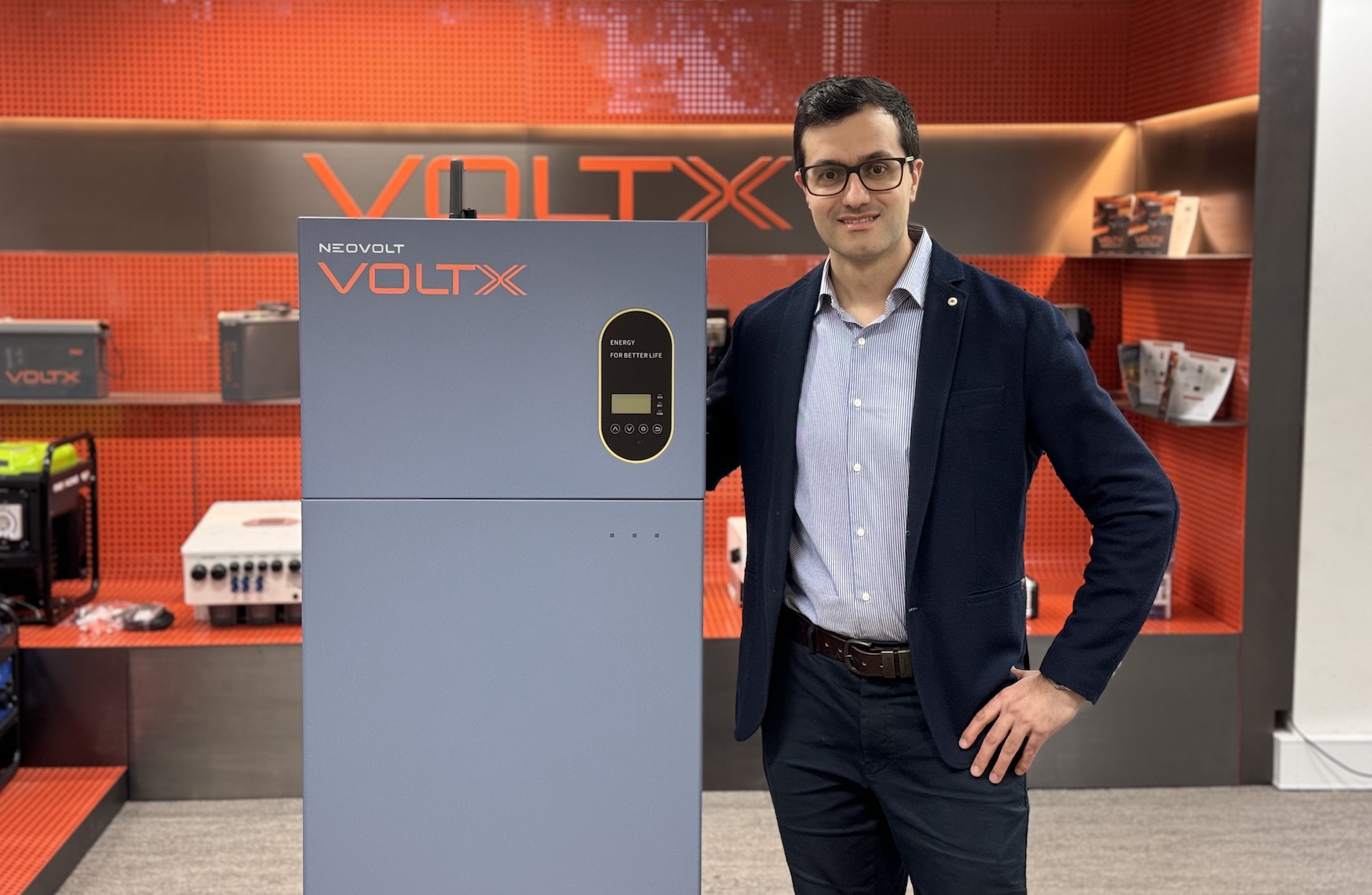
VoltX Energy chief operating officer David Sedighi says the company’s internal data suggests homeowners over 60 are less likely to install a home battery, with upfront costs and concerns about how long it will take to recover the investment among the reasons.
Rick understands those concerns because he had them himself.
His advice to other older homeowners considering a battery is simple: don’t assume it will save you money. Work it out first.
“My solar panels paid themselves off in about two years,” he said. “It’s well worth it, but you’ve got to make sure you get a good deal — and the rebates. I advise others to do their sums. You want it paid off within five to six years.”
For Rick, though, there’s another return that isn’t quite as easy to put on a spreadsheet. He wanted to head into the years ahead with one less large household expense hanging over him.
“It means you’ve got the peace of mind that you won’t get a bill every month, and your pension is basically yours to spend,” he said.
“Of course, you’ve got rates and other bills, but not the kind of huge bills that other people have that mean they can’t eat properly.”
And if the savings leave a little more money for enjoying life, Rick already knows where he’d like some of it to go.
“I’m looking forward to seeing more of Australia.”





 Proudly Australian owned and operated
Comments 0
Join the conversation. Comments are reviewed before they appear.
Be the first to comment.
Join the conversation
Tell us who you are to post a comment. We'll remember you next time.