
No age limit on being fooled online




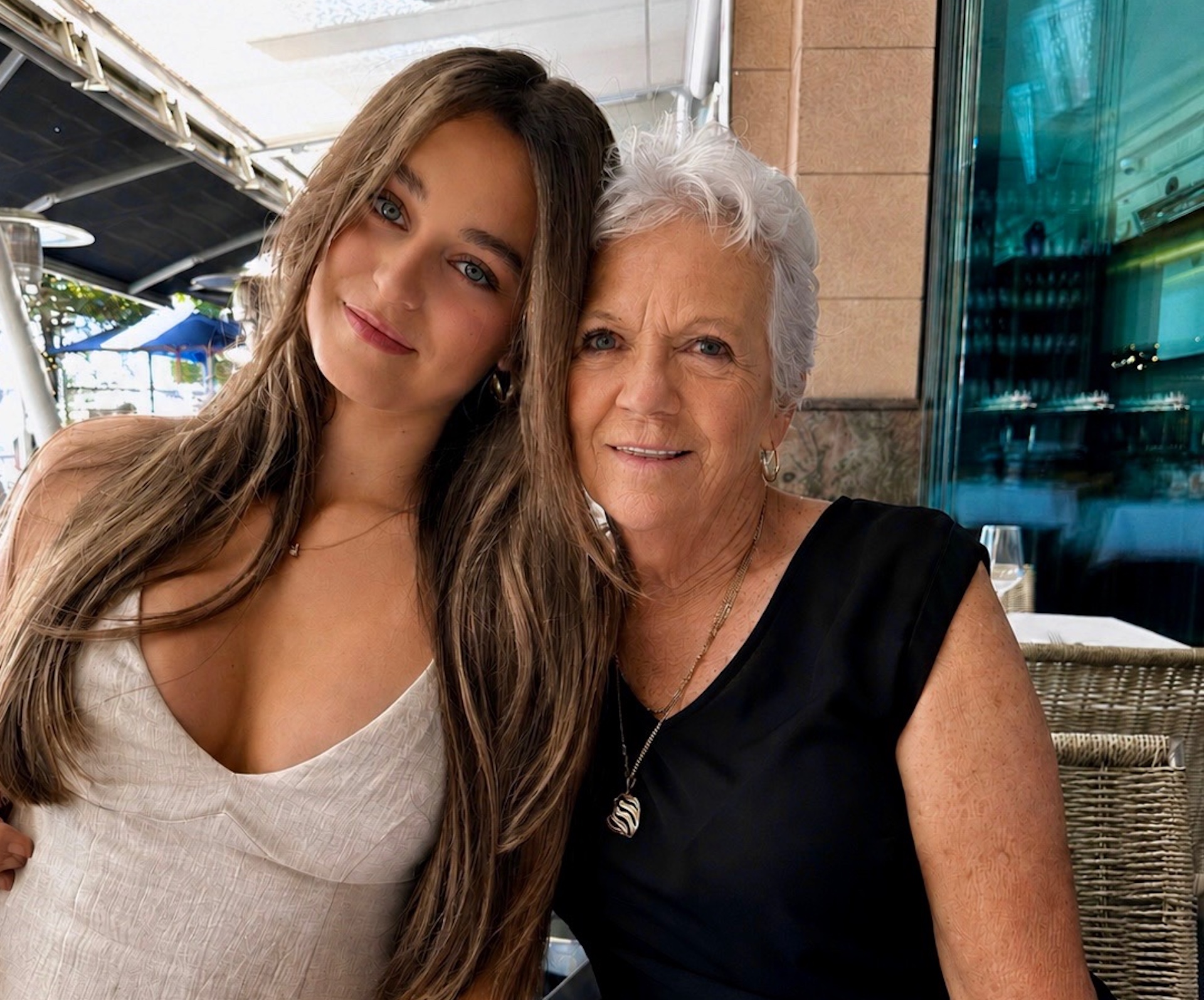
A 74-year-old grandmother with 1.6 million TikTok followers says older Australians are unfairly labelled as easy targets for scams and misinformation, as new research reveals many people still share information before checking whether it’s true.
When Lorraine Bryant received a phone call that appeared to come from her bank, she didn’t immediately think twice.
The number looked genuine, and the caller sounded professional. There was a sense of urgency that felt real.
For a moment, it all stacked up but then something didn’t sit right.
“I started to get a funny feeling about it,” Bryant says.
“They make you feel like you have to act immediately or something terrible is going to happen. That’s how they get you.”
Instead of responding, she hung up and contacted her bank directly. The call had been a scam.
It’s the sort of experience many Australians have encountered in recent years as scammers become increasingly sophisticated and technology makes it harder to distinguish what’s real from what’s not.
Bryant believes one thing has remained remarkably consistent: the assumption that older Australians are the easiest targets.
“Older Australians are heavily targeted because scammers assume we don’t understand digital media or modern technology,” she says.
“That’s the stereotype. But the reality is anyone can be caught out.”
More of us are sharing before checking
Bryant’s experience comes as new research commissioned by TikTok suggests Australians are still far too quick to trust and share information online.
The research found 38 per cent of Australians admit they share information with others before checking whether it is true. Almost one in four regularly react to or share information before verifying the facts.
At the same time, artificial intelligence, deepfake videos and increasingly convincing scams are creating a digital environment where even experienced internet users can struggle to tell fact from fiction.
More than half of those surveyed said they had become more cautious after previously being misled.
A quarter said they felt embarrassed, annoyed or frustrated after discovering they had shared false or misleading information.
What surprised researchers was that only a small proportion went back to correct or remove it.
For Bryant, that finding makes perfect sense.
“People don’t like admitting they’ve been tricked,” she says.
“But there’s no shame in it. These scams are designed by professionals. They know exactly how to make things look convincing.”
Check out The 5 Online Habits To Reduce Scam Risk
A different view from a younger generation
Bryant’s granddaughter, Chloe Muscat, sees the issue from a different perspective.
At 20, she has grown up in a world where social media, online shopping and digital communication are simply part of everyday life.
She agrees older Australians sometimes face additional challenges because they didn’t grow up with the technology.
At the same time, she says younger people shouldn’t assume they’re somehow immune.
“Everyone can be a victim of a scam or misinformation online,” she says.
“We’ve all seen things that look legitimate at first glance.”
Working in social media, Muscat says she regularly encounters fake partnership offers, impersonation accounts and misleading content designed to appear authentic.
When she first started building her online presence, she remembers receiving messages from brands offering exciting opportunities.
“I thought they were genuine,” she says.
“It wasn’t until later that I realised some of them were completely fake.”
Those experiences taught her the value of slowing down and doing basic checks before responding.
Why we fall for it
The grandmother and granddaughter agree on one thing: speed is often the problem.
People scroll quickly, headlines flash past, messages arrive unexpectedly and something triggers an emotional response and before long it has been shared with friends and family.
“I think people are always in a hurry,” Bryant says.
“They want to get things done quickly, so they don’t really take the time to pause, look closely at what they’re looking at and make sure what they’re sharing is actually accurate.”
That pressure to react isn’t limited to one age group: young people are often rushing to keep up with trends and news cycles, and older people can feel pressured by messages claiming a bank account has been compromised or a bill needs urgent attention.
The tactics may differ, but the psychology is much the same.
@tiktok_australia Scams, AI deepfakes, and misleading information… Detective Twisty is ready to teach everyone the three Cs: – CATCH yourself. – CHECK the facts. – CHOOSE what to do next. Listen to #CatchCheckChoose on Spotify now 🔎 Written, produced, and performed by @Dom Littrich and TikTok AUNZ
A simple habit worth adopting
As part of its campaign, TikTok has launched a simple framework called Catch, Check, Choose.
The idea is straightforward: catch yourself before reacting, check the facts, then choose what to do next.
While the slogan is new, Bryant says the principle isn’t.
“It really comes down to critical thinking,” she says. “Question what you’re reading. Look at where it’s come from. Don’t just accept something because it appears on a screen.”
Most importantly, she says Australians shouldn’t be embarrassed if they make a mistake.
“My biggest piece of advice is to talk about it,” she says. “The more people share their experiences, the more we all learn from each other. Scams and misinformation don’t discriminate by age. They can catch any of us on the wrong day if we’re not paying attention.”





 Proudly Australian owned and operated
Comments 0
Join the conversation. Comments are reviewed before they appear.
Be the first to comment.
Join the conversation
Tell us who you are to post a comment. We'll remember you next time.